

Blog
Cosmetology articles
Facial cleansing, peels, biorevitalization, fillers and laser hair removal: how treatments work and how to care for your skin. By Viva Clinic cosmetologists.
Ingrown hairs after shaving: why they happen and how to get rid of them
A hair becomes ingrown when, after shaving or hair removal, it curls back into the skin or grows underneath it without breaking through. This happens most often with curly and coarse hair in the beard area, on the bikini line, in the armpits and on the legs. Shaving in the direction of hair growth with a sharp blade makes it less likely, and if ingrown hairs keep coming back, Viva Clinic in Slavuta can suggest cleansing, peels or laser hair removal.
Men's cosmetology: what men see a cosmetologist for
Men's skin is usually thicker and oilier than women's, and daily shaving adds irritation and ingrown hairs. Men most often see a cosmetologist for facial and back cleansing, chemical peels, facial or scalp mesotherapy, botulinum toxin injections for expression lines or sweating, and papilloma removal. At Viva Clinic in Slavuta, treatments are chosen after a skin assessment, and injections are done only by cosmetic doctors after a consultation.

PRP therapy (plasma lifting): what it is and how it works
PRP therapy, also called plasma lifting, means injecting plasma rich in platelets that's made from your own blood. Platelets release substances that start tissue repair and collagen production, so Viva Clinic in Slavuta uses plasma lifting to treat scars, including acne and burn scars. The procedure is done by a cosmetic doctor after a consultation, usually as a course of several sessions.
Is laser hair removal safe and who should avoid it
Laser hair removal acts on the hair follicles in the skin, and the laser light doesn't reach the internal organs. Burns and dark spots can happen if the settings are wrong, the skin is tanned or the doctor didn't know about a contraindication. That's why, before the course, a cosmetic doctor examines your skin and hair, asks about illnesses and medication and sets the laser parameters.

Acne scars and dark marks: how to treat them
Post-acne is the general name for what acne leaves behind: marks where the inflammation was and scars, which are dents in the skin. Marks usually fade over time, and peels and daily SPF help with that, while scars don't go away on their own. At Viva Clinic in Slavuta, acne scars are made less noticeable with plasma lifting once breakouts are under control.

Lip fillers: what not to do after the procedure
For the first few days after lip fillers, don't press or massage your lips unless your doctor tells you to, skip the sauna, exercise and alcohol, put off flights, and postpone dental appointments for 3 to 4 weeks. Swelling and small bruises are normal during this time. If the skin of your lips turns white or blue, or the pain gets worse, contact the doctor who did the procedure immediately.
Skin care before a wedding: which treatments to have and when
Skin is prepared for a wedding or photo shoot step by step. A few weeks before the event, see a cosmetologist and, if needed, have a course of facial cleansing or peels, then have an SOS treatment such as an alginate mask or oxygen mesotherapy 1–3 days before. In the last few days, don't try new treatments or products, and agree on the timing of any injections with a cosmetic doctor.
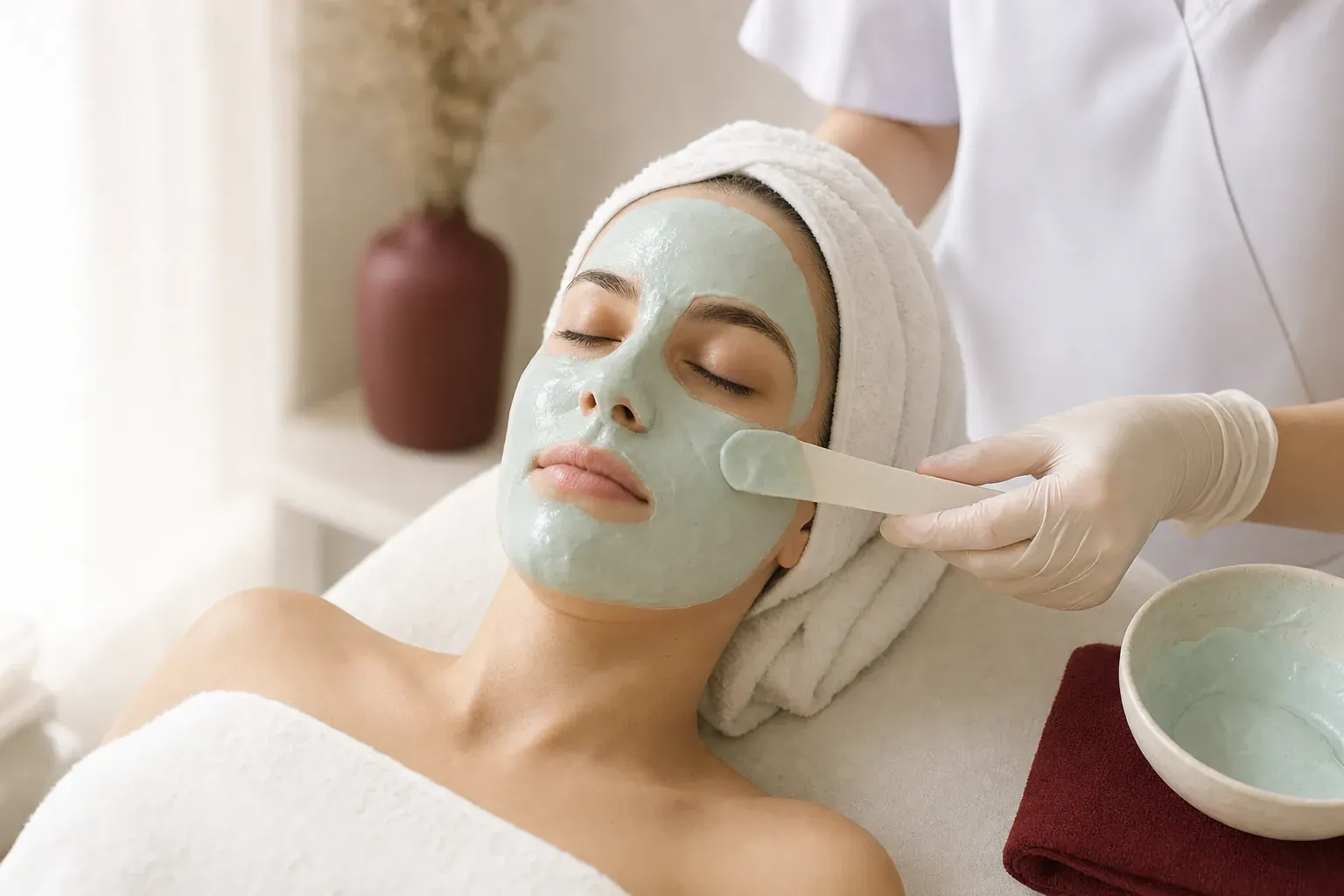
Alginate mask: what it is and who it suits
An alginate mask is made from a powder based on salts of alginic acid, which comes from brown seaweed. The powder is mixed with water and spread over the face, and within a few minutes it sets into a flexible film that's peeled off in one piece. The mask hydrates the skin and briefly makes the face look fresher, so at Viva Clinic in Slavuta it's also offered as an SOS treatment before a celebration or an important event.
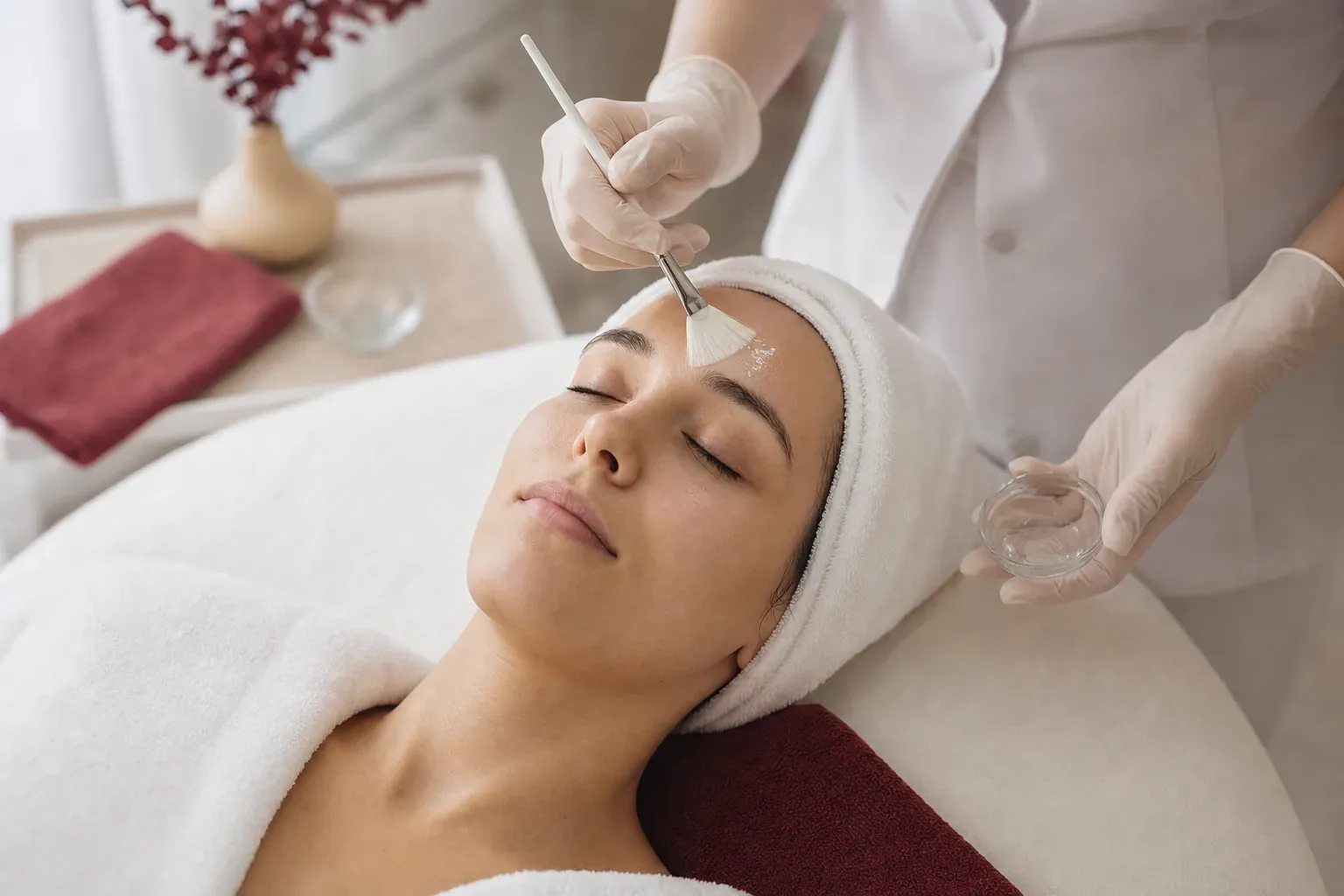
Facial peels: what they are and how often you can get one
A facial peel removes the top layer of dead skin cells, most often with acid solutions. Superficial peels are usually done as a course of several sessions, and medium-depth peels less often, because the skin takes longer to recover after them. A cosmetic doctor decides how many sessions you need and how far apart after examining your skin.

Back facial: when it helps with breakouts and when you need a dermatologist
A back and chest cleansing helps when the skin has blackheads, clogged pores and the occasional inflamed spot. If there are many breakouts, or they're painful, deep, leave scars or appeared after you started a new medication, see a dermatologist first; cleansing then only complements the treatment. At Viva Clinic in Slavuta, back cleansing is done with special peeling products, for both women and men.

Ultrasonic cavitation: how it works, who it suits and contraindications
In ultrasonic cavitation, low-frequency ultrasound acts on areas with local fat deposits, such as the abdomen, sides or thighs. It won't help you lose weight: the treatment doesn't affect your weight, and changes in volume differ from person to person. At Viva Clinic in Slavuta, cavitation is done after an examination, and among other contraindications it isn't done during pregnancy or for people with a pacemaker, liver or kidney disease, or cancer.

Cellulite: can you get rid of it, and what actually helps
Cellulite usually can't be removed completely, because it's a feature of how fat tissue and skin are structured, and most women have it, including slim women. Regular exercise and a stable weight help make it less visible, and body treatments such as vacuum thermal massage improve how the skin looks for a while. At Viva Clinic in Slavuta, these treatments are chosen after an examination and a check for contraindications.
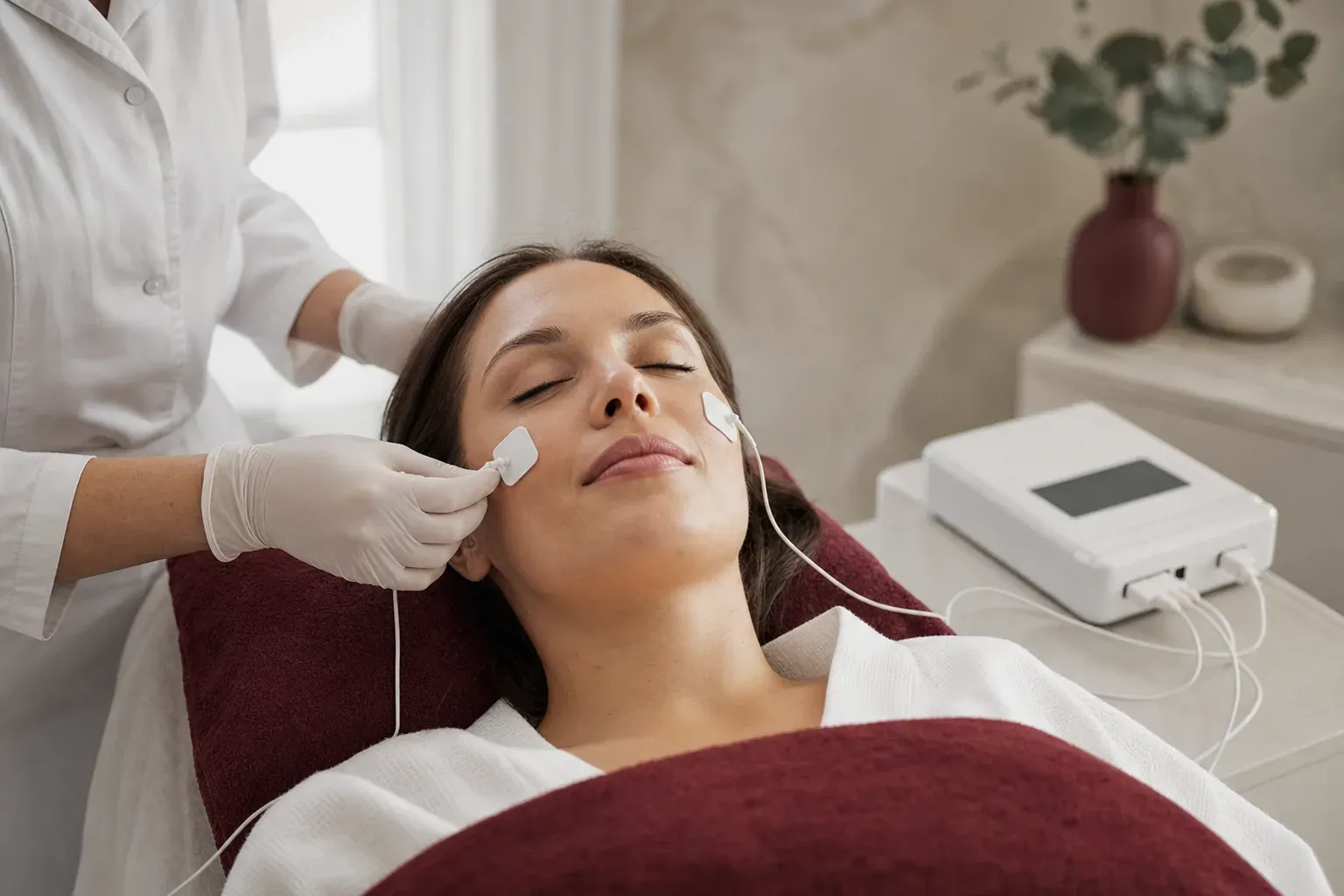
Facial muscle stimulation: how it works and what to expect
Facial muscle stimulation, or myostimulation, is a device-based treatment in which weak pulses of electric current make the facial muscles contract. It's done to help maintain muscle and skin tone and is usually taken as a course. At Viva Clinic in Slavuta, muscle stimulation is done by cosmetologists after a skin assessment and a check for contraindications.
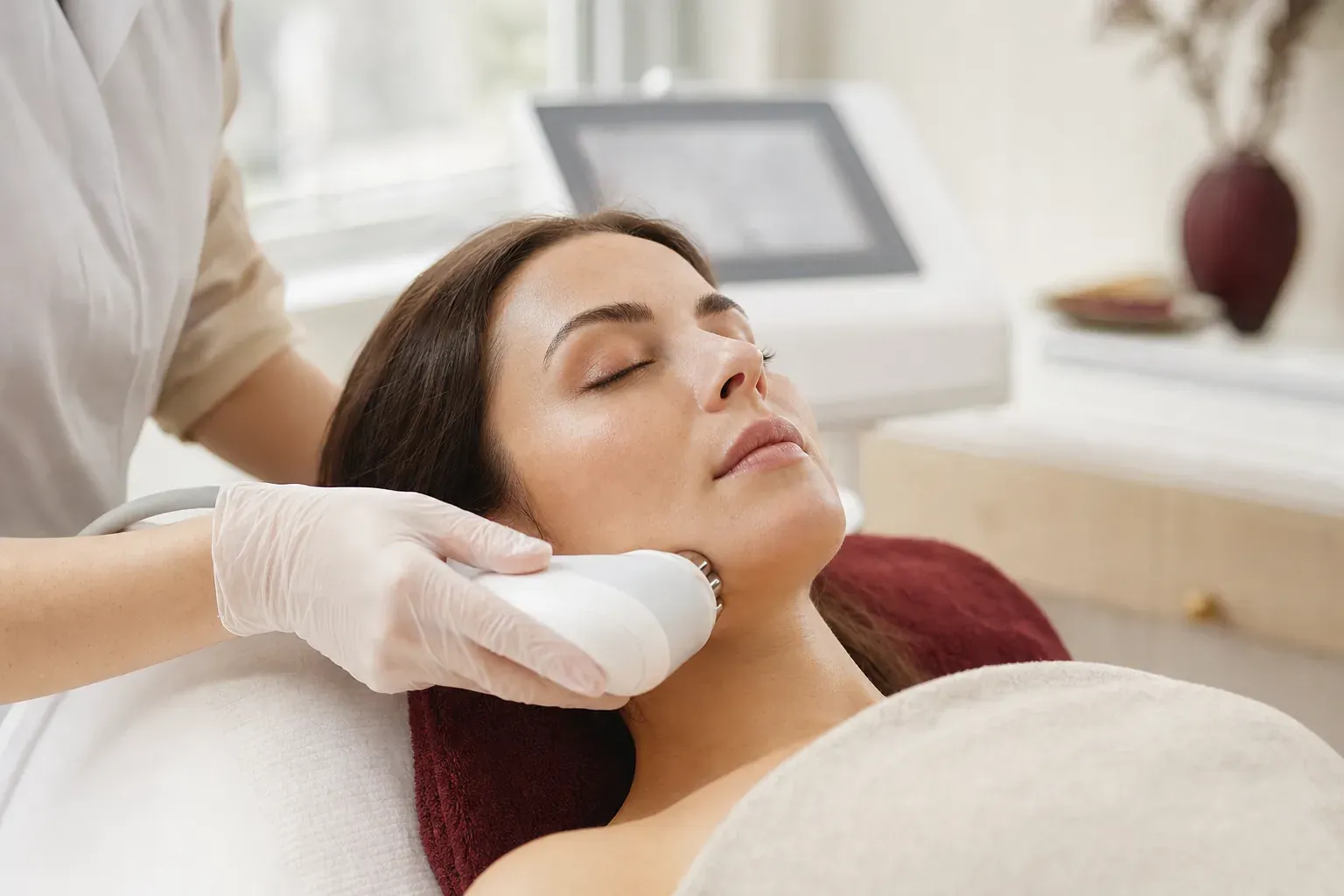
RF skin tightening for the face: how radiofrequency lifting works and who it suits
RF lifting, or radiofrequency skin tightening, is a device-based treatment in which radiofrequency energy heats the deeper layers of the skin, and the heat stimulates collagen production. It's chosen when the skin on the face, neck or body has lost some firmness, and it's usually done as a course. At Viva Clinic in Slavuta, RF lifting is done by cosmetologists, and whether it suits you is decided after a skin assessment.

Facial care at a cosmetologist: where to start and how often to go
Facial care at a cosmetologist's starts with a skin check: the specialist assesses your skin type and condition, asks about allergies and medication and suggests a treatment plan. How often you come depends on your skin and the treatment; manual cleansing, for example, is usually done no more than once a month. If you have inflamed breakouts or a mole has changed, see a dermatologist first.
Cosmetic facial massage: what it does and how often to have it
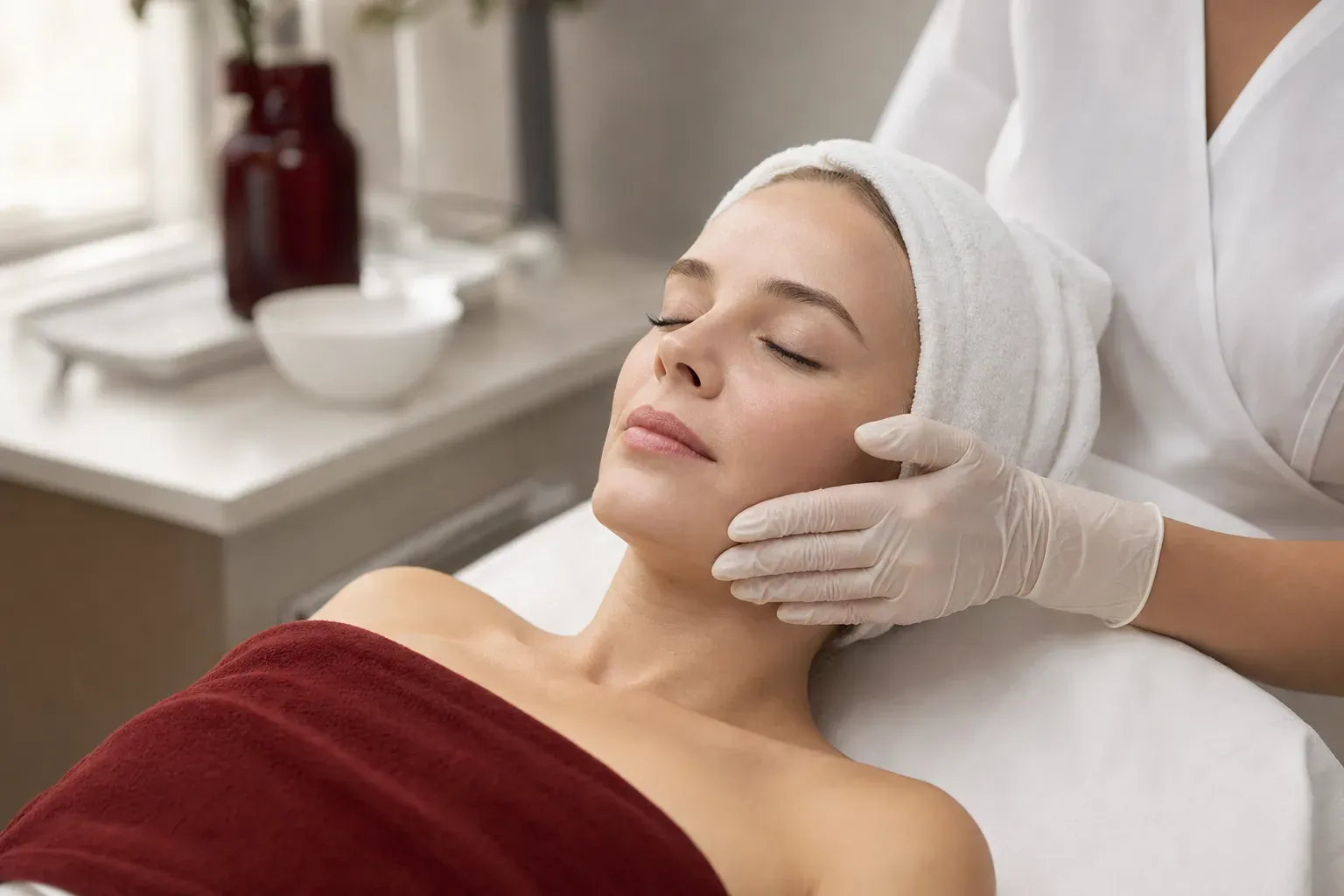
A facial massage at a cosmetologist's boosts blood flow and tones the facial muscles, so your face looks fresher and more rested afterward, and the treatment itself is very relaxing. Massage doesn't remove deep wrinkles and doesn't replace injectable treatments. At Viva Clinic in Slavuta, facial massage is part of classic cosmetology, and your cosmetologist will advise how often to have it after examining your skin.

Bikini laser hair removal: how to prepare and how many sessions you need
Bikini laser hair removal, classic or deep, is done as a course: usually up to 10 sessions over 6–12 months, 3 weeks to 2 months apart. For 2 weeks before a session, avoid tanning and don't remove hair with wax or sugaring, and shave the area on the day of the procedure. A cosmetic doctor will tell you at the consultation how many sessions you need.
Dark spots on the face: when a peel can help
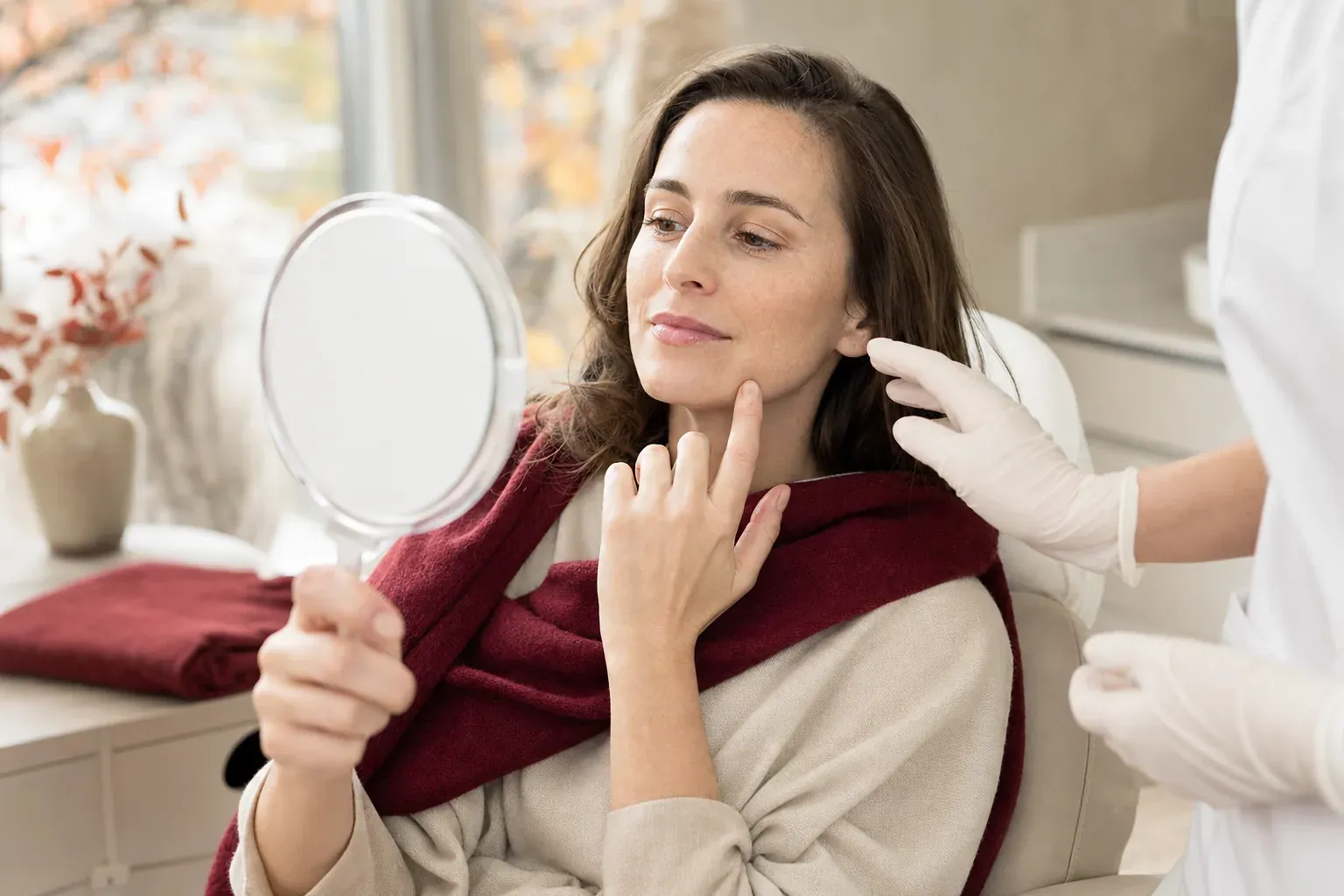
A chemical peel can lighten dark spots on the face: marks left after breakouts, solar lentigines and freckles. Spots fade gradually over a course of treatments and darken again without daily SPF, and melasma tends to come back even after successful treatment. Show any new spot that is growing or changing color or shape to a dermatologist first.

Ultrasonic facial cleansing: how it works and who it suits
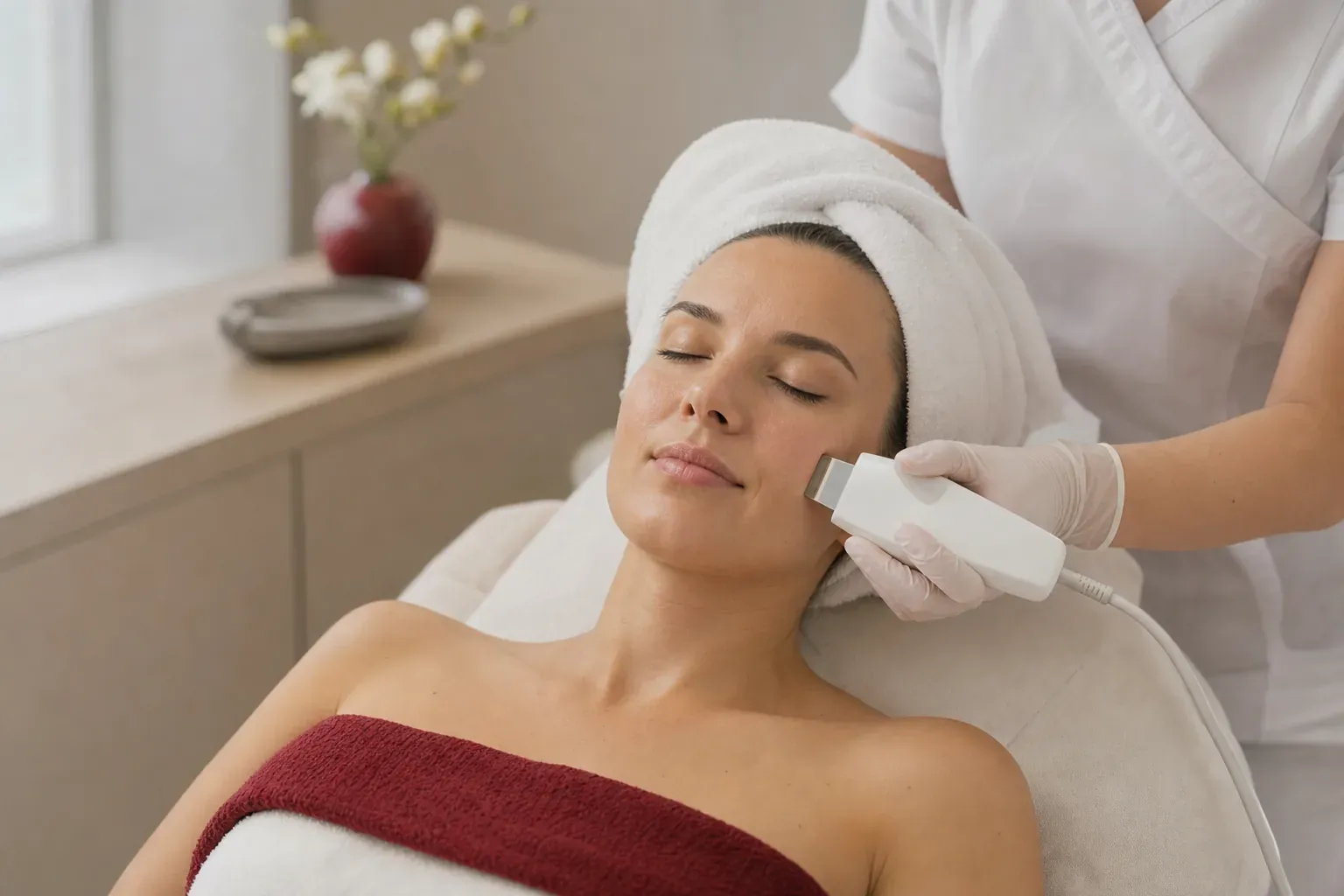
Ultrasonic facial cleansing gently removes dead skin cells, excess sebum and light pore congestion using a device with a vibrating metal blade. It's recommended for thin, sensitive and dry skin, and it usually leaves no noticeable redness, so it can be done at any time of year. Your cosmetologist decides how often to repeat it after examining your skin.

Facial mesotherapy: how the course works and what to expect
In facial mesotherapy, a cosmetic doctor injects a cocktail into the skin with micro-injections, choosing the formula for your concern: dull or dehydrated skin, pigmentation or oily skin. It's usually a course of several sessions, and the doctor decides how many and how far apart after an examination. If you'd rather avoid needles, Viva Clinic in Slavuta also offers oxygen and needle-free mesotherapy.
Scalp mesotherapy: when it makes sense and how it works
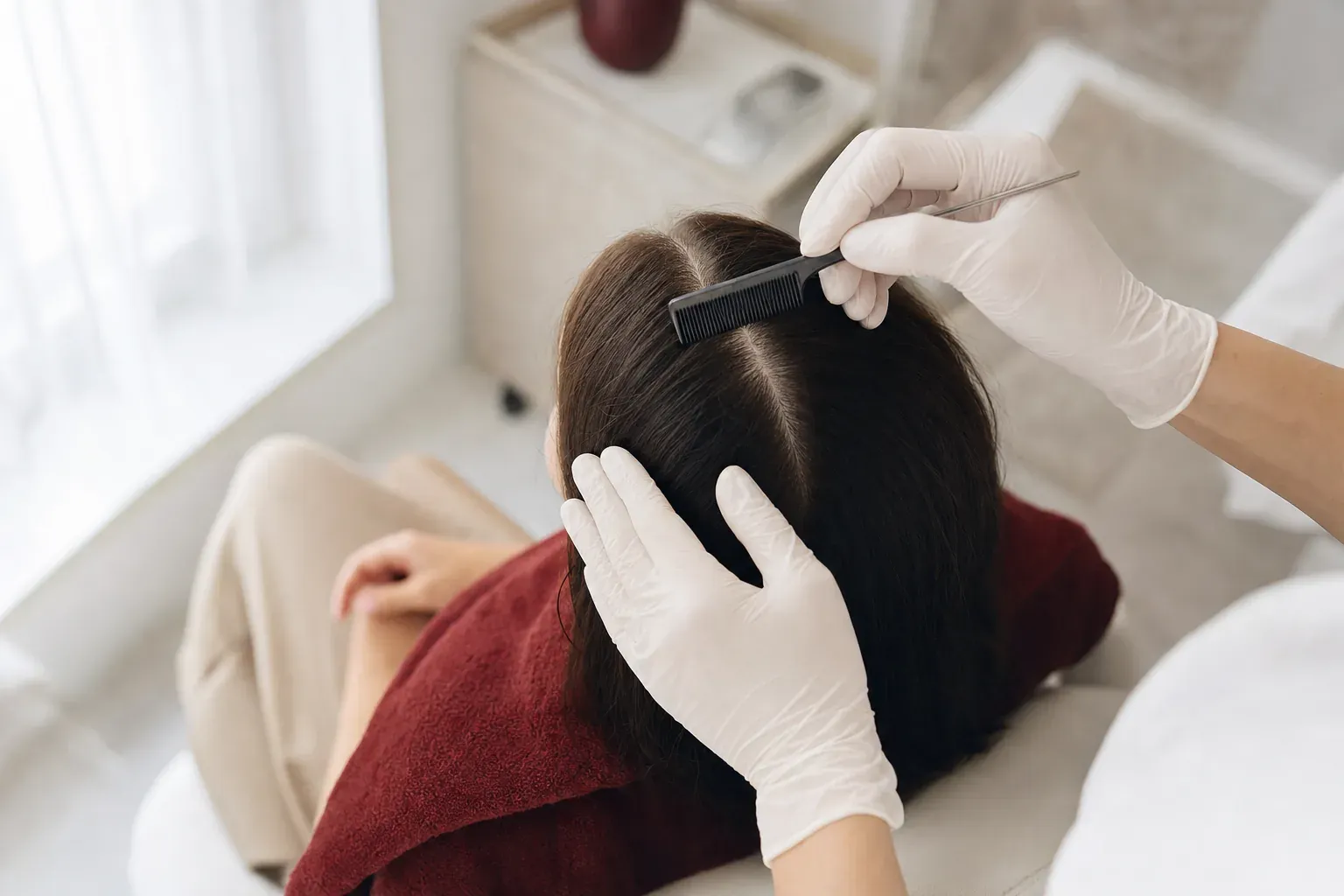
Scalp mesotherapy is recommended when hair is gradually thinning or getting weaker and a doctor has already found the cause. If your hair falls out suddenly, in clumps or patches, or your scalp itches or flakes, you need a dermatologist and possibly tests first. At Viva Clinic in Slavuta, scalp mesotherapy is done by a cosmetic doctor after a consultation.
PRX-T33: what this treatment is and who it suits
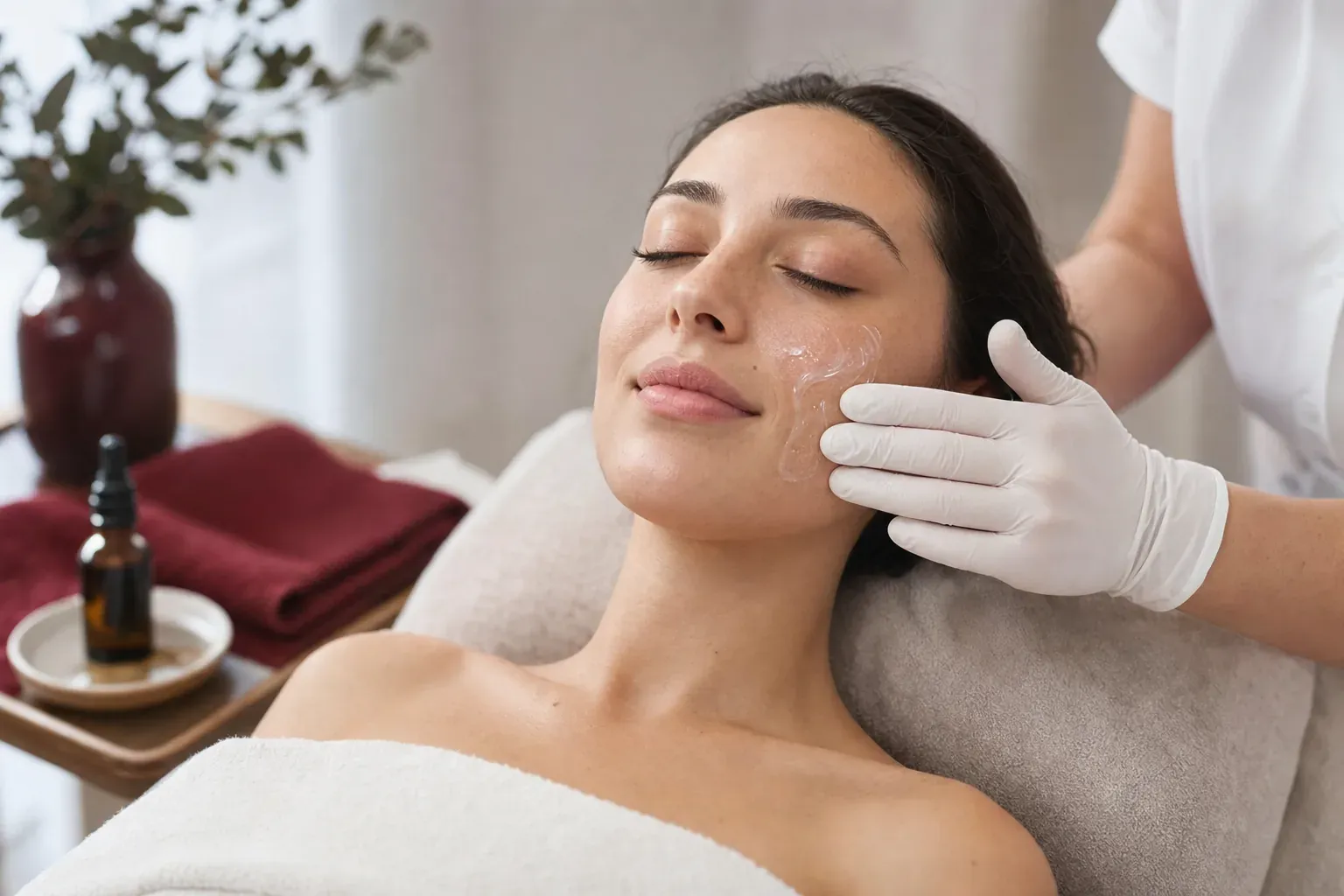
PRX-T33 is known as needle-free biorevitalization: a product with 33% trichloroacetic acid, hydrogen peroxide and kojic acid is applied to the skin and rubbed in, and nothing is injected. Technically it's a peel, but it usually doesn't cause noticeable peeling. At Viva Clinic in Slavuta, PRX-T33 is done after an examination by a cosmetic doctor.

Biorevitalization vs mesotherapy: what's the difference and which to choose
Biorevitalization hydrates the skin: the doctor injects a hyaluronic acid product into it. For mesotherapy, the doctor chooses a cocktail of vitamins, amino acids, hyaluronic acid and other substances for a specific concern, and it's also done on the scalp. A cosmetic doctor decides which of the two you need after an examination.

Nasolabial folds: why they appear and how to get rid of them
Everyone has nasolabial folds, and they get deeper with age, volume loss in the middle of the face, facial expressions, sun exposure and sudden weight loss. Creams and home care support the skin, but they don't fill a fold that has already formed. A cosmetic doctor may suggest fillers, biorevitalization or device-based treatments and decides what suits you after an examination.
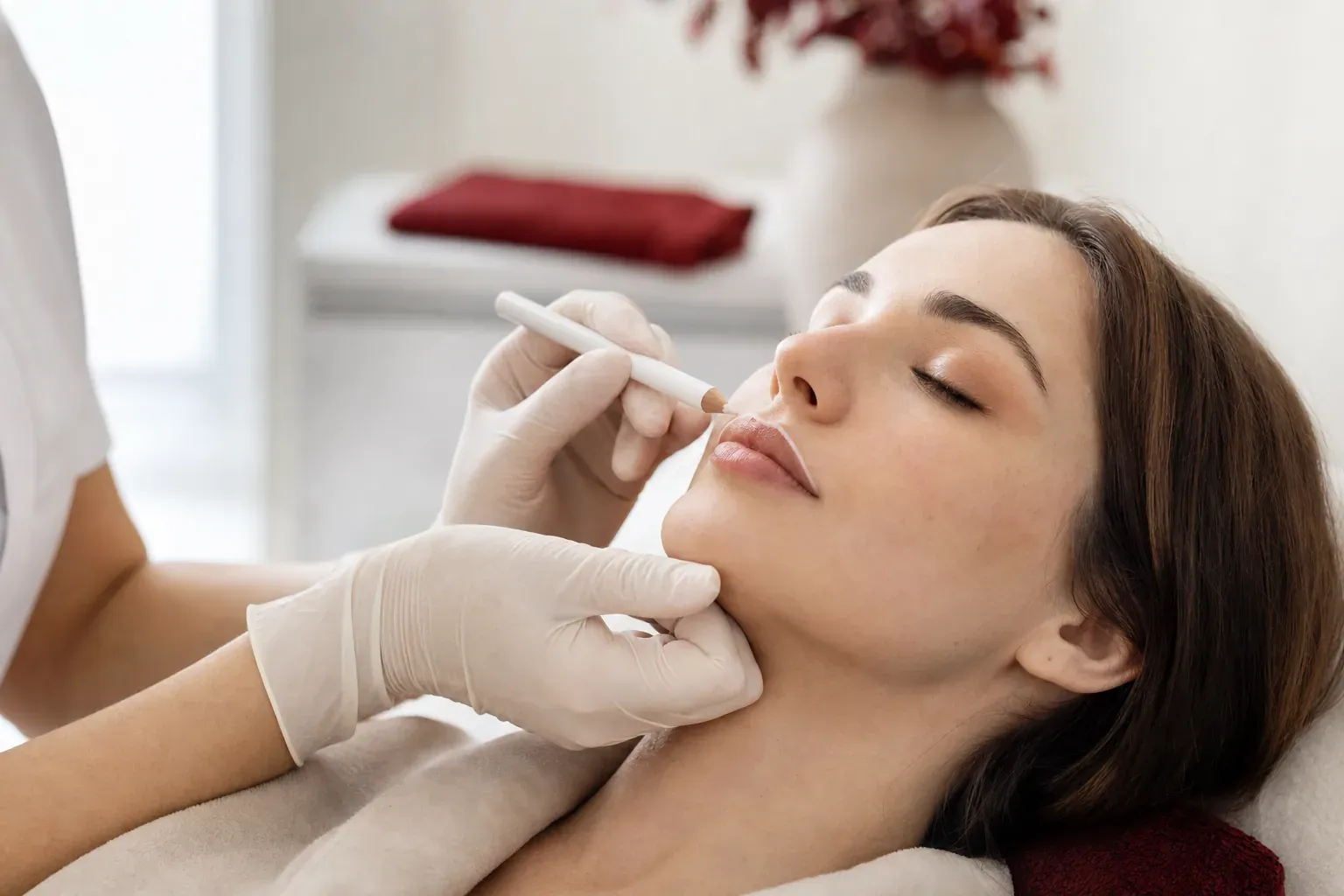
Lip augmentation with filler: how lip fillers are done
At Viva Clinic in Slavuta, lips are enhanced with a hyaluronic acid filler: after a consultation, a cosmetic doctor numbs the skin with an anesthetic and injects the gel with a fine needle, and the session takes 30–50 minutes. Your lips stay swollen for a few days, so the final shape is judged once the swelling goes down. According to the clinic, the effect lasts from 6 months to 2 years, depending on the product and your body.

Hyperhidrosis: why excessive sweating happens and how Botox can help
Hyperhidrosis means excessive sweating: your underarms, palms, feet or forehead get wet even when it's cool and you're at rest, and it gets in the way of daily life and work. If the sweating started suddenly, happens at night or comes with weight loss or a fever, see an internist or a family doctor first. If no other illness is found and antiperspirants don't help, a cosmetic doctor at Viva Clinic in Slavuta can reduce sweating with botulinum toxin injections.

Botox or fillers: what's the difference and which to choose
Botox and fillers correct different things. Botulinum toxin relaxes muscles and smooths expression lines on the forehead, between the brows and around the eyes, while a hyaluronic acid filler fills deep folds and adds volume to the lips, cheekbones or chin. Whether you need one of them, both or neither is something a cosmetic doctor at Viva Clinic in Slavuta decides after examining your face.

Expression lines: why they form on the forehead and between the brows and what to do
Expression lines form where the skin folds for years over the muscles we use to frown, raise our brows and smile: on the forehead, between the brows and around the eyes. At first, you only see them when you move your face, but with age and sun exposure, they stay visible at rest. Daily SPF slows this down, and botulinum toxin injections smooth existing expression lines; whether they suit you is something a cosmetic doctor decides after an examination.
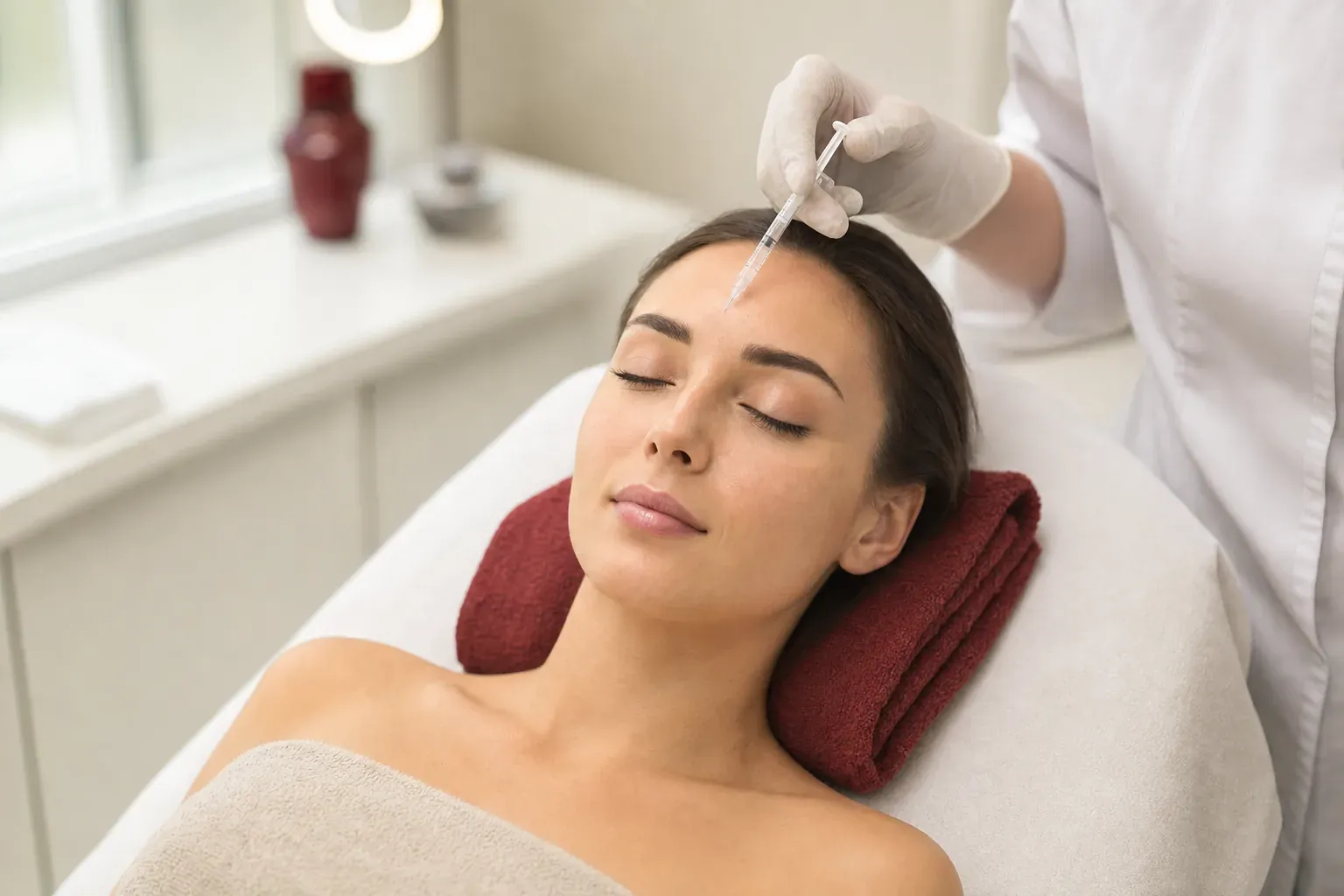
Botox: what it is, how long it lasts and who shouldn't have it
Botox is the everyday name for botulinum toxin injections: a doctor injects small doses of botulinum toxin type A into the facial muscles, the muscles relax, and lines on the forehead, between the brows and around the eyes smooth out. The first changes usually show after 2–3 days, the full effect after about 2 weeks, and it typically lasts 3–4 months. At Viva Clinic in Slavuta, the injections are done by a cosmetic doctor and only after a consultation that includes a contraindication check.
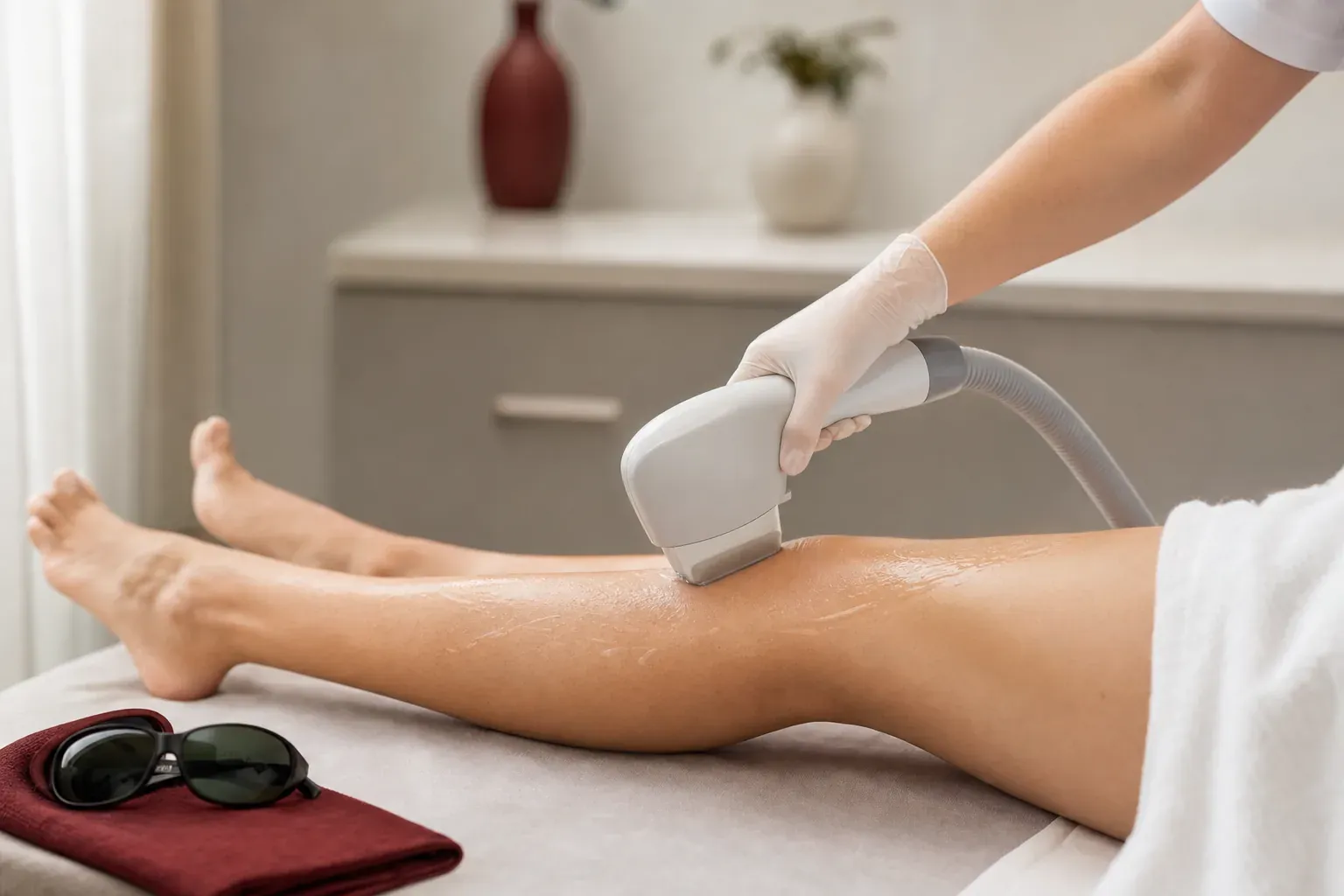
How laser hair removal works and how many sessions you need
Laser light is absorbed by the pigment in the hair, turns into heat and destroys the hair follicle, but only one in which the hair is actively growing at that moment. That's why one session isn't enough and hair removal is done as a course. How many sessions you need depends on your hair color and structure, which a cosmetic doctor assesses at the consultation.
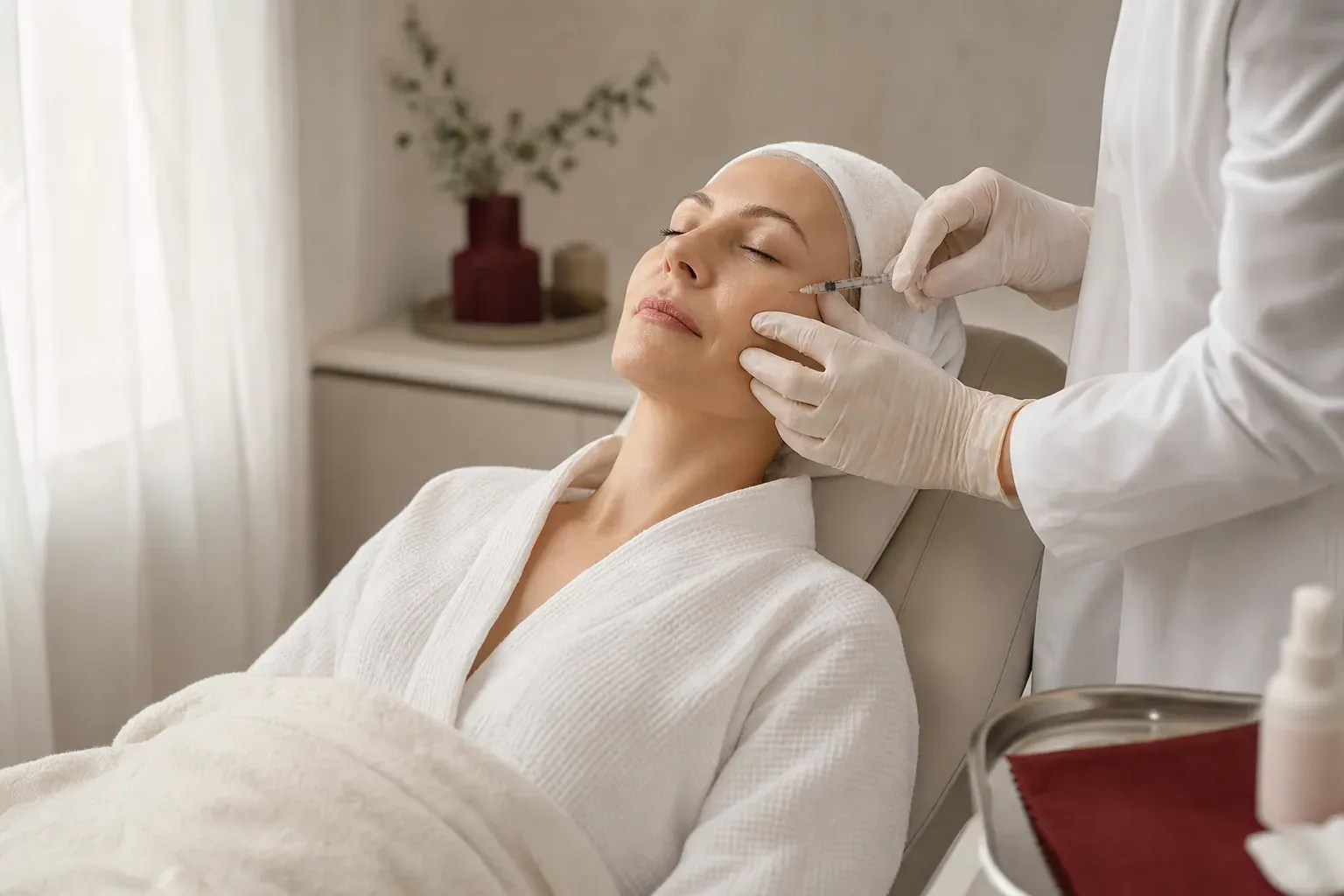
Biorevitalization: what it is and how many sessions you need
Biorevitalization means injecting hyaluronic acid into the skin to hydrate it from within. It's usually a course of several sessions, and a cosmetic doctor works out how many you need after examining your skin. At Viva Clinic in Slavuta, biorevitalization is done by a cosmetic doctor and only after a consultation.
Which facial cleansing is best for your skin
The best facial cleansing depends on your skin: manual cleansing is usually recommended for oily skin with clogged pores and blackheads, and gentler ultrasonic or non-traumatic cleansing for sensitive, thin skin. Hydropeeling also suits dehydrated skin. Viva Clinic in Slavuta offers all four types, and your cosmetologist decides which one suits you after examining your skin.
Message or call us
Our administrators will help you choose a doctor and a convenient time.