Cosmetic facial massage: what it does and how often to have it
A facial massage at a cosmetologist's boosts blood flow and tones the facial muscles, so your face looks fresher and more rested afterward, and the treatment itself is very relaxing. Massage doesn't remove deep wrinkles and doesn't replace injectable treatments. At Viva Clinic in Slavuta, facial massage is part of classic cosmetology, and your cosmetologist will advise how often to have it after examining your skin.

Published Updated 5 min read
What a facial massage at a cosmetologist’s does
Massage boosts blood flow and tones the facial muscles. Afterward your skin turns pink and looks fresher, and your face looks rested. Many people also come for a massage to relax: calm, rhythmic movements ease the feeling of tension in the face.
Massage is recommended when your skin looks tired and dull from stress or lack of sleep, or has lost its tone. The fresh look after a single massage doesn’t last long, so it’s usually done as a course or regularly, as part of your skincare routine.
At Viva Clinic, facial massage is part of classic cosmetology, along with cleansing, peels and masks. You can have it as a separate treatment or add it to other care. If you’re interested in methods where a device acts on the skin, such as RF lifting or muscle stimulation, they’re part of device-based cosmetology.
What not to expect from a facial massage
Expression lines, nasolabial folds or lost volume need other methods, such as botulinum toxin or fillers. Only a cosmetic doctor gives these injections, after a consultation, and massage can be combined with them if the doctor agrees on the timing. Massage can’t noticeably change the shape of your face either. How your skin responds to a course of massage depends on its condition and your age, so results vary from person to person.
Massage also doesn’t treat acne or lighten dark spots. These are addressed with cleansing and peels, and acne also with treatment prescribed by a dermatologist. If your main concern is the condition of your skin, mention it at the skin check, and the cosmetologist will advise which treatment you need first.
If your face often swells for no obvious reason, see a general practitioner or family doctor first. Facial swelling can be a sign of kidney or thyroid problems, and massage doesn’t treat it.
How a cosmetic facial massage works
Your first visit starts with a skin check. The cosmetologist assesses your skin type and condition and asks about allergies to cosmetics and any medication you take. Also mention if you are pregnant or breastfeeding.
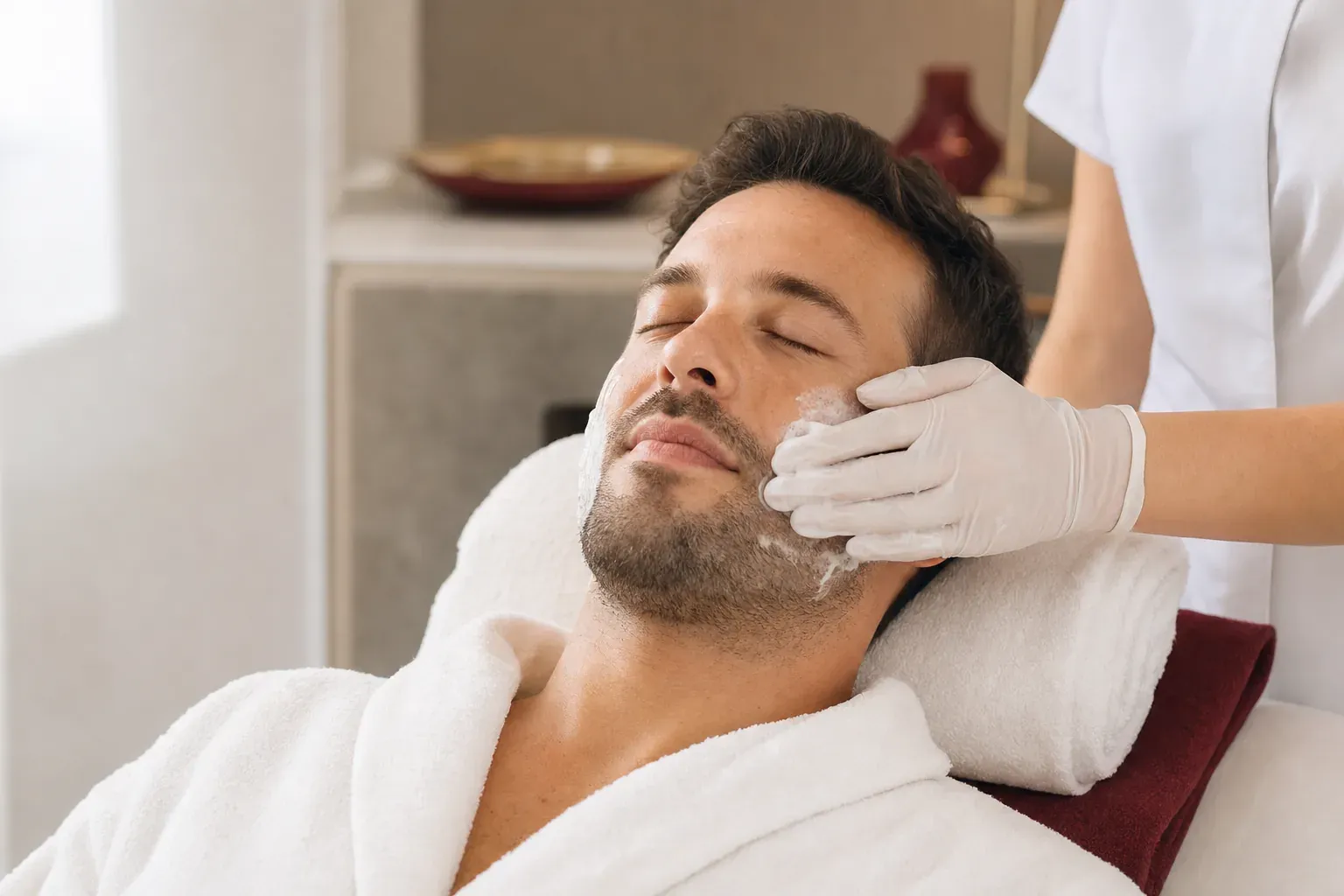
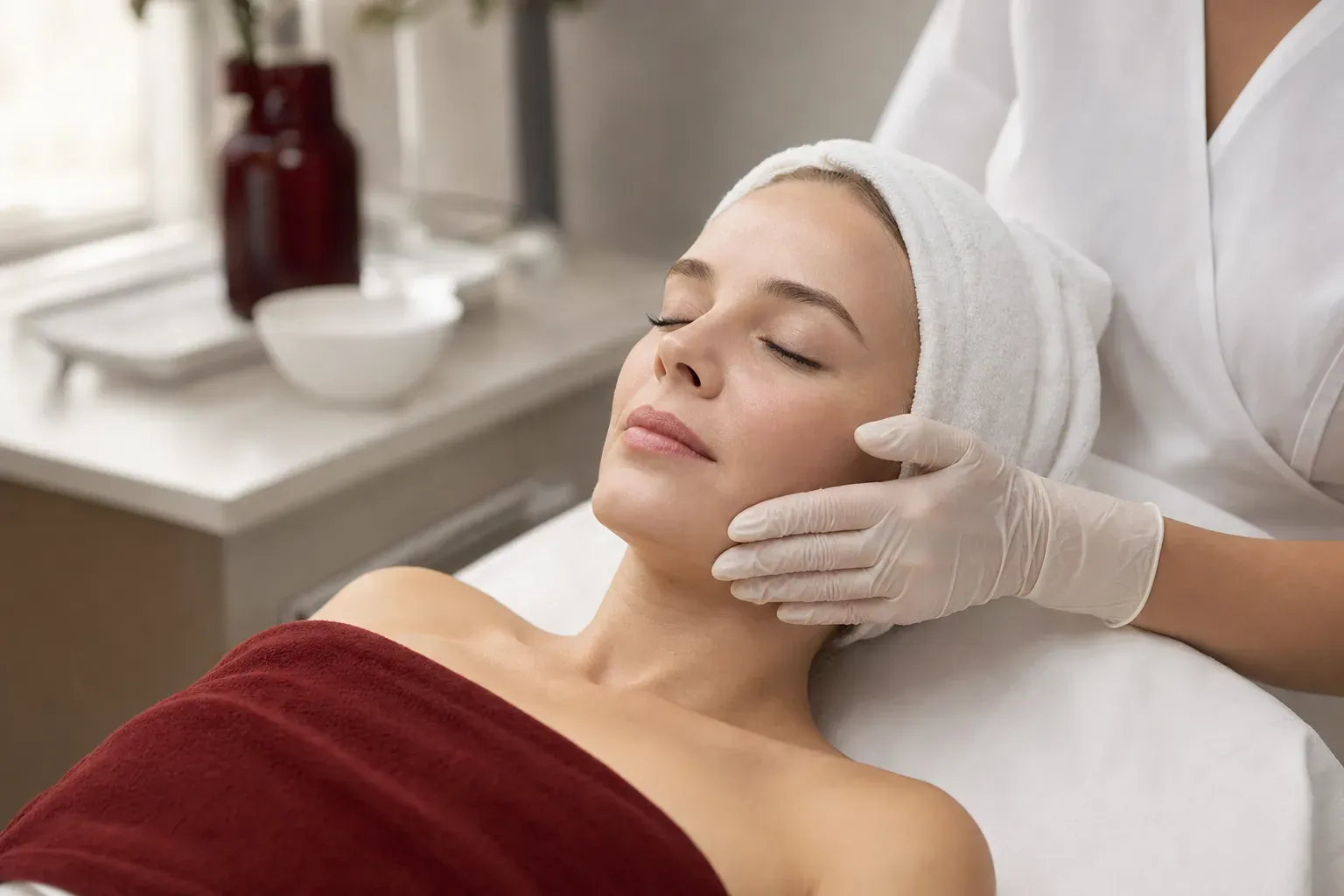
You lie down on a treatment couch, and your hair is tucked under a headband or towel to keep the product off it. The cosmetologist removes your makeup, cleanses your skin and applies a massage cream or oil so the hands glide without stretching the skin. The massage is done by hand, mostly along the massage lines: from the center of the face outward and from the bottom up. Stroking alternates with rubbing, kneading and light tapping, and the specialist adjusts the pace and pressure to your skin.
At the end, the remaining product is removed, and if needed, a mask or care product for your skin type is applied. If a movement feels unpleasant or the pressure seems too strong, say so right away. Mild redness after a massage is normal and goes away on its own.
How often to have a facial massage
The schedule depends on your skin and what you expect from the massage. It’s usually done as a course of several sessions and then repeated from time to time. Your cosmetologist will tell you how often to come and how many sessions you need after examining your skin, based on its condition and how it responds. When massage is combined with cleansing or peels, the schedule is planned for all treatments together. Our article about professional skin care explains how to plan your care for several months ahead.
If your skin needs a quick refresh before a celebration or a photo shoot, your cosmetologist may suggest SOS treatments before an event: an alginate mask, the REJUVI lifting treatment, oxygen mesotherapy or the WOW facial. They’re most often done 1–3 days before the event. It’s best to try a treatment you haven’t had before well in advance, so you can see how your skin reacts.
When a facial massage is postponed
A massage is postponed if:
- you have inflamed breakouts or pustules on your face;
- you have active herpes (a cold sore);
- there are wounds, scratches, sunburn or other skin damage in the area;
- a skin condition has flared up;
- you have a cold or a fever.
If your face is constantly red or burning, see a dermatologist first. This can be a sign of rosacea, and dermatologists advise against massaging skin with rosacea.
If you get a rash, itching or swelling after a massage that doesn’t go away, contact your cosmetologist or a doctor the same day. If your lips, tongue or face swell and breathing becomes difficult, call an ambulance on 103 right away.
Facial massage is done at the Viva Clinic aesthetic medicine center at 16b/3 Kuzovkova St in Slavuta. You can book by phone, on Viber or Telegram.
Questions and answers
Can I do a facial massage at home?
Yes, a gentle self-massage is fine if your skin has no inflammation, wounds or cold sores. Use clean hands and a cream so your fingers glide without stretching the skin, and don't press hard or rub your face. If you're unsure, ask your cosmetologist at your visit.
Can I have a facial massage after Botox or fillers?
Only when the doctor who did the injections says you can. In the first days after the injections, massage and strong pressure on the face can affect the result of the procedure. Before a massage, tell your cosmetologist if you've recently had botulinum toxin, fillers or biorevitalization.
Can facial massage be combined with a cleansing?
Yes, if your cosmetologist recommends it. At Viva Clinic, manual cleansing is combined with a peel, facial massage or care treatments. The specialist decides what to combine in one visit after examining your skin, based on its condition and how it tolerates treatments.
Can I have a facial massage with acne?
Not with inflamed breakouts. Massage boosts blood flow and can spread the inflammation, so it's postponed until the skin calms down. Active acne is first treated by a dermatologist, and the cosmetologist's treatments are chosen to complement that treatment.