



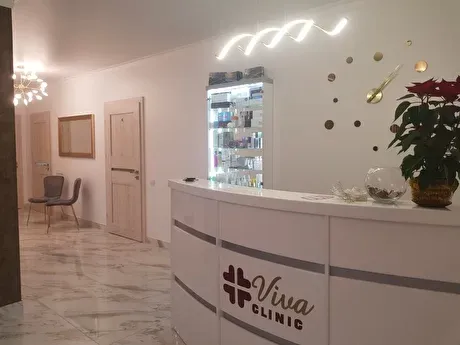
Aesthetic medicine
16b/3 Kuzovkova St, Slavuta, Khmelnytskyi Oblast
Mon–Fri 9:00–18:00
Open in Google MapsAesthetic medicine
For scars, including acne and burn scars, Viva Clinic in Slavuta uses plasma lifting: injections of plasma made from your own blood. It's done at the aesthetic medicine center at 16b/3 Kuzovkova St after a consultation where the doctor assesses the scar and checks for contraindications. You can book by phone, on Viber or Telegram.
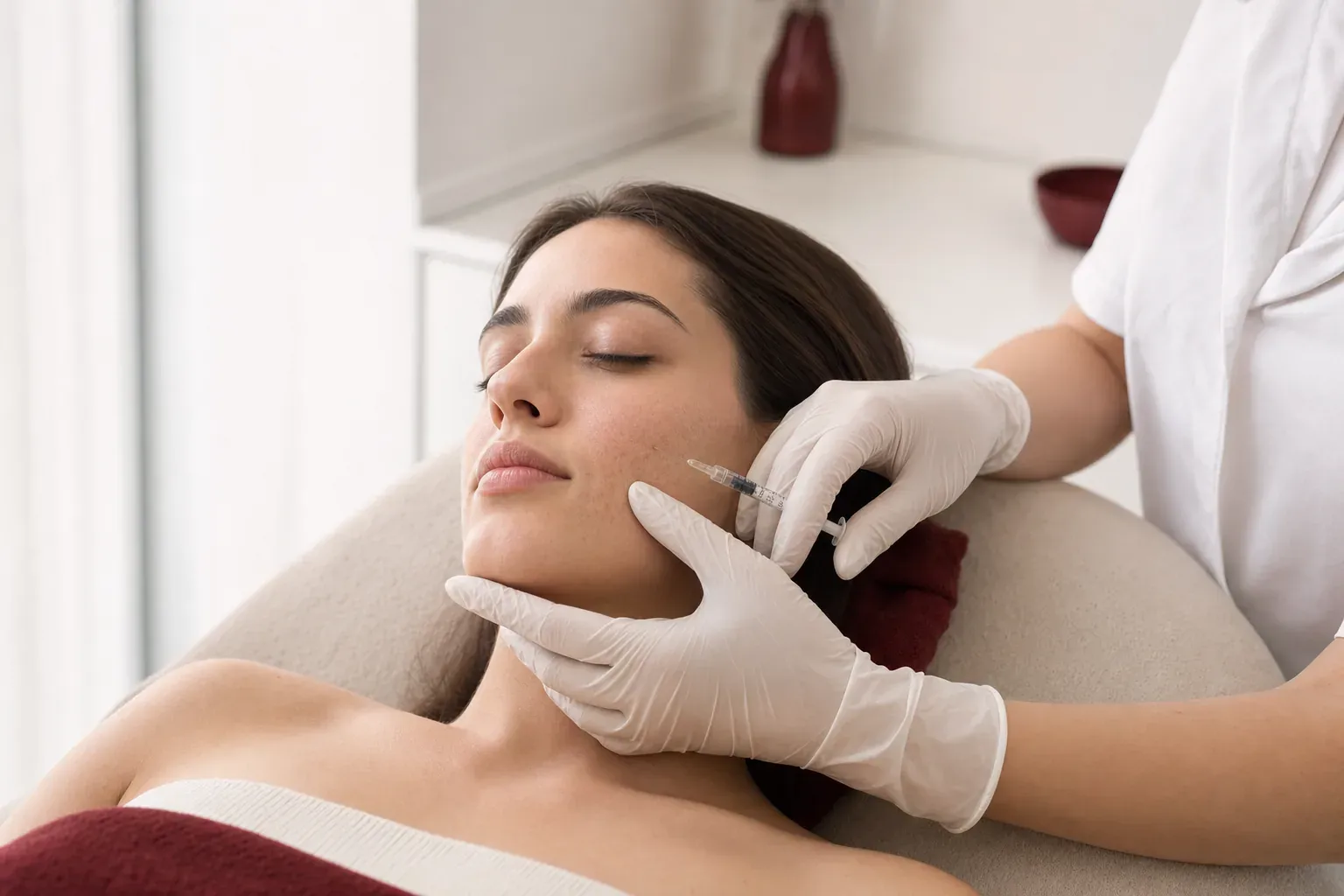
Plasma lifting is used for atrophic scars, which are sunken into the skin, like those left by acne or chickenpox, and for burn scars. It’s done on the face, neck, chest and arms.
Keloid and hypertrophic scars are raised above the skin. A keloid also spreads beyond the edges of the original wound and may itch or hurt. These scars are often treated with other methods, so the doctor will assess whether plasma lifting is suitable or suggest seeing a dermatologist first. New scars are approached with care too: a scar keeps changing for a long time after the wound heals, and the doctor will tell you when it can be treated.
Dark spots left by pimples aren’t scars. They’re pigmentation, which is treated with chemical peels. If you still get breakouts, the acne itself needs to be brought under control first. Why acne develops and when you need a dermatologist is explained in our article what acne is. Atrophic scars on the face are sometimes corrected with fillers as well, in dermal filler treatments.
The consultation and the procedure take place at the Viva Clinic aesthetic medicine center at 16b/3 Kuzovkova St. The cosmetic doctor examines the scar, asks when and how it appeared and what medication you take, and checks for contraindications. The clinic’s cosmetic doctors are trained in plasma therapy.
On the day of the procedure, blood is taken from a vein, and a centrifuge separates out plasma rich in platelets. The doctor then cleanses the skin, treats it with an antiseptic and injects the plasma into the scar area with a fine needle. Platelets release substances that start tissue repair and collagen production. Scar tissue changes gradually, so a course of several sessions is usually needed. The doctor decides how many and how far apart after the examination. Plasma lifting is a paid treatment.
Your doctor will explain how you should prepare at the consultation. For 2–3 days before a session, people are usually advised to:
Tell your doctor about every medication you take, including painkillers such as aspirin or ibuprofen and medicines that affect blood clotting, because they act on platelets. Don’t stop medicines prescribed by another doctor on your own.
Redness, slight swelling and bruising at the injection sites usually go away within a few days. To help your skin recover:
Call the doctor who did the procedure right away if the skin in the injection area turns white, blue or blotchy, or the pain gets worse. If your vision suddenly worsens, your eye hurts, you see double or your eyelid droops after a procedure on the face, call an ambulance on 103. Also call 103 if your face, tongue or throat swells and breathing becomes difficult. And if after a few days the skin becomes hot and red, or you notice pus or a fever, contact a doctor the same day.
No procedure can remove a scar completely. The aim of treatment is to make it less noticeable, and how much it changes depends on the type of scar, its depth and its age. Your doctor will tell you what's realistic in your case after examining it.
Usually a course of several sessions. Your doctor decides how many and how far apart after the examination, depending on the scar and how your skin responds. Some people notice changes after the first sessions, but the result is judged after the full course.
Only a doctor can decide that after an examination. Keloid and hypertrophic scars are raised above the skin, and a keloid also grows beyond the edges of the original wound. They're often treated with other methods, so your doctor may suggest seeing a dermatologist first.
The procedure isn't done with blood disorders or clotting problems, anticoagulant use, cancer, or during pregnancy and breastfeeding. It's postponed if there's inflammation or infection of the skin in the scar area, an acute infection or a flare-up of a chronic illness. Your doctor checks the full list of contraindications at the consultation.
You'll feel the injections, and how much depends on the area and your pain threshold. If you're sensitive to pain, tell your doctor in advance, and pain relief can be used. After the procedure, the injection sites may stay red and slightly swollen for a few days.
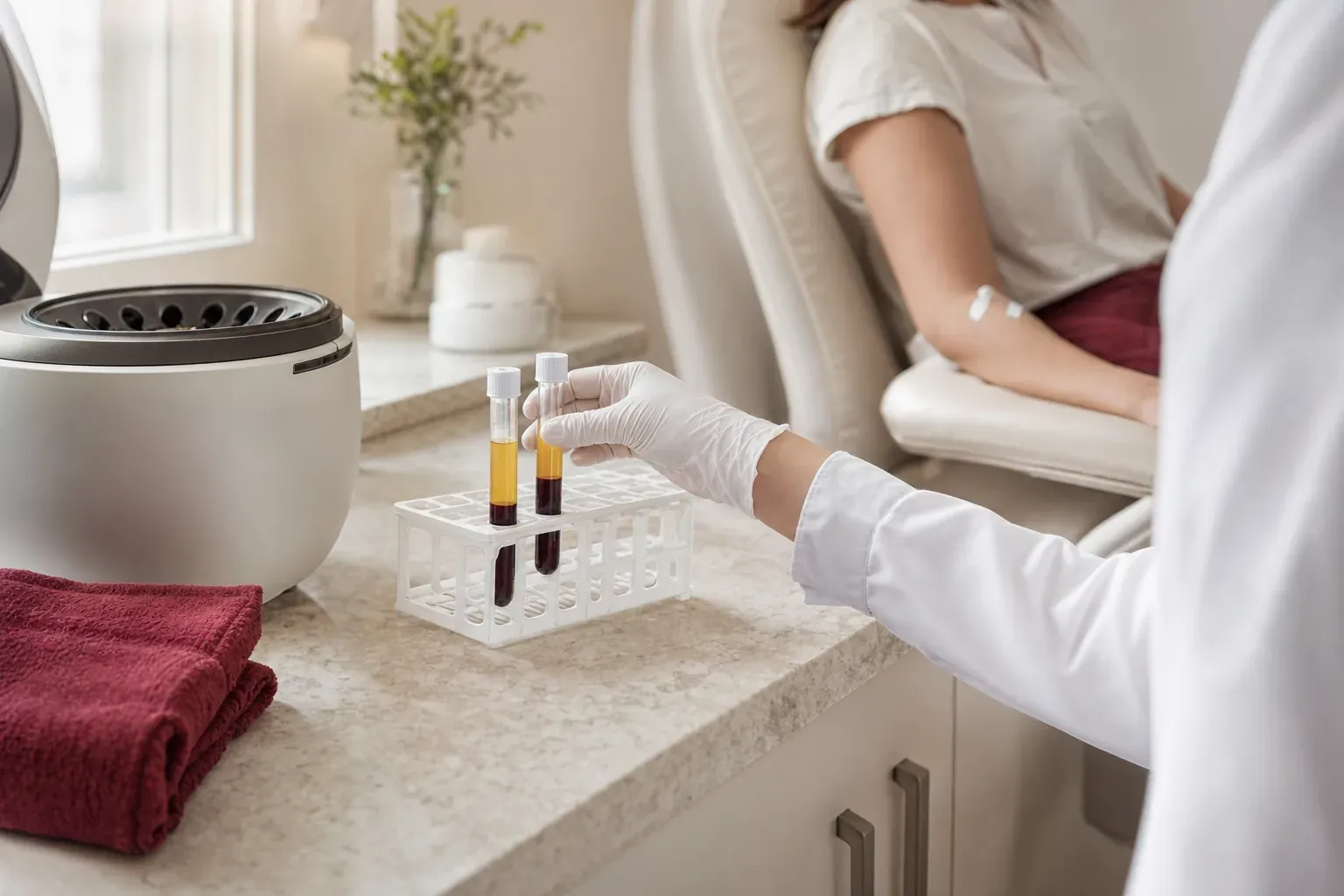
PRP therapy, also called plasma lifting, means injecting plasma rich in platelets that's made from your own blood. Platelets release substances that start tissue repair and collagen production, so Viva Clinic in Slavuta uses plasma lifting to treat scars, including acne and burn scars. The procedure is done by a cosmetic doctor after a consultation, usually as a course of several sessions.

Post-acne is the general name for what acne leaves behind: marks where the inflammation was and scars, which are dents in the skin. Marks usually fade over time, and peels and daily SPF help with that, while scars don't go away on their own. At Viva Clinic in Slavuta, acne scars are made less noticeable with plasma lifting once breakouts are under control.
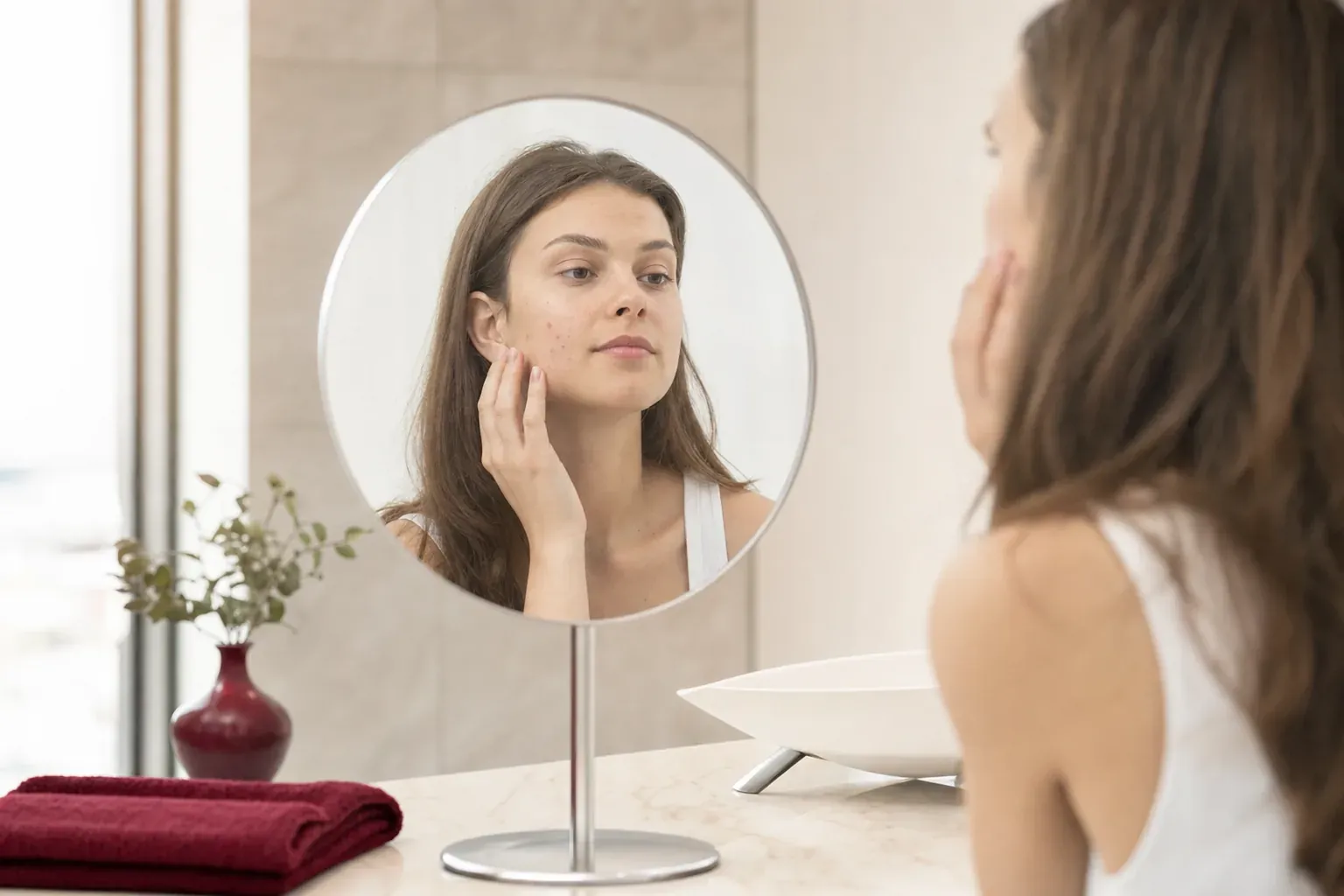
Acne is a chronic inflammation of the oil glands and hair follicles. It shows up as blackheads and pimples, and sometimes as painful lumps on the face, chest or back. Mild acne can often be kept under control with skincare, but if lumps or scars appear, a dermatologist chooses the treatment.
16b/3 Kuzovkova St, Slavuta, Khmelnytskyi Oblast
Mon–Fri 9:00–18:00
Open in Google MapsViva Clinic ratings on Google Maps and recent patient reviews. If you have visited us, please leave a review.
16b/3 Kuzovkova St, Slavuta
4.127 reviews
Our administrators will help you choose a doctor and a convenient time.