



Specialist care
Cardiologist in Slavuta
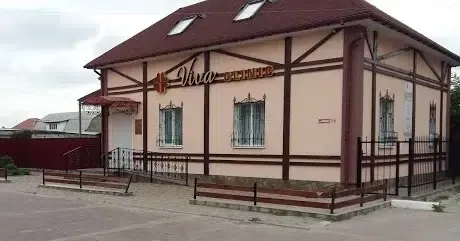
A Viva Clinic cardiologist in Slavuta sees patients with high blood pressure, chest pain, an irregular heartbeat or shortness of breath. The consultation takes place at Viva Clinic at 27a Sobornosti St or 3 Danyla Halytskoho St (the exact address is confirmed when you book) and starts with a conversation and an ECG. Visits are by appointment: call us or message us on Viber.
Paid serviceBy appointment

At a glance
- Where
- 27a Sobornosti St or 3 Danyla Halytskoho St, Slavuta
- Hours
- Mon–Fri 8:00–17:00
- How to book
- phone or Viber
- Payment
- paid
When to see a cardiologist
- Blood pressure that stays high for a long time, is often above 140/90 mmHg, or swings sharply
- Chest pain or discomfort, sharp or dragging pain around the heart
- A fast, slow or irregular heartbeat, or skipped beats
- Shortness of breath with light activity, at rest or in the evenings
- Swollen legs, sweating, constant tiredness and feeling unwell
- Dizziness without much physical effort, or fainting
- Total cholesterol above 5.5 mmol/L, diabetes or thyroid disease
- Heart disease in close relatives, or plans to take up a sport seriously
What a cardiologist visit includes
- Cardiology consultation with a medical history, exam and ECG
- Lab tests at the Diagnost-Lab laboratory
- Referral for a heart ultrasound (echocardiography), exercise ECG, Holter ECG or 24-hour blood pressure monitoring, if needed
- Follow-up visit to review results and agree on a treatment plan
- Treatment of high blood pressure, arrhythmias, coronary heart disease and heart failure
- Diagnosis of heart problems linked to diabetes, hypothyroidism, metabolic syndrome and pregnancy
- Care after discharge from the hospital
- A decision on whether urgent or planned hospital admission is needed
What happens at a cardiology appointment
The doctor asks what is bothering you, when the symptoms started, what medicines you take and whether your relatives have had heart disease. Then the doctor examines you and records an ECG. Bring any old ECGs you have, since changes are easier to see side by side.
At the first visit, the cardiologist makes a preliminary diagnosis and decides which tests you need. These may include lab tests, a heart ultrasound, an exercise ECG, or 24-hour ECG or blood pressure monitoring. If your condition needs quick action, medicines to stabilize it are prescribed before the results are in. The doctor will also tell you whether you need urgent or planned admission to the hospital.
You then come back with your results for a follow-up visit. The cardiologist examines you again, assesses how your condition has changed, makes the final diagnosis, sets out a treatment plan and explains how to keep track of your condition.
What a cardiologist treats
The cardiologist at Viva Clinic treats high blood pressure and secondary hypertension, atherosclerosis, coronary heart disease and angina, arrhythmias, bradycardia and heart block, heart failure, cardiomyopathy, myocarditis, pericarditis and pericardial effusion, infective endocarditis, congenital and acquired heart defects, valve prolapse, cardiac aneurysm and blood clots inside the heart. Heart attack, heart tumors and pulmonary embolism are only diagnosed here.
The doctor also diagnoses heart problems caused by diseases of other organs: diabetic heart disease, the heart in hypothyroidism and during pregnancy, hypertensive heart disease, metabolic syndrome, autonomic dysfunction, cardialgia and rhythm disorders of various causes. The cardiologist also follows patients after they leave the hospital.
You may have no symptoms at all. Heart disease affects young people too, and it is driven by stress, smoking, alcohol, poor food, pollution, obesity, too little exercise or, the other way round, excessive strain. A checkup is still worth it if you are over 40, smoke, are not very active or are overweight.
Do I need to travel to another city to see a cardiologist?
No. The cardiologist sees patients here in Slavuta, at Viva Clinic at 27a Sobornosti St or 3 Danyla Halytskoho St, so there is no need to travel to Kyiv, Lviv or Khmelnytskyi. ECGs, heart ultrasounds and Holter monitoring are done at the clinic, and lab tests at our own Diagnost-Lab laboratory at 32 Sobornosti St. Visits are by appointment, so you will not have to wait in line outside the office.
If you have signed a declaration with a Viva Clinic family doctor, basic lab tests and an ECG are free for you. A consultation with a cardiologist is paid. The clinic operates under Ministry of Health license No. 601.
Questions about seeing a cardiologist
Will I get an ECG at my first cardiology appointment?
Yes, the ECG is done right at the first visit. The doctor first asks about your symptoms, then examines you and records the ECG. If you need other tests, such as a heart ultrasound or 24-hour blood pressure monitoring, the cardiologist will explain which ones and why.
What should I bring to a cardiology appointment?
Previous ECGs, test results and hospital discharge summaries, if you have them. The doctor will compare your old ECG with the new one to see what has changed. Also write down which medicines you take and the doses.
Why do I need a follow-up visit with the cardiologist?
To get a diagnosis and a treatment plan based on your test results. At the follow-up, the doctor goes over the results, confirms the diagnosis and explains how to monitor your condition and what to do if new symptoms appear.
What should I do if I suddenly have severe chest pain?
Call an ambulance and do not wait for a planned appointment. Sudden severe chest pain, struggling to breathe or loss of consciousness need emergency care. A planned cardiology visit is for symptoms that are not acute, for example blood pressure that rises from time to time or skipped beats.
When should I see a cardiologist?
When your blood pressure stays high for a long time or goes above 140/90 mmHg, your pulse is fast or slow, or you have skipped beats, pain around the heart, shortness of breath, swollen legs, sweating, constant tiredness or dizziness without effort. If your speech or coordination is suddenly affected, call an ambulance on 103.
How often should I see a cardiologist?
Viva Clinic cardiologists recommend a preventive checkup at least once every 12 months, even if nothing is bothering you. This matters most if you are over 40, smoke, are not very active or are overweight, or if you have diabetes, thyroid disease or relatives who had heart or vascular disease.
Why is heart disease prevention important?
Because atherosclerosis can develop for years without symptoms, while a heart attack or stroke often happens suddenly, before any treatment has started. Cardiovascular disease is the main cause of sudden death and a common cause of disability. Most cases are linked to lifestyle, so the fewer risk factors you have, the lower the rates of illness and death.
What tests might a cardiologist order?
Lab tests, an ECG, an exercise ECG, a heart ultrasound (echocardiography), Holter ECG monitoring and 24-hour blood pressure monitoring. You can have all of these at Viva Clinic in Slavuta. If you need a chest X-ray, MRI, CT, scintigraphy or angiography, the cardiologist will give you a referral and tell you where to have it done.
Articles: cardiology

Low blood pressure: what to do and how to raise it
Low blood pressure usually means a reading under 90/60 mmHg. If you feel well, these numbers don't need treatment: in many young, slim people this is normal. If low blood pressure comes with dizziness, weakness or fainting, sit or lie down and raise your legs, then see a doctor to find out the cause.
High blood pressure: what to do at home and how to lower it
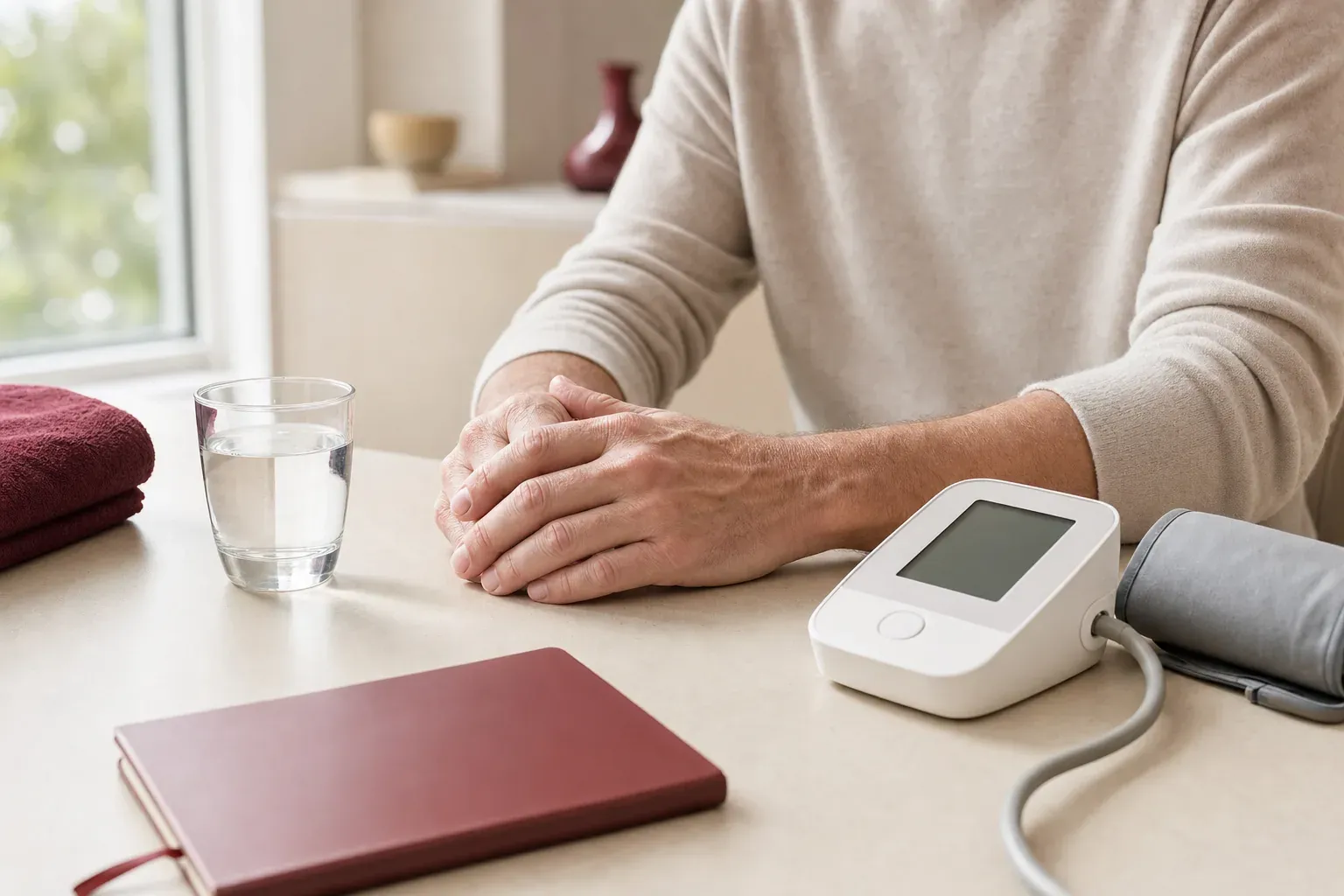
If your monitor shows high blood pressure, sit down, rest quietly for 5 minutes and then measure again. If the numbers don't come down, take only the medicine your doctor has already prescribed for this situation, and contact your doctor the same day. Chest pain, shortness of breath, trouble speaking, weakness in an arm or a sudden severe headache with high blood pressure mean you should call an ambulance on 103 right away.

What blood pressure is normal for adults
Doctors consider a blood pressure of about 120/80 mmHg normal for an adult. Hypertension is diagnosed when repeated readings in the doctor's office are 140/90 or higher, or home readings are 135/85 or higher. These limits are the same for adults of any age, and if you need treatment, your doctor sets your personal target.

Health Screening 40+ results: how to read your lipid profile and HbA1c
Doctors usually consider a glycated hemoglobin (HbA1c) under 5.7% normal and call 5.7% to 6.4% prediabetes, while 6.5% or higher may mean diabetes, which is confirmed with a repeat test. There's no single normal value for a lipid profile: your doctor sets cholesterol targets based on your risk of heart disease. Discuss any result outside the normal range with your family doctor or internist.

What is an internist and what do they treat?
An internist treats adults with general health complaints such as a fever, cough, high blood pressure, weakness or stomach pain. They manage long-term conditions, explain test results and refer you to a specialist when one is needed. If you're an adult and not sure which doctor to see, start with an internist.

Holter ECG and 24-hour blood pressure monitoring: what they are and how they work
During Holter monitoring, a small device that you wear continuously records your ECG or regularly measures your blood pressure for 24 hours, or longer if needed. A standard ECG takes a few minutes, while a Holter shows how your heart and blood pressure behave during the day, at night, while walking and while sleeping. Viva Clinic in Slavuta offers both, a Holter ECG and 24-hour blood pressure monitoring, at the polyclinic at 27a Sobornosti St by appointment.
Other doctors and tests at Viva Clinic
Where to see a cardiologist in Slavuta
The exact address is confirmed when you book.
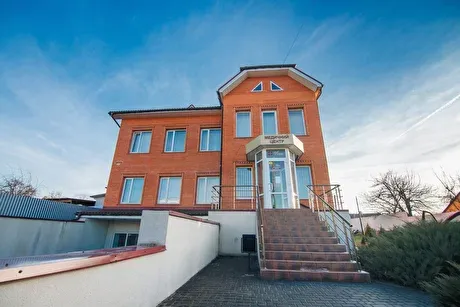
Day hospital
3 Danyla Halytskoho St, Slavuta, Khmelnytskyi Oblast
Mon–Fri 8:00–17:00
Open in Google MapsGoogle rating and reviews
Viva Clinic ratings on Google Maps and recent patient reviews. If you have visited us, please leave a review.
Polyclinic
27a Sobornosti St, Slavuta
4.443 reviews
Day hospital
3 Danyla Halytskoho St, Slavuta
4.515 reviews
Message or call us
Our administrators will help you choose a doctor and a convenient time.