Cellulite: can you get rid of it, and what actually helps
Cellulite usually can't be removed completely, because it's a feature of how fat tissue and skin are structured, and most women have it, including slim women. Regular exercise and a stable weight help make it less visible, and body treatments such as vacuum thermal massage improve how the skin looks for a while. At Viva Clinic in Slavuta, these treatments are chosen after an examination and a check for contraindications.

Published Updated 4 min read
What cellulite is and why most women have it
Under the skin lies a layer of fat tissue. Thin walls of connective tissue divide it into lobules and run from the skin down into the deeper layers. In women these walls run mostly vertically, so the fat lobules bulge up between them toward the surface while the walls themselves seem to pull the skin down. This creates the bumps and dimples often called “orange peel” skin.
Cellulite is most noticeable on the thighs, buttocks and abdomen. Women of any weight can have it, and it isn’t considered a disease, so it doesn’t need treatment. If it bothers you, though, it can be made less visible.
Why cellulite appears
Cellulite usually appears after puberty, because female sex hormones affect where fat is stored and what the connective tissue is like. After that, how your skin looks depends on:
- genes: if cellulite is very noticeable in a mother, her daughter often has it too;
- weight: as the fat lobules grow, the bumps become more visible;
- activity: with a sedentary lifestyle the muscles weaken, and the skin over them looks less smooth;
- age: over the years the skin thins and loses firmness, so unevenness beneath it shows more.
How to get rid of cellulite and what actually helps
Of the things you can control, exercise and a stable weight matter most.
Regular exercise, including strength training for the legs and buttocks, firms the muscles, and the skin over them looks smoother. Walking, swimming or cycling also help if you do them regularly. A stable weight without sharp swings helps the skin keep its firmness. Moisturizers make the skin feel softer, but they don’t smooth out the bumps.
Vacuum massage for cellulite, cavitation and body wraps: what to expect
Viva Clinic offers several body treatments for skin with cellulite: vacuum thermal massage, ultrasonic cavitation and body wraps.
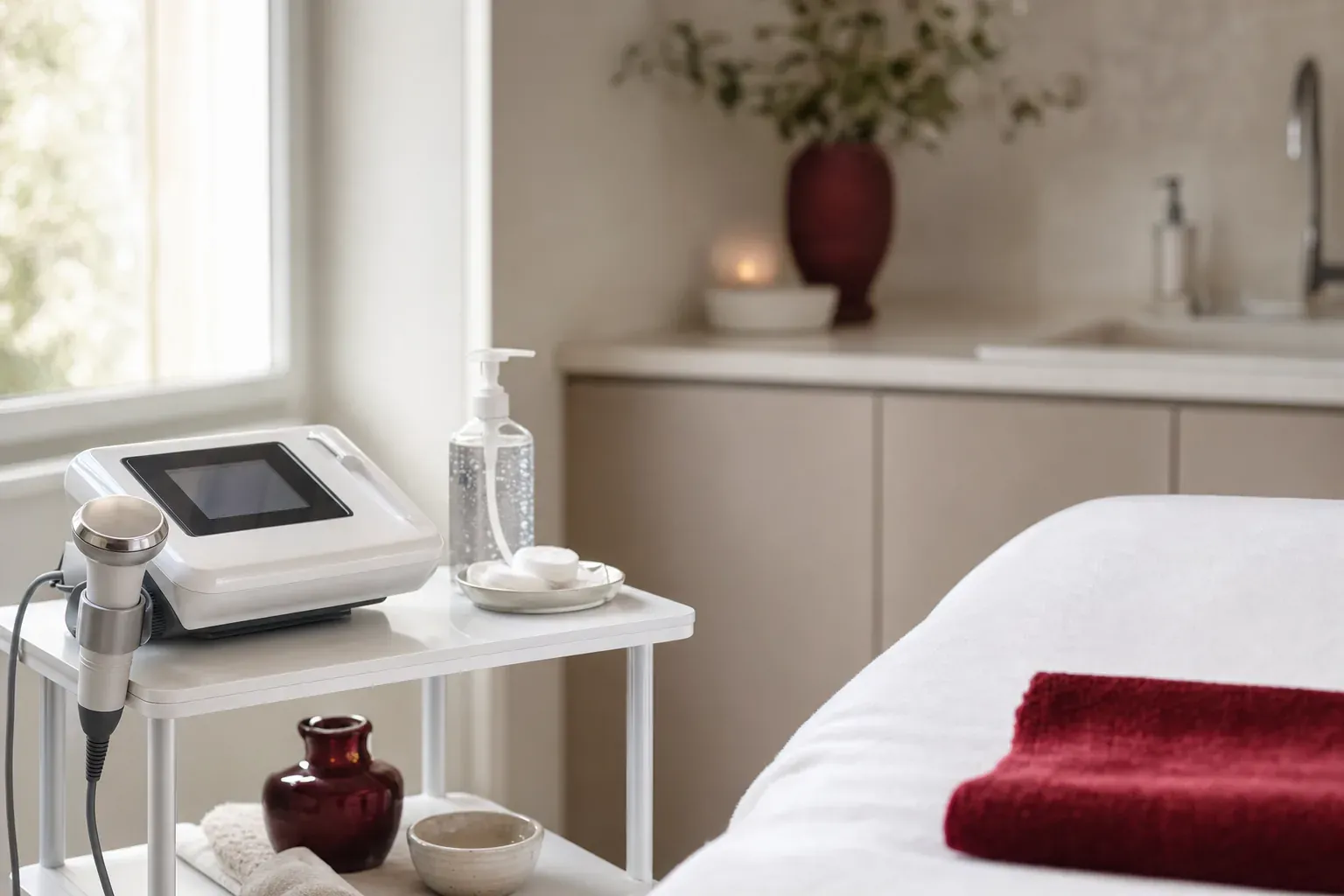
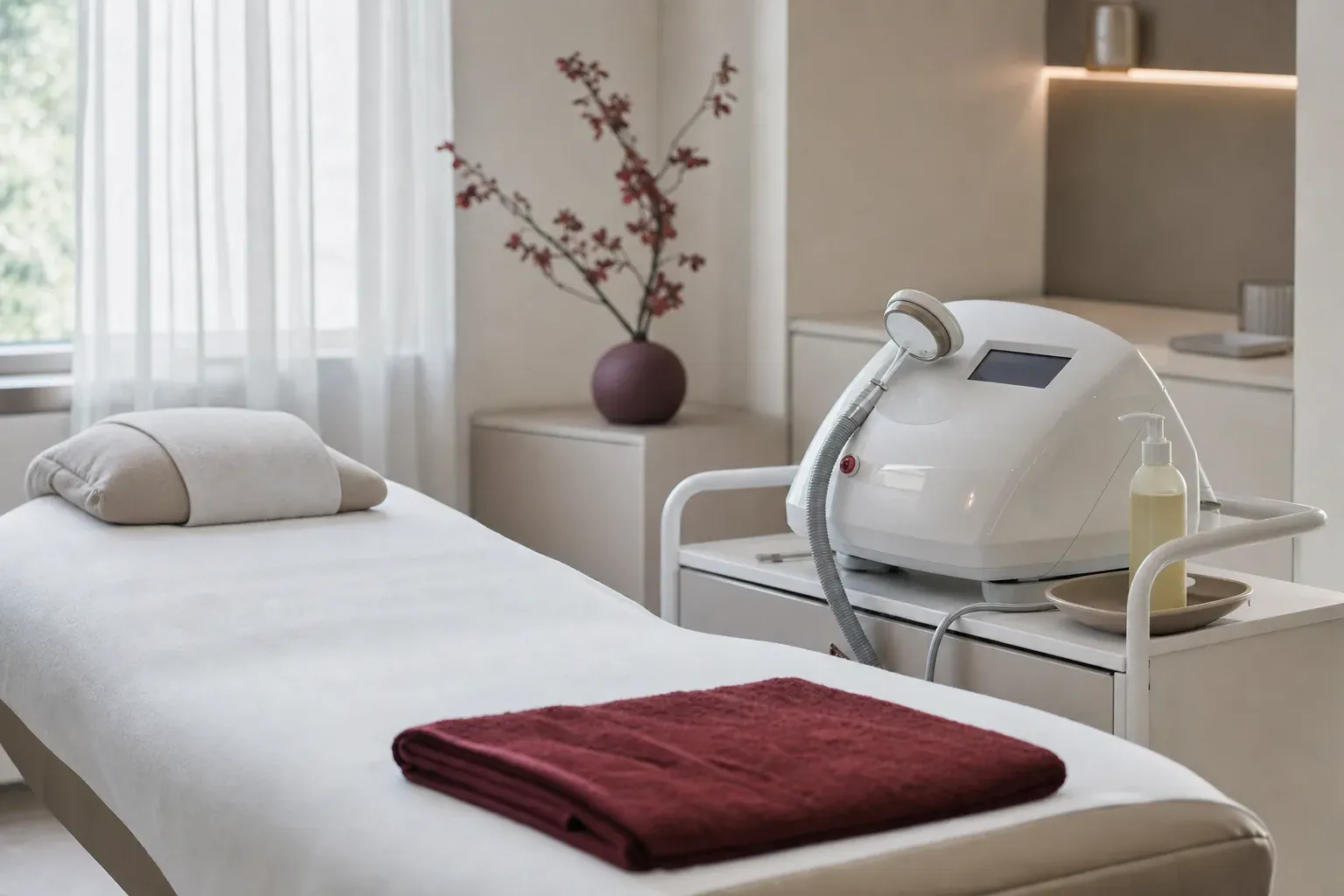
Vacuum thermal massage combines vacuum massage with infrared heating. The device creates low pressure, draws in the skin together with the fat layer beneath it and kneads the tissue, while infrared heat warms it. The vacuum strength and temperature are adjusted to suit you, and there’s usually no severe pain. Your skin may look pink after a session. If you bruise easily, mention it before the treatment.
Ultrasonic cavitation is done on areas with local fat deposits and can be combined with vacuum massage in one visit. There’s no evidence yet that ultrasound on its own reduces cellulite. Our article on ultrasonic cavitation explains how it works and why it doesn’t help you lose weight. Body wraps can be warm, chosen to care for skin with cellulite, or cold with a cryo-activator to improve skin firmness.
These treatments improve how the skin looks for a while and can make cellulite less visible, but they don’t remove it completely. They don’t affect your weight and don’t replace exercise and diet, so the clinic doesn’t promise a specific number of centimeters. The treatments are usually done as a course, and after examining you the specialist will advise how many sessions you need and how often to come. The effect lasts longer if you keep exercising and watching your weight.
Who body treatments aren’t suitable for and when to see a doctor about your legs
At your first visit, the cosmetologist examines the area, asks how you feel and what medication you take, and checks for contraindications. Body treatments aren’t done, or are postponed, during pregnancy and if you have varicose veins, thrombosis or acute skin inflammation in the treatment area. Also tell your cosmetologist if you have a pacemaker or metal implants in the treatment area, cancer, or take medication that affects blood clotting: this determines which treatment you can have. The cosmetologist checks the full list of contraindications at the consultation.
Swelling and pain in the legs aren’t part of cellulite. If your legs regularly swell or ache, especially in the evening, see a vascular surgeon first: this can be a sign of varicose veins, and massage and heat could then do harm. Our article on varicose veins describes the early signs. See a doctor the same day if one leg suddenly swells and hurts, especially in the calf, or if a vein becomes hard, red and painful to the touch. If leg swelling or pain comes with shortness of breath, chest pain or coughing up blood, call an ambulance on 103.
Body treatments are done at the Viva Clinic aesthetic medicine center at 16b/3 Kuzovkova St in Slavuta, by appointment only. You can book by phone, on Viber or Telegram.
Questions and answers
Do men get cellulite?
Yes, but much less often than women. In men, the connective tissue walls under the skin form a criss-cross mesh that holds the fat lobules in better, so bumps on the skin's surface are less common even with extra weight.
Do anti-cellulite creams work?
Don't expect a strong effect. Creams moisturize and soften the skin so it looks more cared for, and massaging them in briefly boosts blood flow. They don't change the structure of the fat tissue and connective tissue walls under the skin.
Can I have vacuum massage if I have varicose veins?
Usually not: varicose veins are a contraindication for vacuum massage. Tell your cosmetologist about them before your first session, since this determines which treatment you can have. If your legs swell or ache, see a vascular surgeon first.
Will cellulite go away if I lose weight?
Not necessarily. If you're overweight, gradual weight loss often makes cellulite less visible, but slim women have it too because it's linked to tissue structure. Sharp swings in weight stretch the skin, so it's better to lose weight slowly.