Facial peels: what they are and how often you can get one
A facial peel removes the top layer of dead skin cells, most often with acid solutions. Superficial peels are usually done as a course of several sessions, and medium-depth peels less often, because the skin takes longer to recover after them. A cosmetic doctor decides how many sessions you need and how far apart after examining your skin.

Published Updated 5 min read
How a peel works and what types there are
Skin cells renew constantly, and dead ones shed from the surface. When too many dead cells build up, your complexion looks dull and pores clog more easily. A peel speeds up shedding, so the skin renews more evenly.
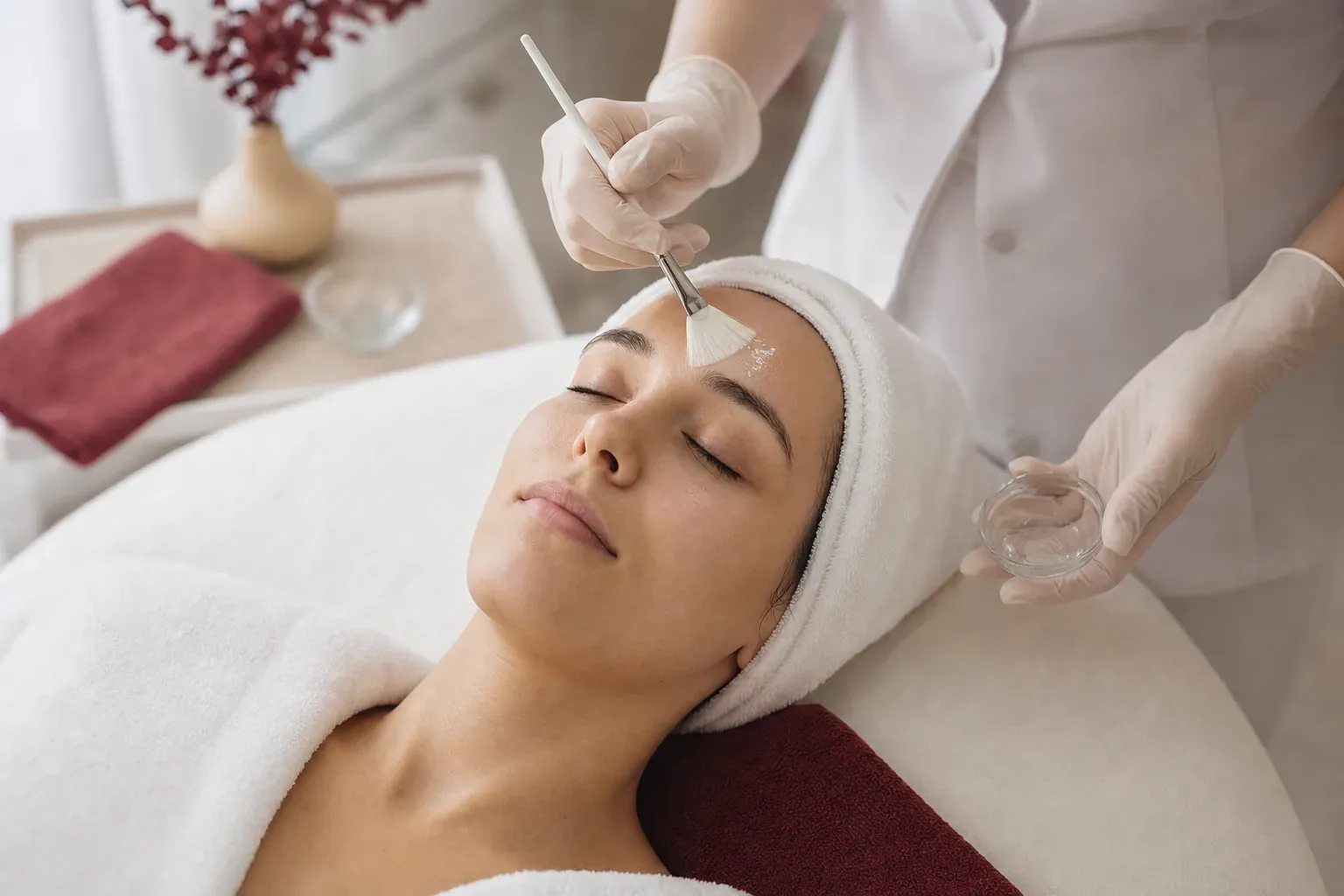
Skin can be resurfaced mechanically, as in diamond microdermabrasion, which is done with a device. Most people who talk about a facial peel, though, mean a chemical one. An acid solution is applied to the skin; it loosens the bonds between dead cells, and they come away.
By depth, cosmetology most often uses superficial and medium-depth chemical peels. A superficial peel works in the upper layers of the skin and usually leaves mild redness and fine flaking. A medium-depth peel goes deeper: the skin flakes more visibly and takes one to two weeks to heal. That is why it’s planned for a time with no celebrations or trips.
The Viva Clinic aesthetic medicine center offers superficial and medium-depth PEEL-EXPERT peels, as well as PRX-T33, known as needle-free biorevitalization. A cosmetic doctor will tell you which peel suits your skin.
What a facial peel is for
A peel is chosen for a specific goal. It’s recommended when you’re bothered by:
- dark spots and uneven skin tone;
- post-acne marks;
- oily skin, clogged pores, a tendency to breakouts;
- a dull complexion and uneven texture.
PEEL-EXPERT peels are also chosen for sensitive skin. Dark spots and post-acne marks fade gradually over the course. How much they fade depends on your skin, so results vary from person to person. For scars, including acne scars, Viva Clinic uses a different method, plasma lifting.
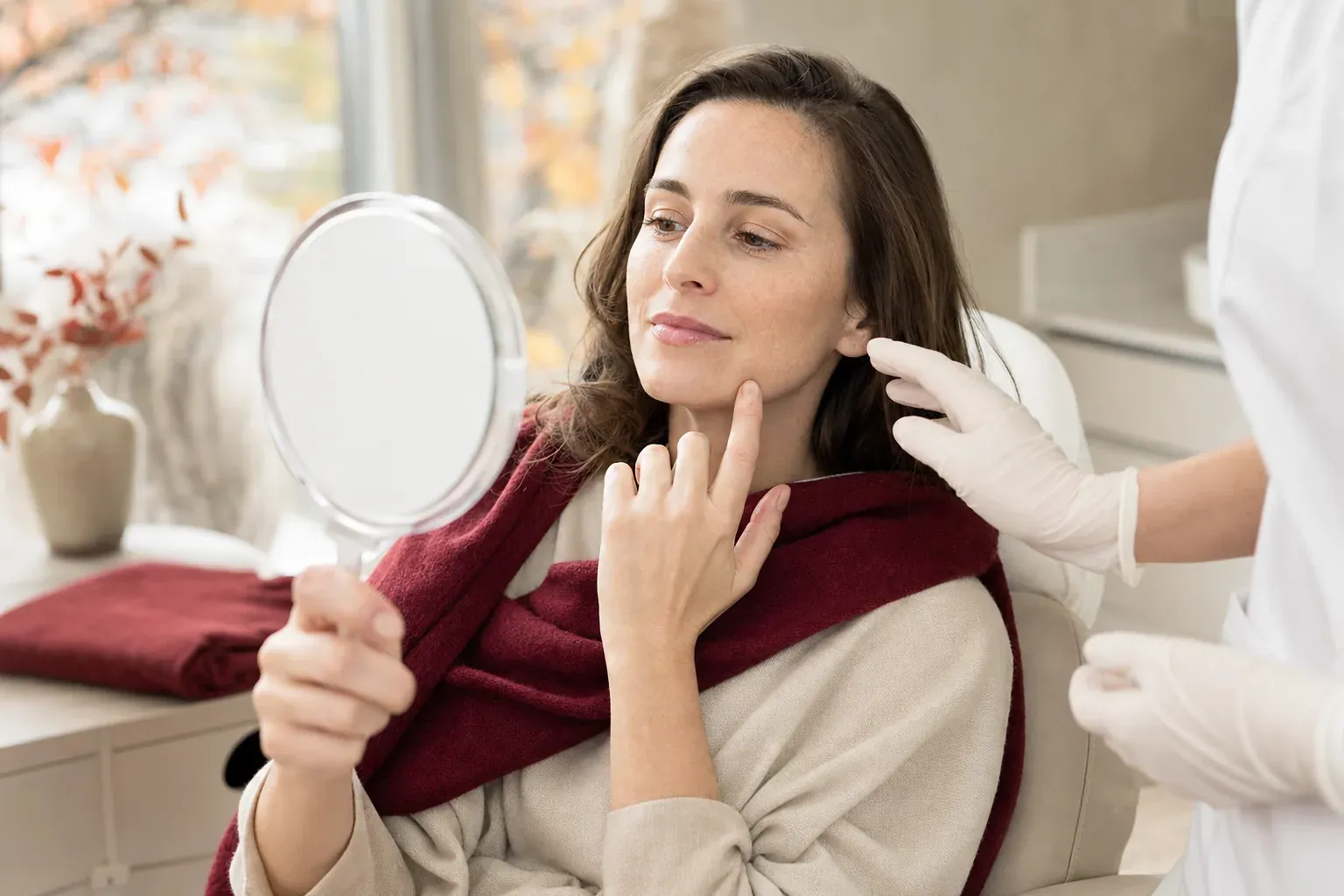
On the specialist’s advice, a peel is combined with manual facial cleansing at Viva Clinic. Your cosmetologist will tell you what your skin needs right now after examining it.
When to get a peel and how often
Most peels are planned for autumn and winter, when the sun is gentler. After the procedure, the skin is more sensitive to UV light, and dark spots appear more easily in the sun. Medium-depth peels are usually not done in summer. Some superficial peels can be done in the warm season too, if your doctor agrees and you apply SPF every day.
During a course of superficial peels, sessions are usually one to four weeks apart, depending on the product, which gives the skin time to recover. After a medium-depth peel, the break is longer. When the course is over, you take a pause, and a cosmetic doctor decides how long it should be based on your skin.
It’s best not to get peels more often than the specialist recommends. Overdried, irritated skin copes worse with sun and further treatments, and pigmentation appears on it more easily.
Who shouldn’t get a peel
A peel is postponed or not done if:
- you have active herpes (a cold sore) on your face;
- there are wounds, scratches, inflammation or sunburn in the area;
- your skin is freshly tanned;
- a skin condition has flared up;
- you’re allergic to any component of the product;
- you have a cold or a fever.
Tell your doctor if you are pregnant or breastfeeding, take any medication or have allergies. Some medicines, including acne medication, make the skin more sensitive, and this affects which peel can be used. If you are taking isotretinoin or finished a course less than six months ago, a medium-depth peel is usually not done. If you’ve recently had a facial cleansing, injections or another peel, mention that too: you need a break between procedures. If inflamed breakouts don’t go away for a long time, see a dermatologist first for treatment.
How to care for your skin after a peel
For a few days after a superficial peel, your skin may look pink, feel tight and flake a little. Don’t pick at the flakes; they’ll come off on their own. A few more rules for the first days:
- apply SPF every day, even when it’s cloudy;
- moisturize with the products your cosmetologist recommended;
- don’t use scrubs, home acid products or retinol until the specialist says you can;
- avoid the sauna, the pool and tanning for a few days.
If you have a vacation by the sea or in the mountains coming up, it’s better to get the peel after the trip. Strong sun on freshly renewed skin easily leaves dark spots, and SPF doesn’t always prevent them.
Contact a doctor the same day if you get blisters, weeping skin or crusts, if swelling or pain gets worse, or if you notice pus or a fever. If your lips, tongue or face swell and breathing becomes difficult, call an ambulance on 103 right away.
Peels are done at the Viva Clinic aesthetic medicine center at 16b/3 Kuzovkova St in Slavuta. You can book by phone, on Viber or Telegram.
Questions and answers
Can I do a peel at home?
Yes, but only with mild products your cosmetologist has recommended. Professional peels are done in the treatment room, where the specialist chooses the product and how long it stays on your skin. A strong peel chosen on your own can cause a burn and dark spots that take a long time to fade.
Does a chemical peel hurt?
There's usually no severe pain. During the procedure you feel tingling or burning that soon passes, and a medium-depth peel feels stronger than a superficial one. If the burning becomes sharp, tell the specialist doing the procedure right away.
How is a peel different from a scrub?
A scrub cleans the skin with abrasive particles and only works on the surface. A chemical peel acts evenly across the whole area and deeper, and the specialist controls how deep it goes. That's why a peel is chosen for a specific goal, such as dark spots or post-acne marks.
Do men get facial peels?
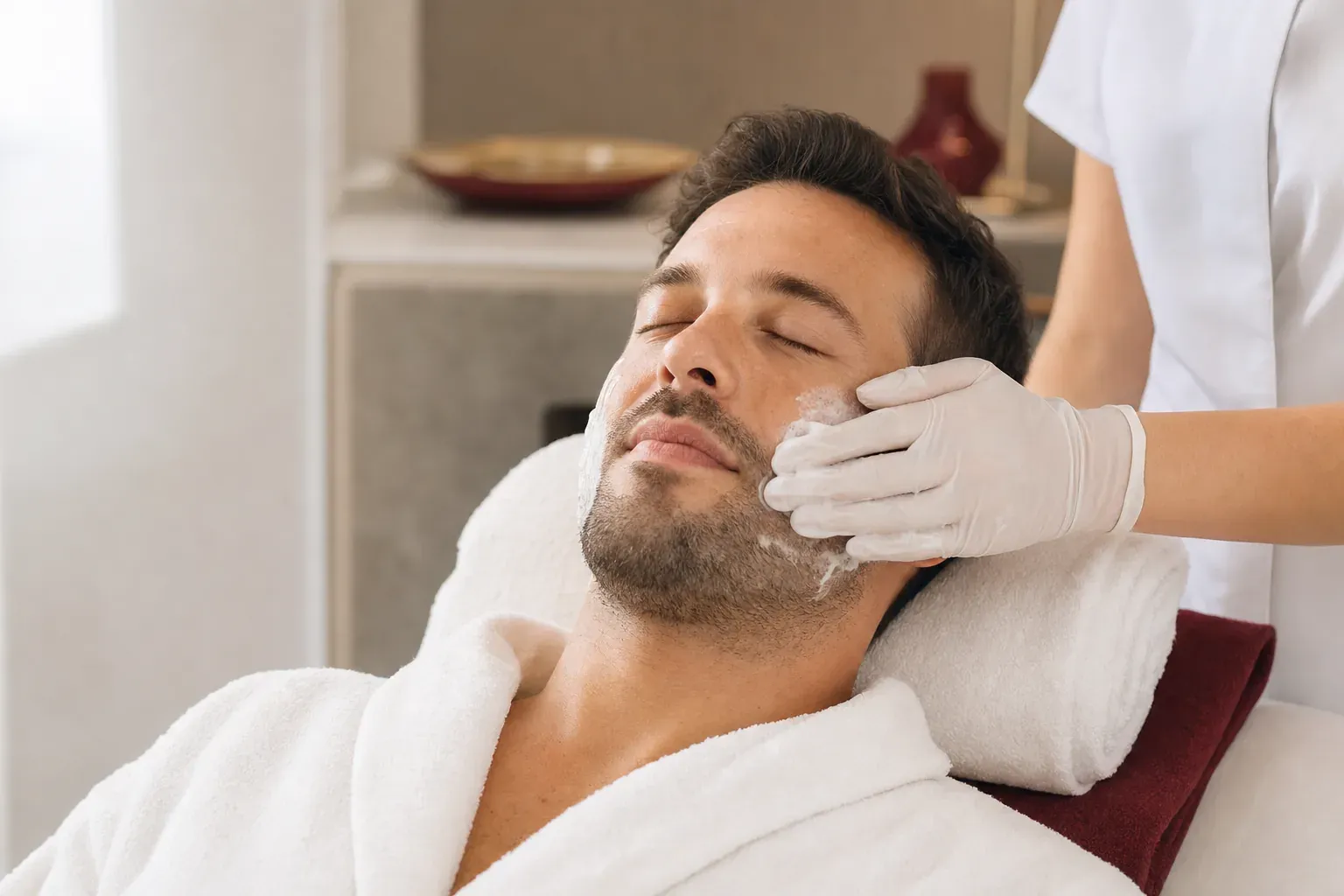
Yes. Chemical peels are among the treatments men most often come to Viva Clinic for. A cosmetic doctor chooses a peel for men the same way, after examining the skin and taking into account its oiliness, breakouts and sensitivity.