

Blog
Articles by specialists
Blood pressure, heart, thyroid, gastritis, varicose veins, urology, ENT, dermatology and ultrasound: articles by Viva Clinic specialists in Slavuta.
Anemia: symptoms, causes and what to do
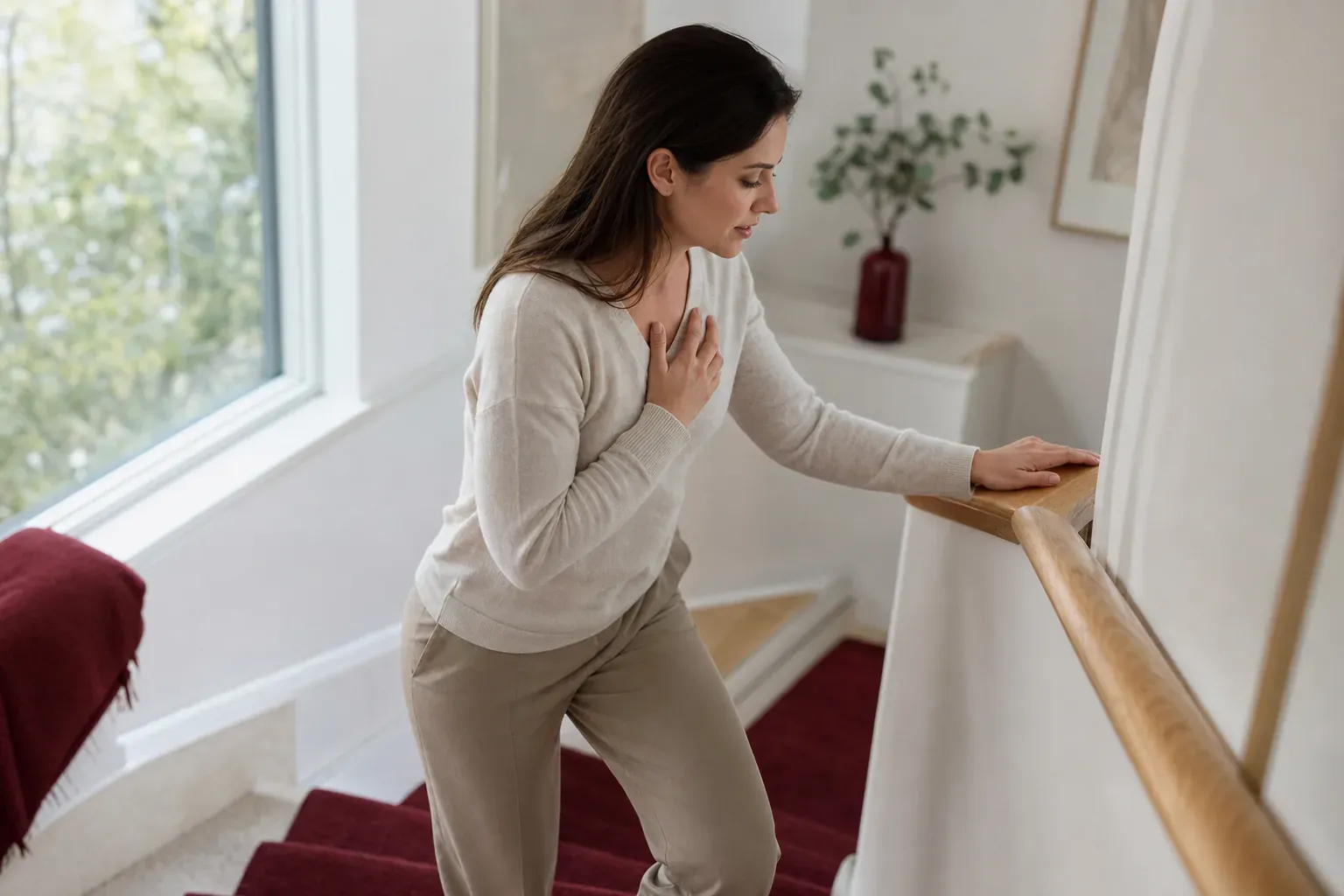
Anemia means your blood has too little hemoglobin: for adults, the WHO uses a cutoff of 120 g/L for women and 130 g/L for men. It most often shows up as tiredness, shortness of breath on exertion, a racing heart and pale skin. Iron deficiency is the most common cause, but iron supplements should only be taken on a doctor's advice, once tests have confirmed that this is the cause.

Gout: symptoms of an attack and what to do
Gout is joint inflammation caused by uric acid crystals, which form in a joint when blood uric acid stays too high for a long time. An attack starts suddenly, often at night: the joint, most often at the base of the big toe, becomes very painful, red and swollen. Rest your foot, apply something cold and see a doctor; if you have a fever, get seen the same day, because a joint infection can look the same.

Joint pain: causes and which doctor to see
Joints most often hurt because of osteoarthritis, overuse or an injury, and less often because of inflammation, that is, arthritis. A joint that swells without an injury, morning stiffness lasting over half an hour and pain that doesn't ease with rest point to inflammation: with these signs, see a rheumatologist. After an injury, see an orthopedic and trauma doctor; if you're not sure where to start, book a family doctor or internist.
High or low platelet count: causes and what to do
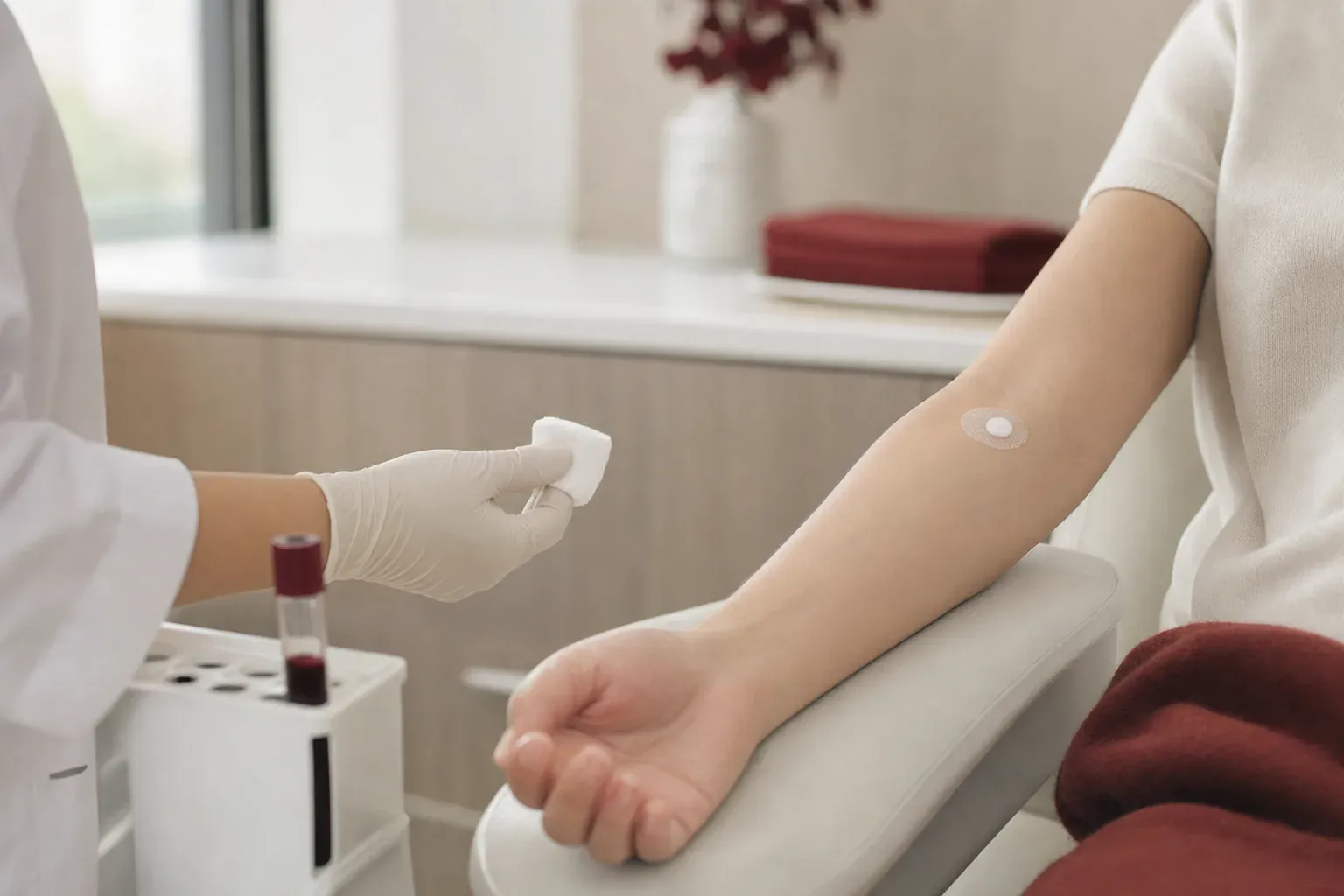
Platelets help stop bleeding, and adults usually have 150 to 400 ×10⁹/L, although the range printed on your report varies from lab to lab. Most changes are temporary: platelets rise after an infection or inflammation and with iron deficiency, and fall after viral infections or because of certain medicines or alcohol. Your doctor will interpret your result together with the other values on the test.

High white blood cell count: causes and what to do
White blood cells most often rise because of an infection or inflammation, but also after stress or hard exercise, during pregnancy and in smokers. For adults, doctors go by a range of roughly 4–10 ×10⁹/L, with an upper limit of 11 in some labs, so check the range on your report. For a small rise without symptoms, the doctor often suggests a repeat test, and if your count stays high with no clear cause, it's worth showing your results to a hematologist.

Low blood pressure: what to do and how to raise it
Low blood pressure usually means a reading under 90/60 mmHg. If you feel well, these numbers don't need treatment: in many young, slim people this is normal. If low blood pressure comes with dizziness, weakness or fainting, sit or lie down and raise your legs, then see a doctor to find out the cause.

Constant fatigue and weakness: what to do
Constant fatigue is most often caused by lack of sleep, overwork and stress, but sometimes it's a symptom of anemia, thyroid disease, high blood sugar or depression. If you've had no energy for several weeks even though you get enough sleep, see an internist. Testing usually starts with a complete blood count, ferritin, TSH and glucose.
When to have a breast ultrasound and on which day of your cycle
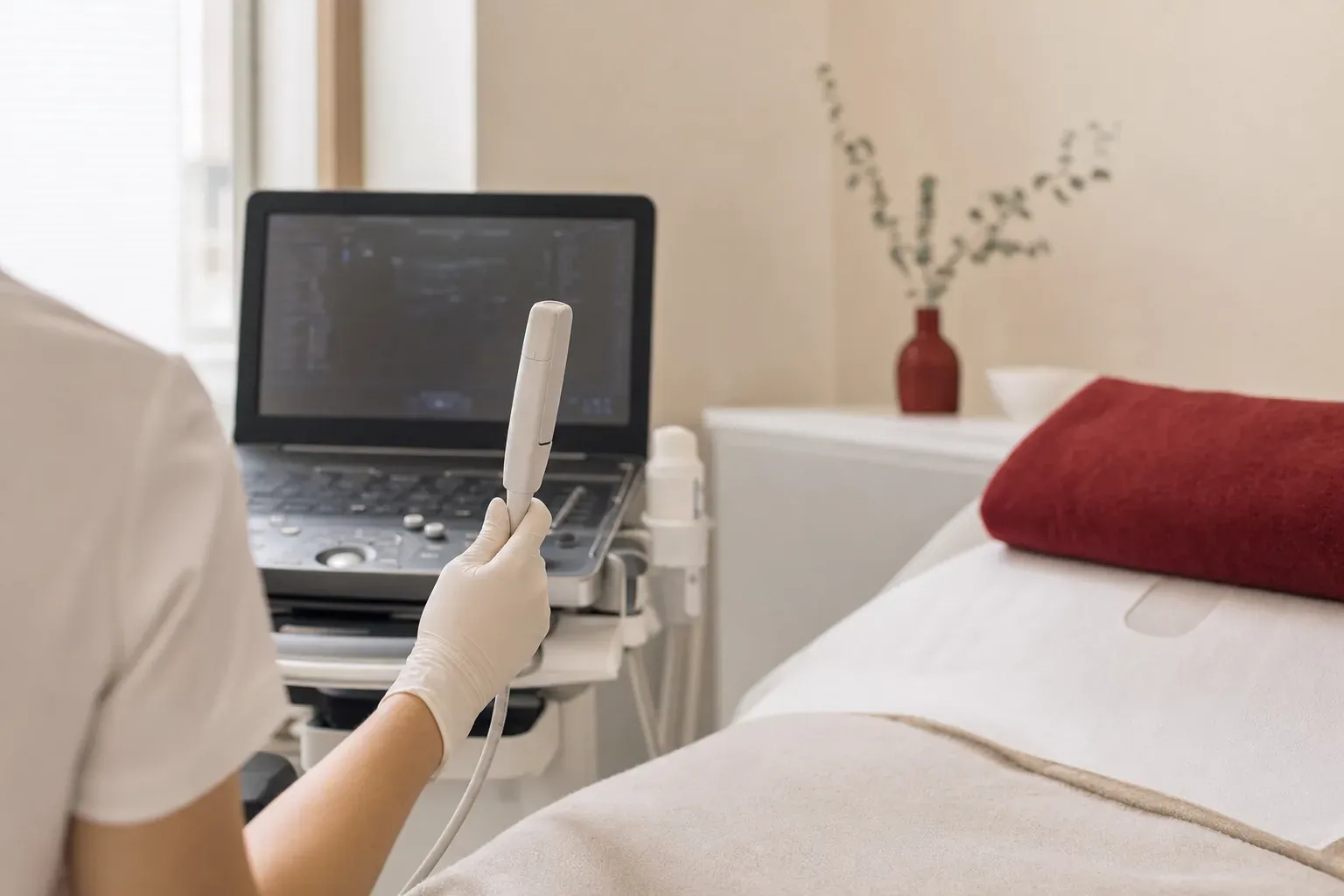
A routine breast ultrasound is usually done in the first half of your cycle, roughly between days 5 and 12 counting from the start of your period, when your breasts are least swollen. After menopause, any day is fine. If you've noticed a lump or nipple discharge, don't wait for the right day and book an appointment with a mammologist, a breast specialist, straight away.
Eye pressure: what raises it and how it is checked
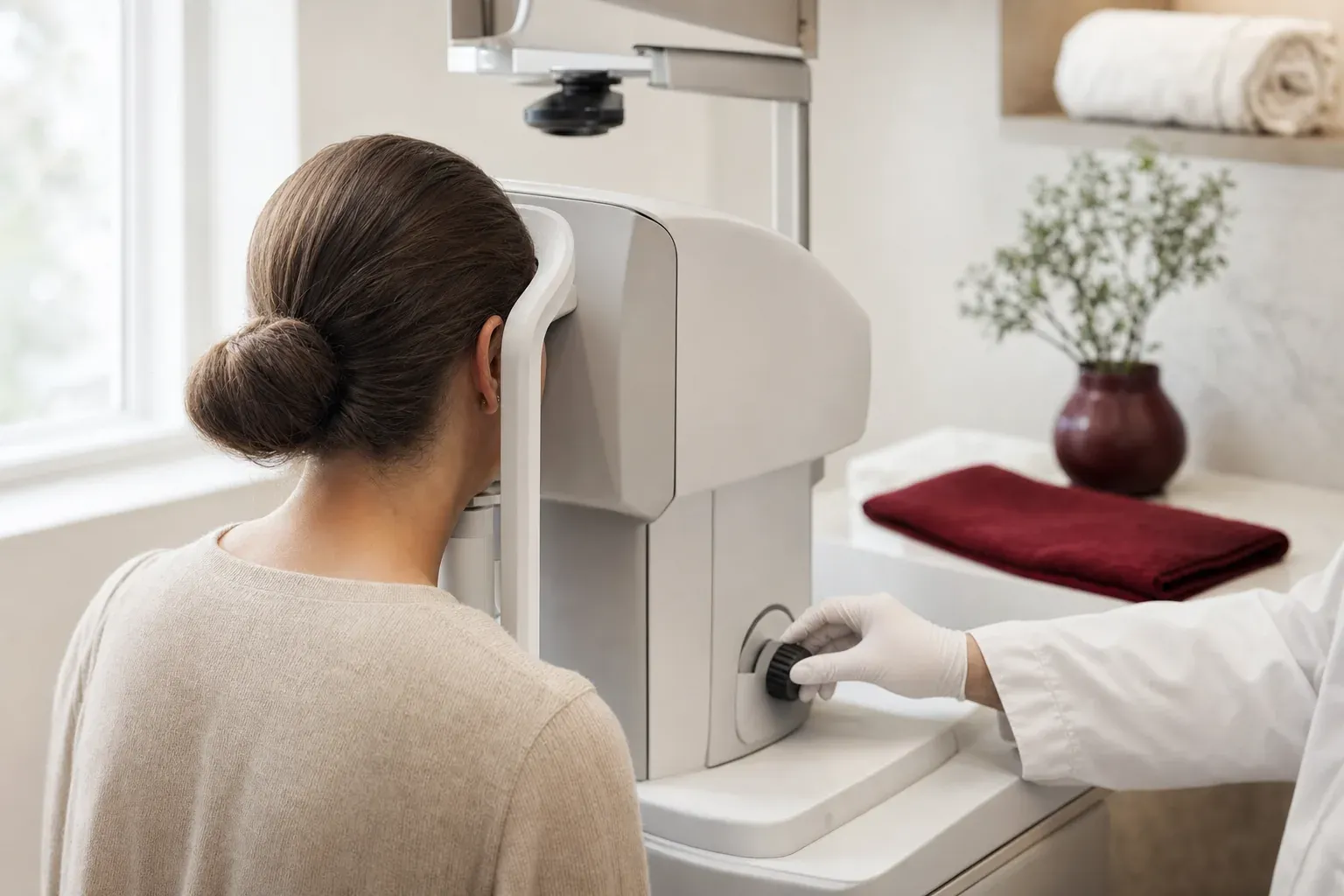
Eye pressure, or intraocular pressure, is the pressure of the fluid inside the eye. It rises when fluid drains out of the eye more slowly than it is produced, and over the years it can damage the optic nerve, which leads to glaucoma. Eye pressure usually isn't measured at home: an ophthalmologist checks it, and the measurement is painless and takes a few minutes.

What is acne and how is it treated
Acne is a chronic inflammation of the oil glands and hair follicles. It shows up as blackheads and pimples, and sometimes as painful lumps on the face, chest or back. Mild acne can often be kept under control with skincare, but if lumps or scars appear, a dermatologist chooses the treatment.

Laser treatment for varicose veins: preparation, procedure and recovery
Laser treatment for varicose veins, or endovenous laser ablation (EVLA), closes the affected vein from the inside through a small puncture, with no incisions. It is done on an outpatient basis, and a vascular surgeon decides whether it suits you after an exam and a vein ultrasound. After EVLA you usually go home the same day, and the doctor tells you what activity level and compression stockings you need.

What kidney pain feels like and how to tell it from back pain
Kidney pain is felt in the side of your lower back, just under the lowest ribs, usually on one side. It is dull and aching or comes in waves, as with renal colic, hardly changes when you move and often comes with a fever or changes in your urine. Back pain usually gets worse when you bend, twist or sit for a long time and eases when you rest.
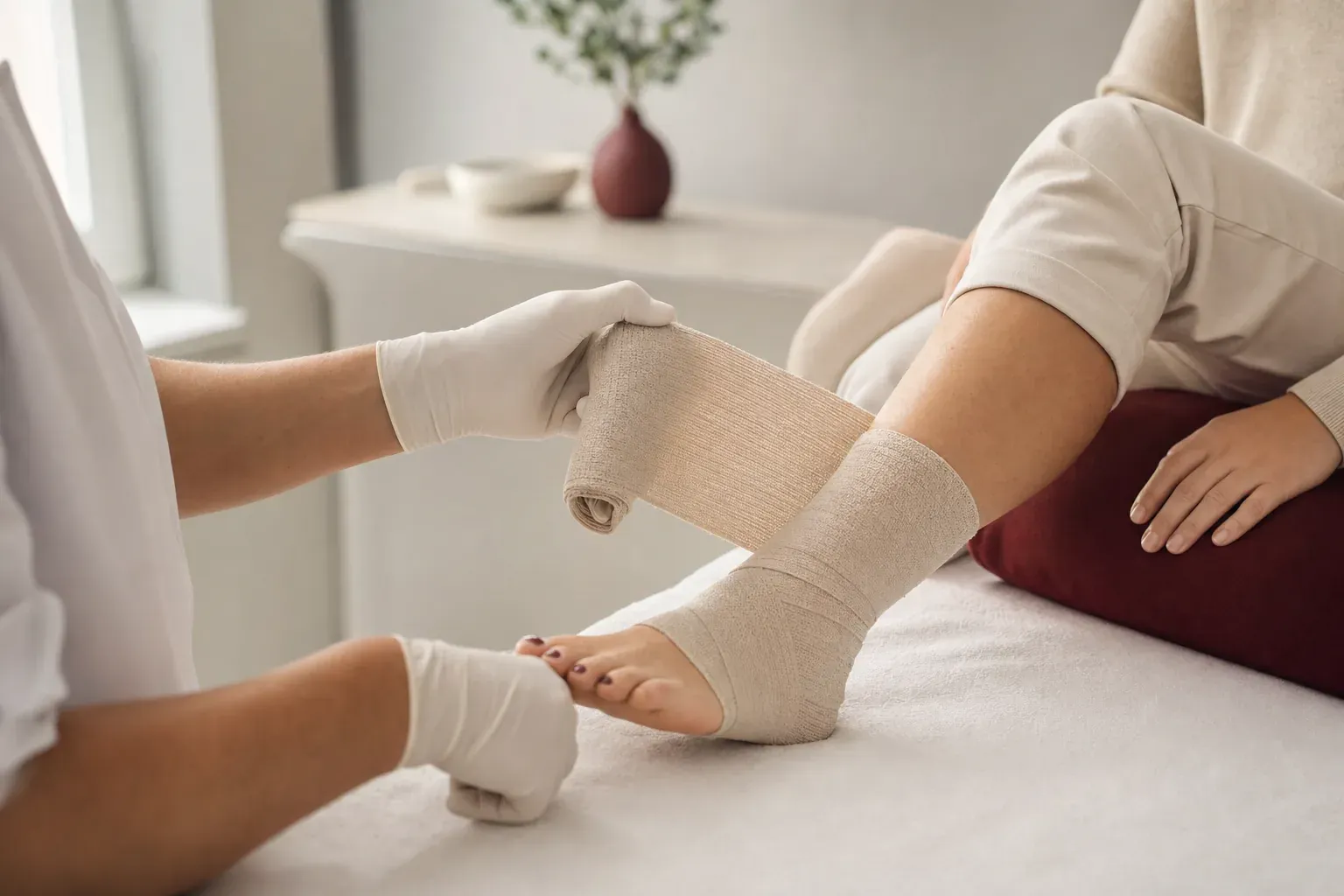
Ligament sprain: what to do and when to see a trauma doctor
In a sprain, some of the fibers in a ligament tear, so the joint hurts and swells, a bruise appears and moving it is painful. For the first 48 hours, rest the joint, apply cold through a cloth, wrap it in a moderately firm bandage and keep your leg raised. If you cannot stand on your leg or the joint looks deformed, go to a trauma unit (travmpunkt), where they will take an X-ray straight away. If the pain does not ease within a few days, see a trauma doctor to rule out a fracture or a torn ligament.

Cough in children: what to do and when to see a doctor
Most coughs in children come with a cold and usually clear up on their own within 3 to 4 weeks. Drinks, fresh humid air and rinsing the nose help, and the only cough medicine to give is one your pediatrician has recommended, at the dose for your child's age from the leaflet. If your child is struggling to breathe or breathing noisily, their lips turn blue, or they have choked on something and are struggling to breathe, call an ambulance on 103.
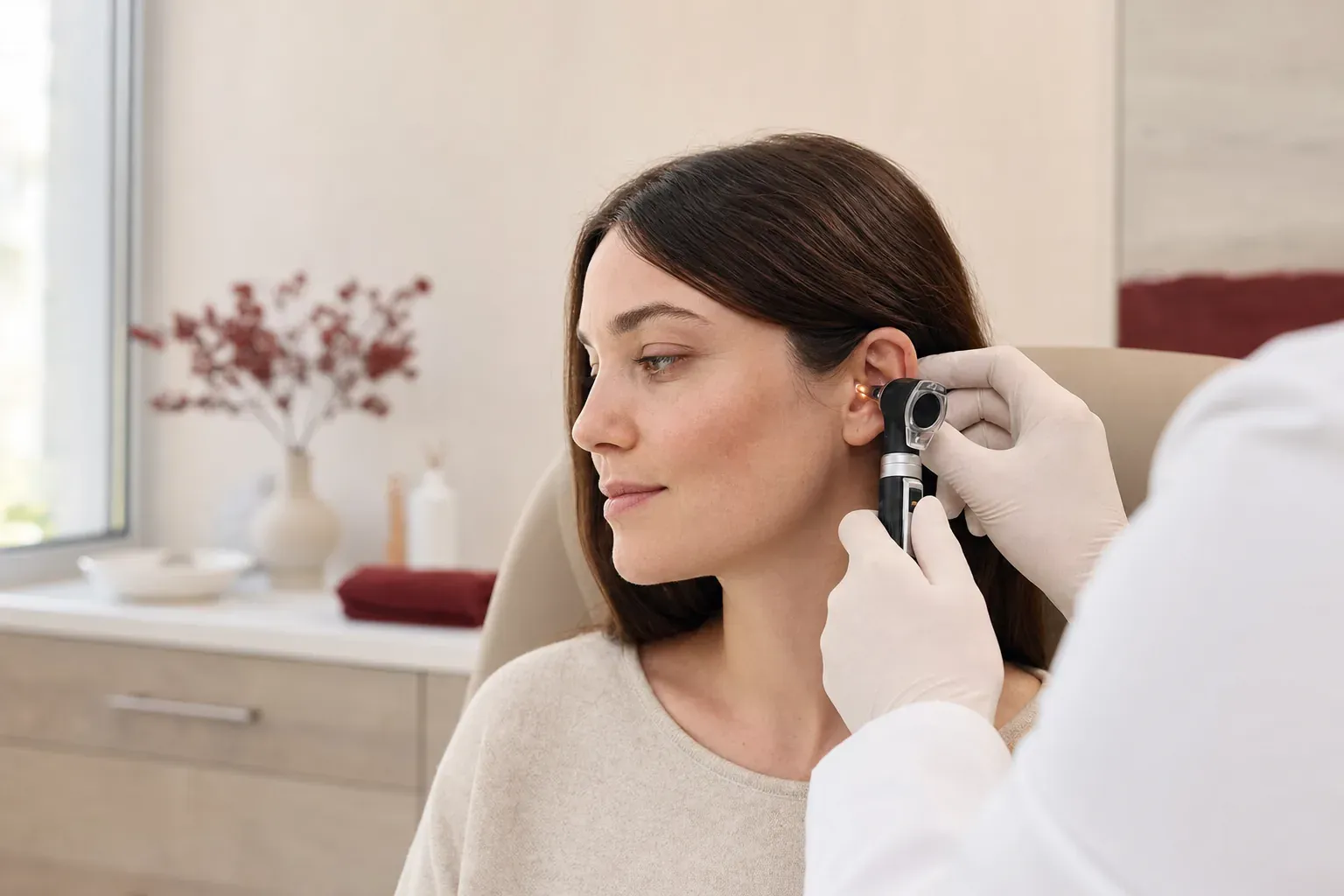
Ear infections: symptoms, treatment and what not to do at home
Otitis is inflammation of the ear. Otitis externa affects the skin of the ear canal, while otitis media develops behind the eardrum and most often starts after a cold. If your ear hurts, your hearing drops or fluid is coming out of your ear, see an ENT doctor and don't put anything in the ear before the exam.
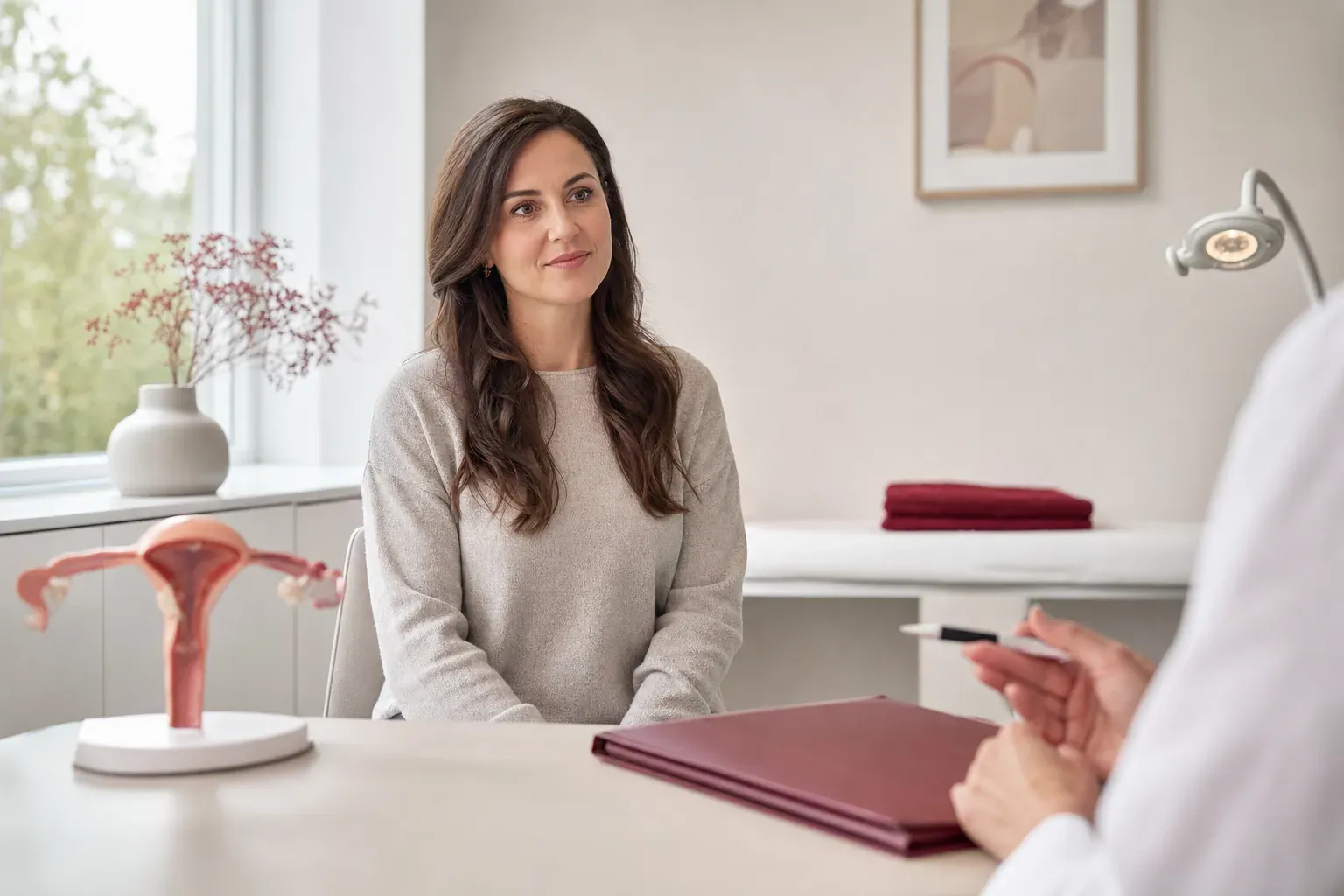
What a colposcopy is and how it is done
During a colposcopy, a gynecologist examines your cervix through a colposcope, an instrument with magnifying lenses and a bright light. The colposcope stands in front of the exam chair and is not inserted into the body, so it feels much like a routine pelvic exam. A colposcopy is done to take a closer look at changes found in a smear or on the cervix, and a biopsy can be taken during it if needed.

How to treat hemorrhoids at each stage
Hemorrhoid treatment depends on the stage and on which hemorrhoids are causing trouble. In the early stages, changes in diet and daily habits plus medicines prescribed by a doctor are usually enough. If that does not help, or hemorrhoids come out and have to be pushed back, a proctologist suggests minimally invasive procedures or surgery. The method is chosen after an exam, because other bowel conditions can cause similar symptoms.
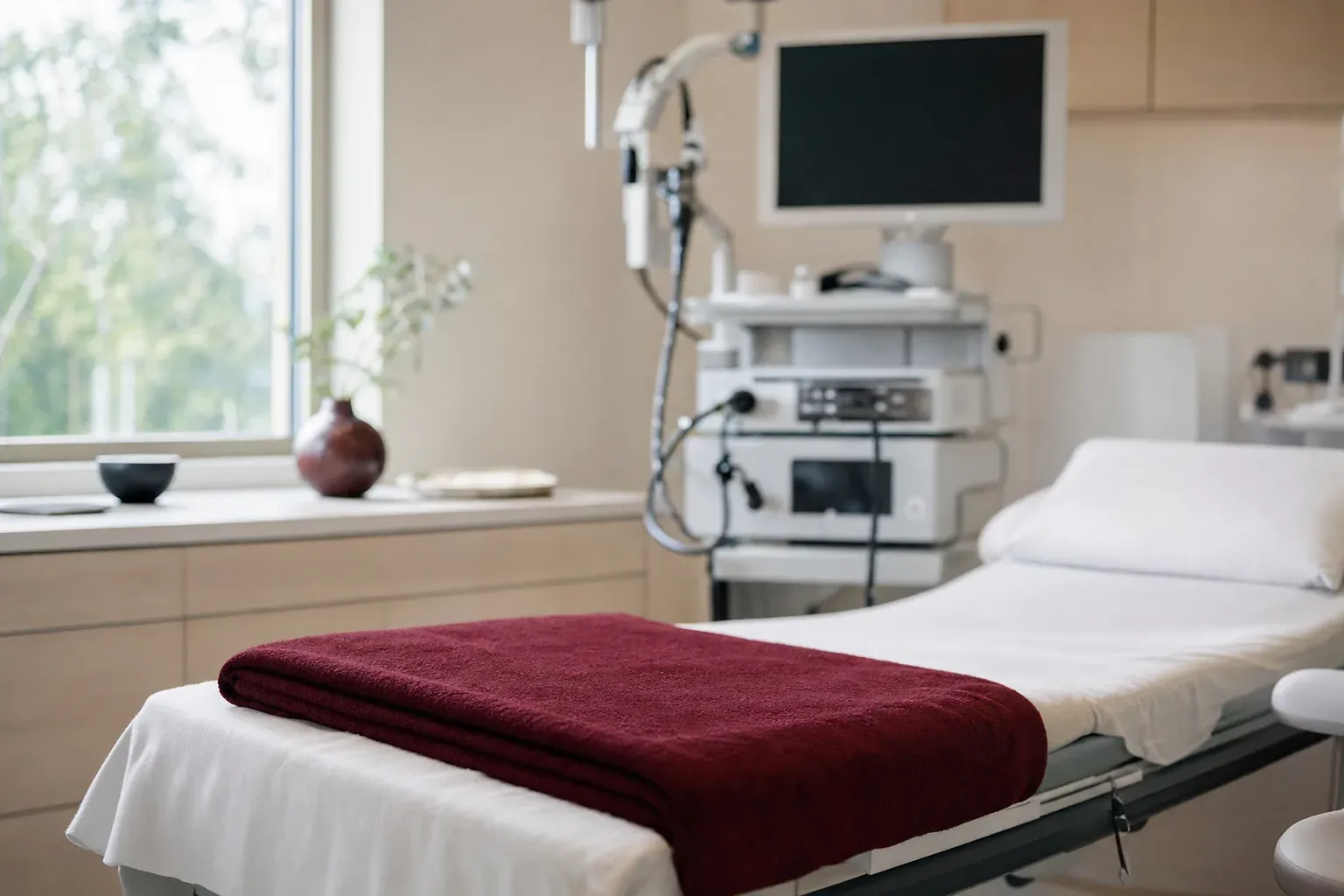
Colonoscopy: what it is, how to prepare and whether it hurts
During a colonoscopy, a doctor examines the inside of the large intestine with a thin, flexible tube that has a camera on the end. So that the doctor can see the whole lining, the bowel is cleared in advance: a few days before, you switch to low-fiber food, and the day before, you drink a bowel prep solution as your doctor instructs. Without anesthesia the test can be unpleasant, so you can have it under anesthesia.

How to prepare for an abdominal ultrasound
Come to an abdominal ultrasound on an empty stomach, usually after 6–8 hours without food, which is why the scan is easiest to schedule in the morning. You can drink a little plain water. If you often get bloated, cut out the foods that make it worse for 1–2 days before the scan.

Thyroid gland: symptoms, tests and when to have an ultrasound
The thyroid gland sits at the front of the neck, under the Adam's apple, and makes hormones that control metabolism, heart rate and body temperature. When it is underactive, people feel cold, tire quickly and gain weight; when it is overactive, they have a racing heart, sweating, weight loss and shaking hands. Testing usually starts with a TSH blood test, and the doctor adds free T4, antibodies or an ultrasound if needed.
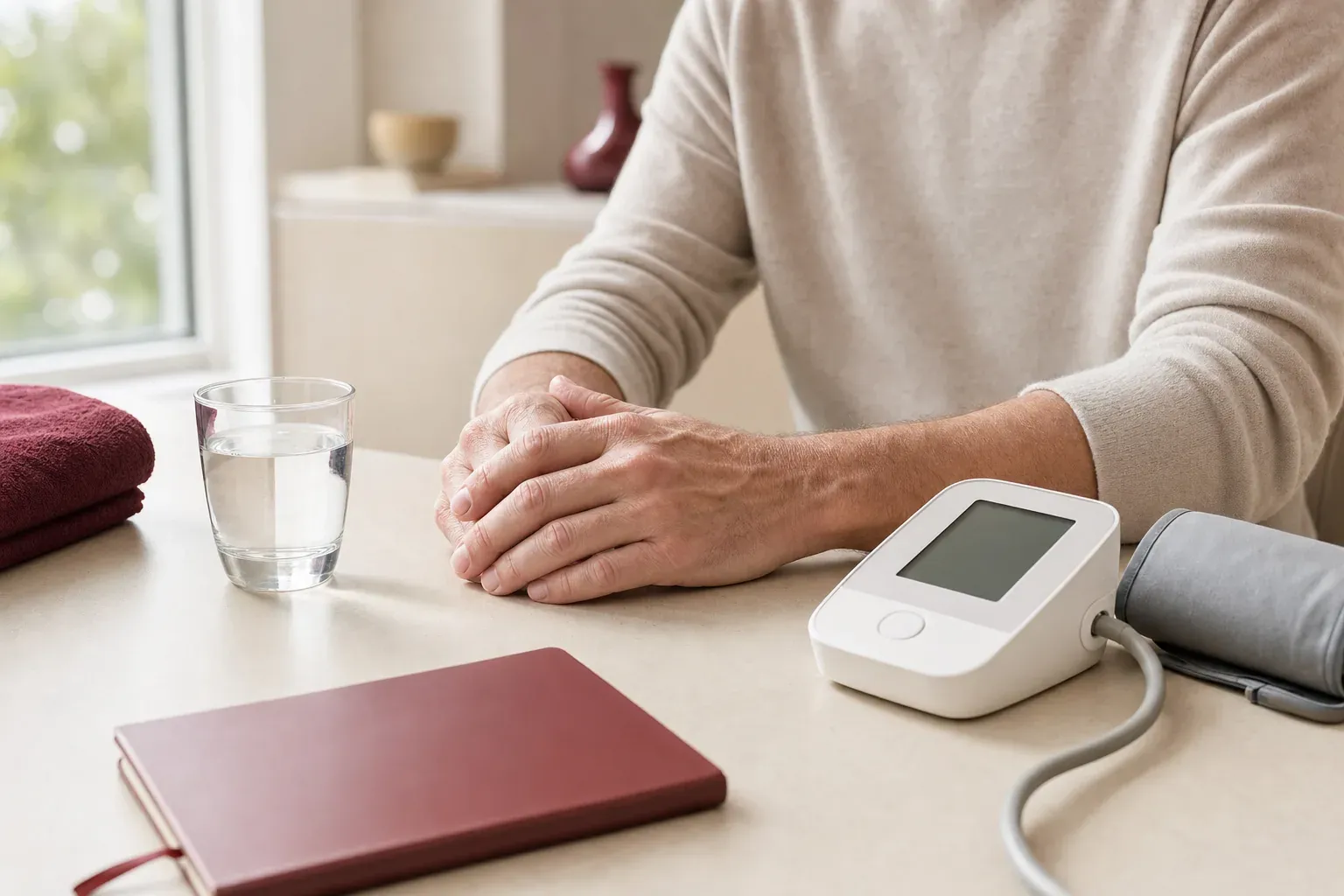
High blood pressure: what to do at home and how to lower it
If your monitor shows high blood pressure, sit down, rest quietly for 5 minutes and then measure again. If the numbers don't come down, take only the medicine your doctor has already prescribed for this situation, and contact your doctor the same day. Chest pain, shortness of breath, trouble speaking, weakness in an arm or a sudden severe headache with high blood pressure mean you should call an ambulance on 103 right away.

What is an internist and what do they treat?
An internist treats adults with general health complaints such as a fever, cough, high blood pressure, weakness or stomach pain. They manage long-term conditions, explain test results and refer you to a specialist when one is needed. If you're an adult and not sure which doctor to see, start with an internist.
What fibrocystic breast changes (mastopathy) are and whether they can be cured
Fibrocystic breast changes, often called mastopathy in Ukraine, are benign changes in breast tissue: the breasts swell and hurt before a period, and lumps or cysts can be felt in them. They happen because breast tissue reacts to monthly hormone changes, and they are common in women of reproductive age. Show any new lump to a mammologist, a doctor who specializes in breast health, so they can rule out other causes.
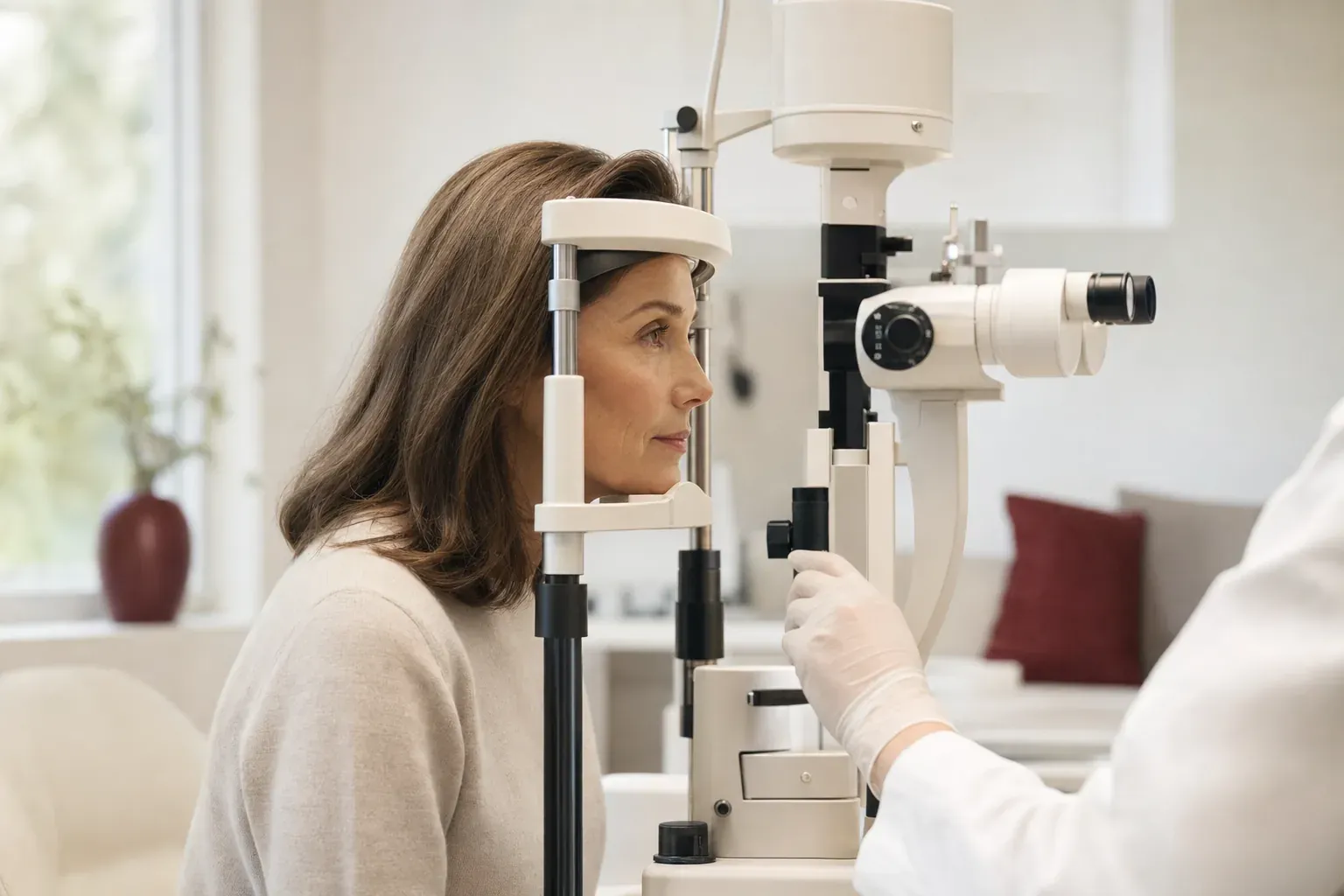
Ophthalmologist or oculist: what this eye doctor treats
An oculist and an ophthalmologist are the same doctor. In Ukraine, people say okulist (oculist) in everyday speech, while the official name of the specialty is ophthalmology. This doctor checks your vision and eye pressure and diagnoses and treats diseases of the eyes and eyelids.
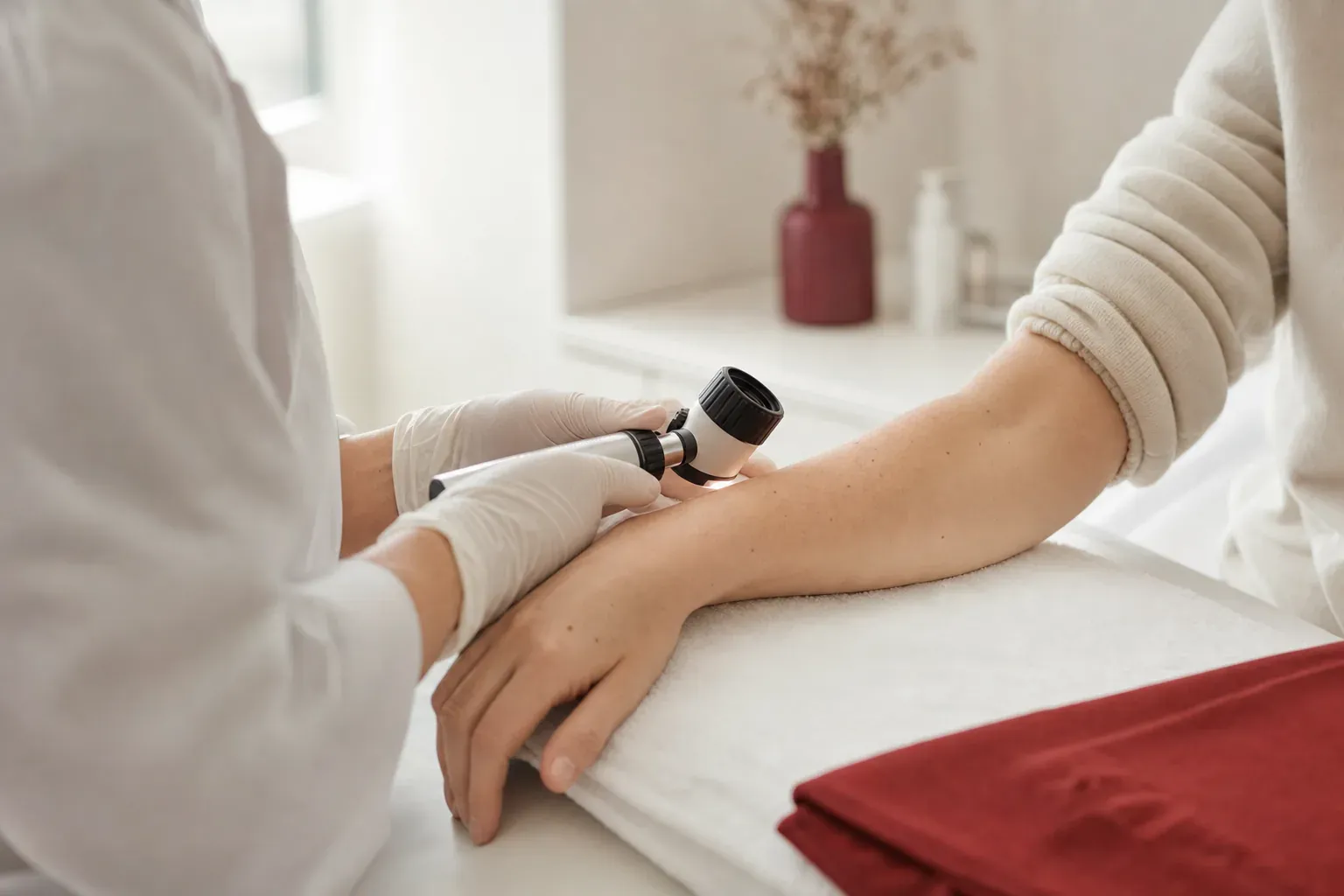
What lichen looks like on the skin and how it is treated
In Ukraine, people use the word lishai, usually translated as lichen, for several different skin conditions: fungal skin infections (ringworm), pityriasis versicolor, pityriasis rosea and shingles. They have different causes, so they need different medicines. Before putting anything on the patch, show it to a dermatologist, who will tell you which condition it is and how to treat it.
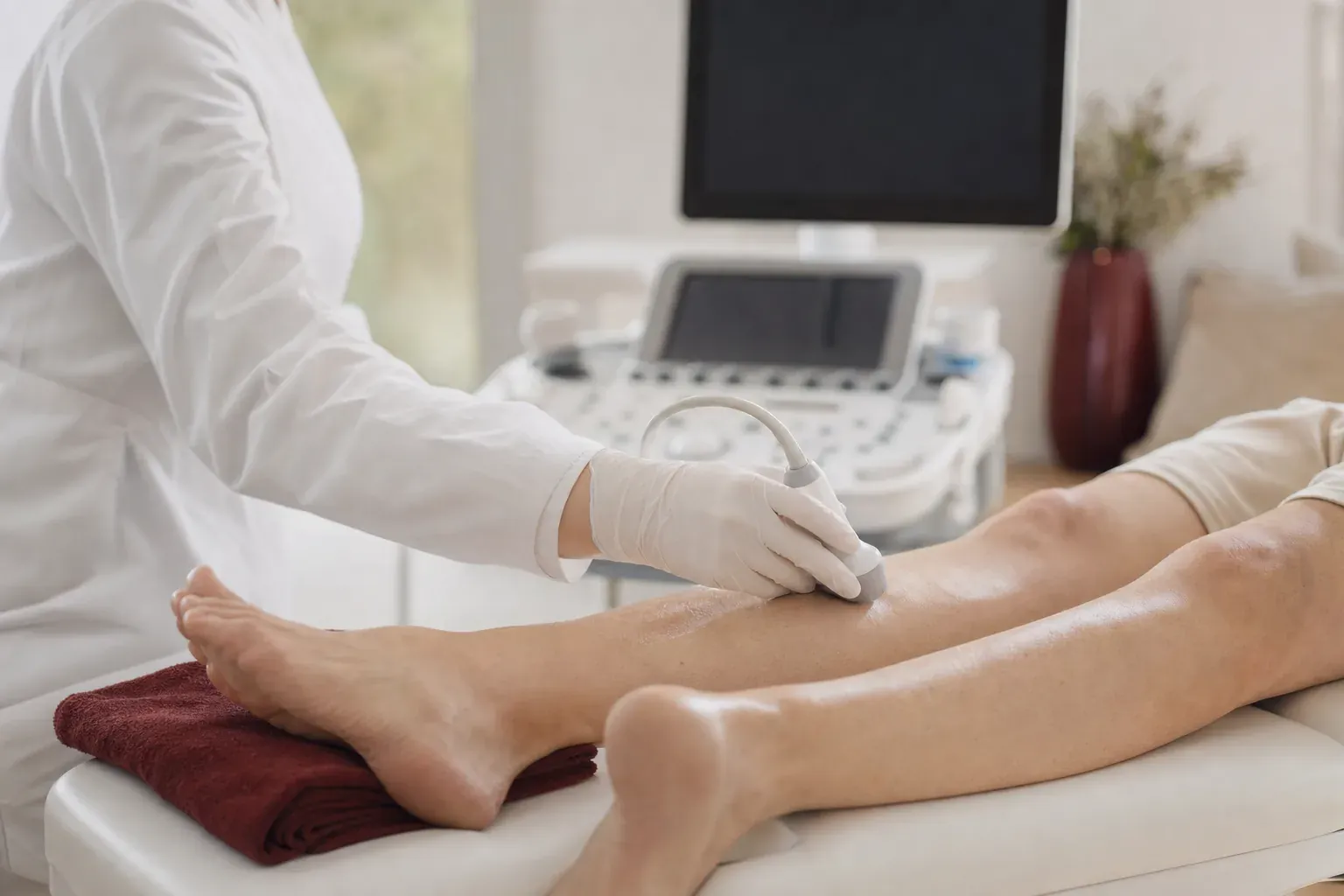
Varicose veins: what they are, early signs and treatment
Varicose veins are enlarged leg veins that develop when the valves inside them weaken and blood pools. The first signs are usually heavy, swollen legs in the evening, spider veins and night cramps, and later twisted veins become visible under the skin. Treatment starts with a vein ultrasound, and based on the results a vascular surgeon chooses compression, a minimally invasive procedure or surgery.

Cystitis: symptoms, tests and how it is treated
Cystitis is inflammation of the bladder, most often caused by bacteria. The typical signs are frequent, painful urges to urinate, a burning feeling when you urinate and pain in the lower abdomen. Treatment is prescribed by a doctor after a urine test, because an antibiotic left over from last time may not work on this bacterium and can make the urine culture result unreliable.

Traumatologist or orthopedist: who treats what and who to see
A traumatologist treats recent injuries: bruises, sprains, dislocations and fractures. An orthopedist deals with conditions and deformities of the bones, joints, spine and feet that develop gradually. In Ukraine this is a single medical specialty, so at Viva Clinic in Slavuta an orthopedic and trauma doctor sees you for both kinds of problems.

Fever in children: when to bring it down and when to call a doctor
Doctors usually call it a fever when a child's temperature is 38 °C (100.4 °F) or higher. Bring it down if the fever is making your child feel unwell, and only with a fever medicine your pediatrician has recommended, at the dose for your child's age given in the leaflet. Call an ambulance on 103 straight away if a baby under 3 months has a fever, or if your child has a rash that does not fade when pressed, struggles to breathe, is very drowsy or has a seizure.
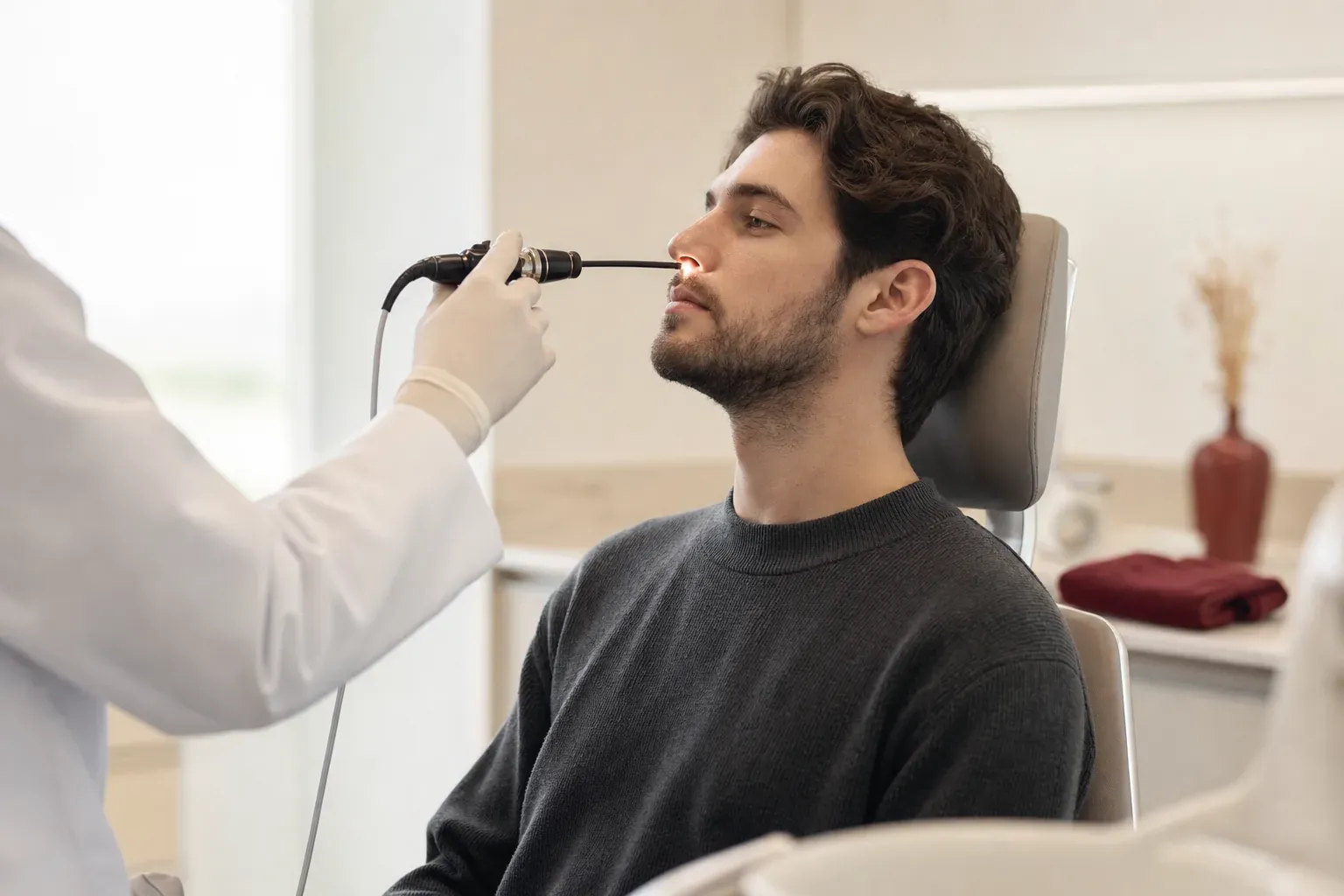
Sinusitis: symptoms, treatment and when you need an ENT doctor
Maxillary sinusitis is inflammation of the maxillary sinus, the air space in the cheekbone under each eye. It most often starts with a cold and clears up along with it. If a blocked nose, pain under the eyes and thick discharge last longer than 10 days, get worse after improving, or come with a high fever from the start, see an ENT doctor.

How long periods last and what counts as a normal menstrual cycle
A period usually lasts 2 to 7 days. For adult women, doctors consider a cycle of about 24 to 38 days normal, counting from the first day of one period to the first day of the next. If bleeding lasts longer than a week, your periods are very heavy, you bleed between them or your cycle suddenly changes, see a gynecologist.

What hemorrhoids are and how to spot the early signs
Hemorrhoids develop when the blood vessel cushions in the lower rectum swell, bleed or slip out through the anus. Early on, they usually cause itching and discomfort around the anus and bright red blood on the toilet paper after a bowel movement. Always have rectal bleeding checked by a proctologist, because other bowel conditions cause the same symptom.

What gastritis is and how it is treated
Gastritis is inflammation of the stomach lining. It is most often caused by the bacterium Helicobacter pylori or by long-term use of anti-inflammatory painkillers, and less often by alcohol and other factors. Treatment depends on the cause, so the doctor first confirms the diagnosis with an exam, lab tests and, if needed, a gastroscopy.

Holter ECG and 24-hour blood pressure monitoring: what they are and how they work
During Holter monitoring, a small device that you wear continuously records your ECG or regularly measures your blood pressure for 24 hours, or longer if needed. A standard ECG takes a few minutes, while a Holter shows how your heart and blood pressure behave during the day, at night, while walking and while sleeping. Viva Clinic in Slavuta offers both, a Holter ECG and 24-hour blood pressure monitoring, at the polyclinic at 27a Sobornosti St by appointment.

High blood sugar: normal levels, causes and what to do
Doctors usually consider a fasting glucose under 5.6 mmol/L in blood taken from a vein to be normal. Diabetes is diagnosed when repeated tests show 7.0 mmol/L or higher, or glycated hemoglobin (HbA1c) is 6.5% or higher, and the values in between are called prediabetes. A doctor makes the diagnosis based on several tests, so if your result is high, repeat the test and book an appointment.

What blood pressure is normal for adults
Doctors consider a blood pressure of about 120/80 mmHg normal for an adult. Hypertension is diagnosed when repeated readings in the doctor's office are 140/90 or higher, or home readings are 135/85 or higher. These limits are the same for adults of any age, and if you need treatment, your doctor sets your personal target.
Message or call us
Our administrators will help you choose a doctor and a convenient time.