



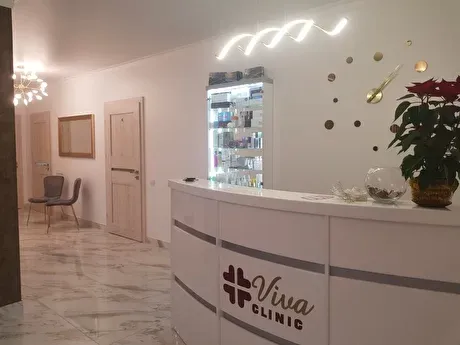
Aesthetic medicine
16b/3 Kuzovkova St, Slavuta, Khmelnytskyi Oblast
Mon–Fri 9:00–18:00
Open in Google MapsAesthetic medicine
A chemical peel removes dead skin cells with an acid solution and is chosen for pigmentation, post-acne marks, and oily or breakout-prone skin. The Viva Clinic aesthetic medicine center in Slavuta, at 16b/3 Kuzovkova St, offers superficial and medium-depth PEEL-EXPERT peels and PRX-T33, and a cosmetic doctor will tell you which one suits your skin. You can book by phone, on Viber or Telegram.
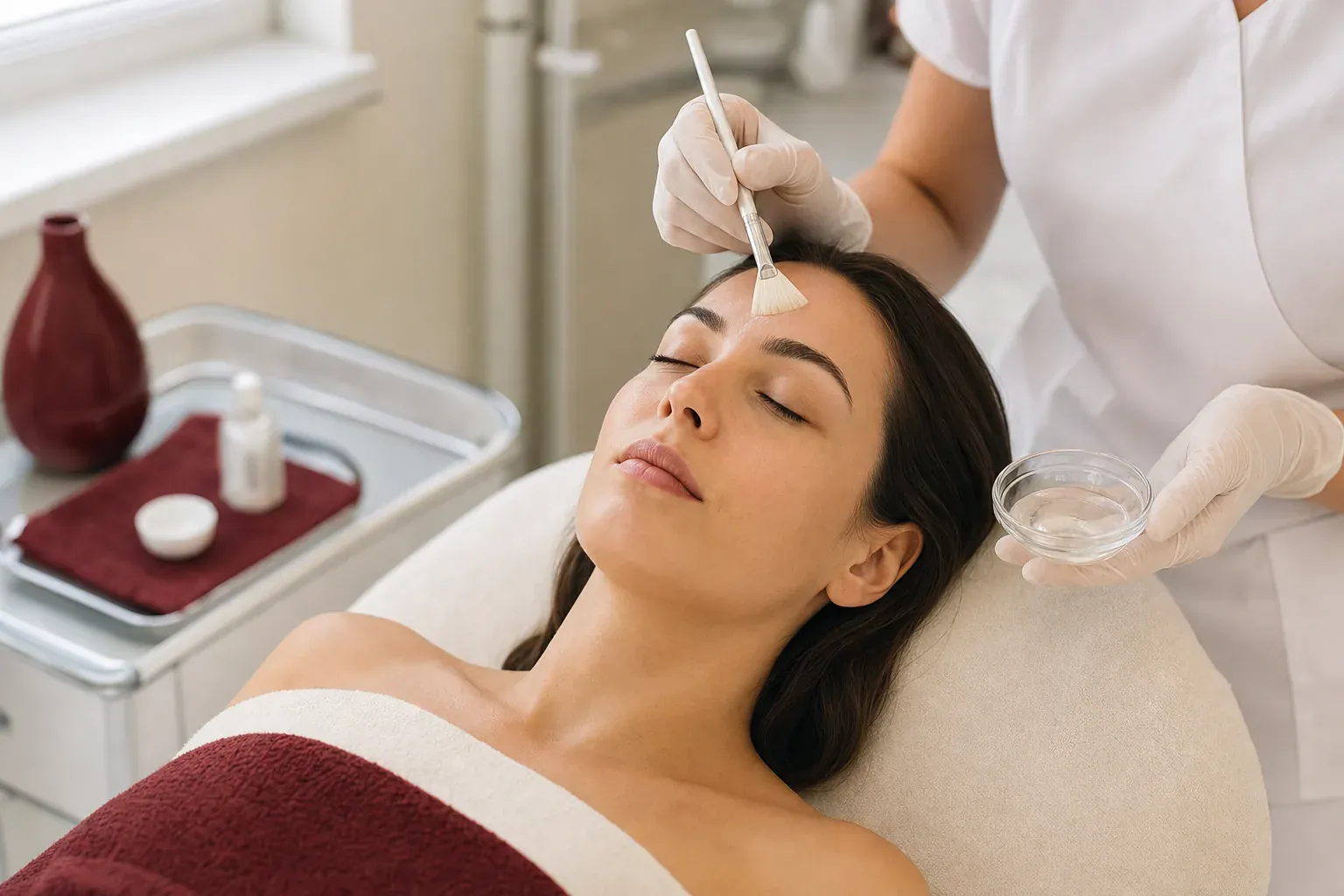
A cosmetic doctor makes the final choice after examining your skin.
A PEEL-EXPERT combination peel with several acids. It is chosen for sensitive or dry skin and for skin with broken capillaries.

Salicylic acid dissolves in sebum, so it gets into the pores and helps clear them. These peels are chosen for oily, breakout-prone skin.

Used for dark spots and post-acne marks. The marks fade gradually, so a course is usually needed, and results vary from person to person.

A single-acid glycolic peel is recommended when the skin lacks firmness and fine lines appear. Like other peels, it is usually done as a course.
Needle-free biorevitalization: the product is applied to the skin, and nothing is injected. A cosmetic doctor will advise whether PRX-T33 or injections suit you better.
The Viva Clinic aesthetic medicine center works with the PEEL-EXPERT line. Superficial peels act in the upper layers of the skin. Medium-depth peels go deeper, so the skin flakes more visibly afterwards and takes longer to recover. The line includes combination peels with several acids and single-acid peels with glycolic or salicylic acid.
Peels are done on the face and, if needed, on the neck and chest. There’s also PRX-T33, known as needle-free biorevitalization. Injectable biorevitalization is done by a cosmetic doctor.
Chemical peels are also among the treatments men come for most often. Our page on cosmetology for men describes what else they choose.
First, a cosmetic doctor examines your skin, checks for contraindications and chooses the peel. Tell them if you are pregnant or breastfeeding, have allergies or take any medication. Some medicines, including acne medication, make the skin more sensitive, and this affects the choice of peel. Medium-depth peels are usually not done while you’re taking isotretinoin or for six months after the course. Also mention any cleansing, injections or another peel you’ve had recently, since you need a break between procedures.
The skin is cleansed and the solution is applied, and the specialist keeps track of how long it stays on. You feel tingling or burning that soon passes. During a medium-depth peel, the sensations are stronger. If the burning becomes sharp, say so right away.
On the specialist’s advice, a peel is combined with manual facial cleansing. For acne, a peel complements the treatment a dermatologist prescribes. Our article about acne explains how to care for breakout-prone skin. If inflamed breakouts don’t go away for a long time, see a dermatologist first.
Most peels are planned for autumn and winter, when the sun is gentler. After the procedure, the skin is more sensitive to UV light, and dark spots appear on it more easily. Medium-depth peels are not done in summer, while some superficial peels can be done in the warm season if your doctor agrees and you apply SPF every day.
Superficial peels are done as a course, one to four weeks apart depending on the product. After a medium-depth peel, the skin takes one to two weeks to heal, and you need to avoid the sun the whole time. So plan it for weeks with no celebrations or trips. Dark spots and post-acne marks fade gradually, and results vary from person to person.
For a few days after a superficial peel, your skin may look pink, feel tight and flake a little. Don’t pick at the flakes, apply SPF every day, and put off scrubs, home acid products and retinol until the specialist says you can. The rest of the aftercare rules and the situations when a peel is postponed are in our article about facial peels.
Contact a doctor the same day if you get blisters, weeping skin or crusts, or if swelling and pain get worse. If your lips, tongue or face swell and breathing becomes difficult, call an ambulance on 103 right away.
For oily, breakout-prone skin, peels with salicylic acid are usually chosen. Salicylic acid dissolves in sebum, so it gets into the pores and helps clear them. A cosmetic doctor makes the final choice after examining your skin, taking inflammation and sensitivity into account.
Medium-depth peels are not done in summer. Some superficial peels can be done in the warm season if your doctor agrees and you apply SPF every day. Most peels are planned for autumn and winter, because the skin is more sensitive to the sun after the procedure.
Peels are usually done as a course. Superficial peels are one to four weeks apart depending on the product, and after a medium-depth peel the skin takes one to two weeks to heal. Dark spots and post-acne marks fade gradually, so a cosmetic doctor decides how many sessions you need after examining your skin.
At Viva Clinic, PRX-T33 is done as needle-free biorevitalization. The product is applied to the skin, and nothing is injected. A cosmetic doctor will advise at a consultation whether PRX-T33 or injectable biorevitalization suits your skin better.
Yes, your first peel starts with a skin check. A cosmetic doctor assesses your skin, checks for contraindications, asks about medication and previous treatments and then chooses the peel. If you're not sure whether you need a peel, book a consultation first.
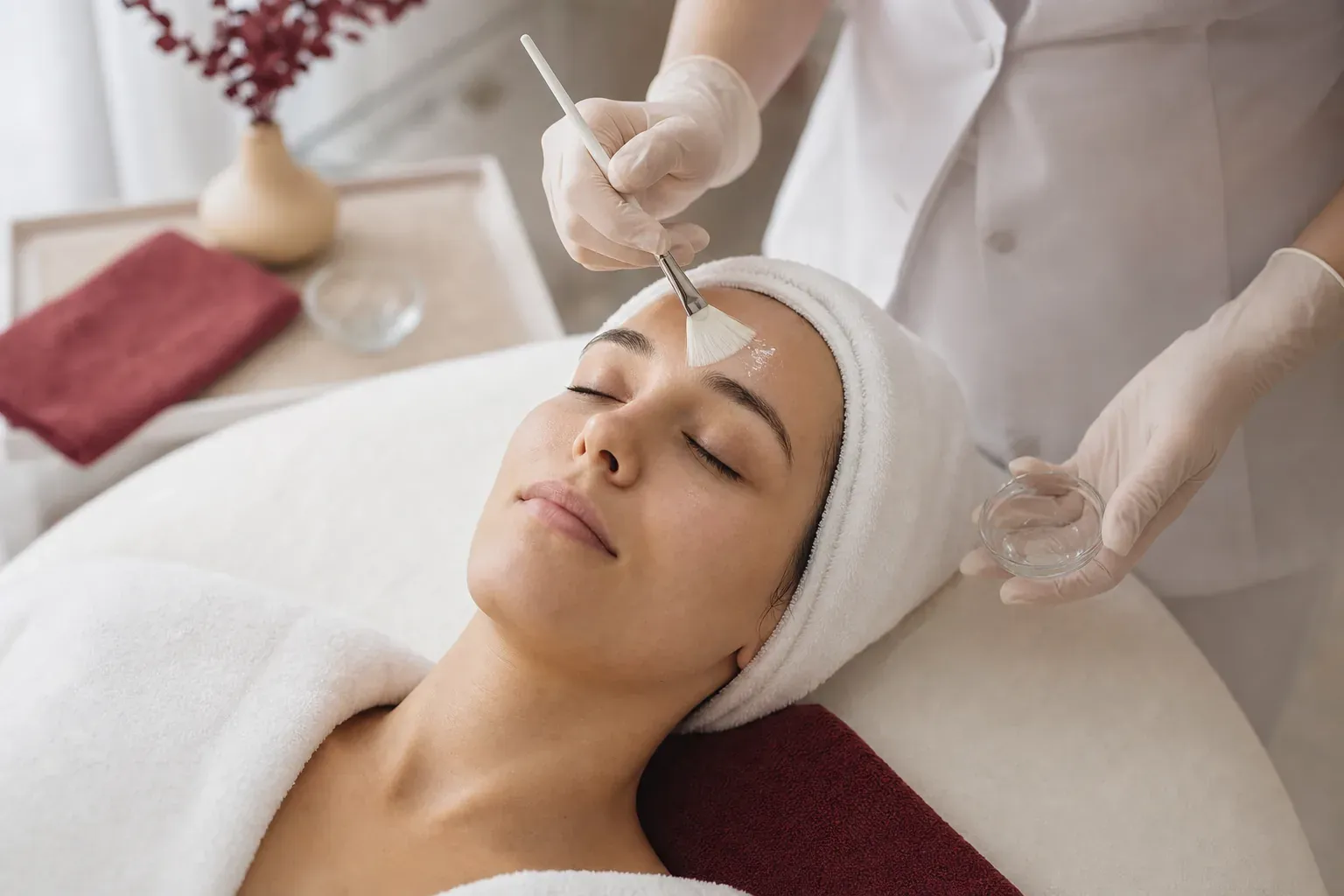
A facial peel removes the top layer of dead skin cells, most often with acid solutions. Superficial peels are usually done as a course of several sessions, and medium-depth peels less often, because the skin takes longer to recover after them. A cosmetic doctor decides how many sessions you need and how far apart after examining your skin.
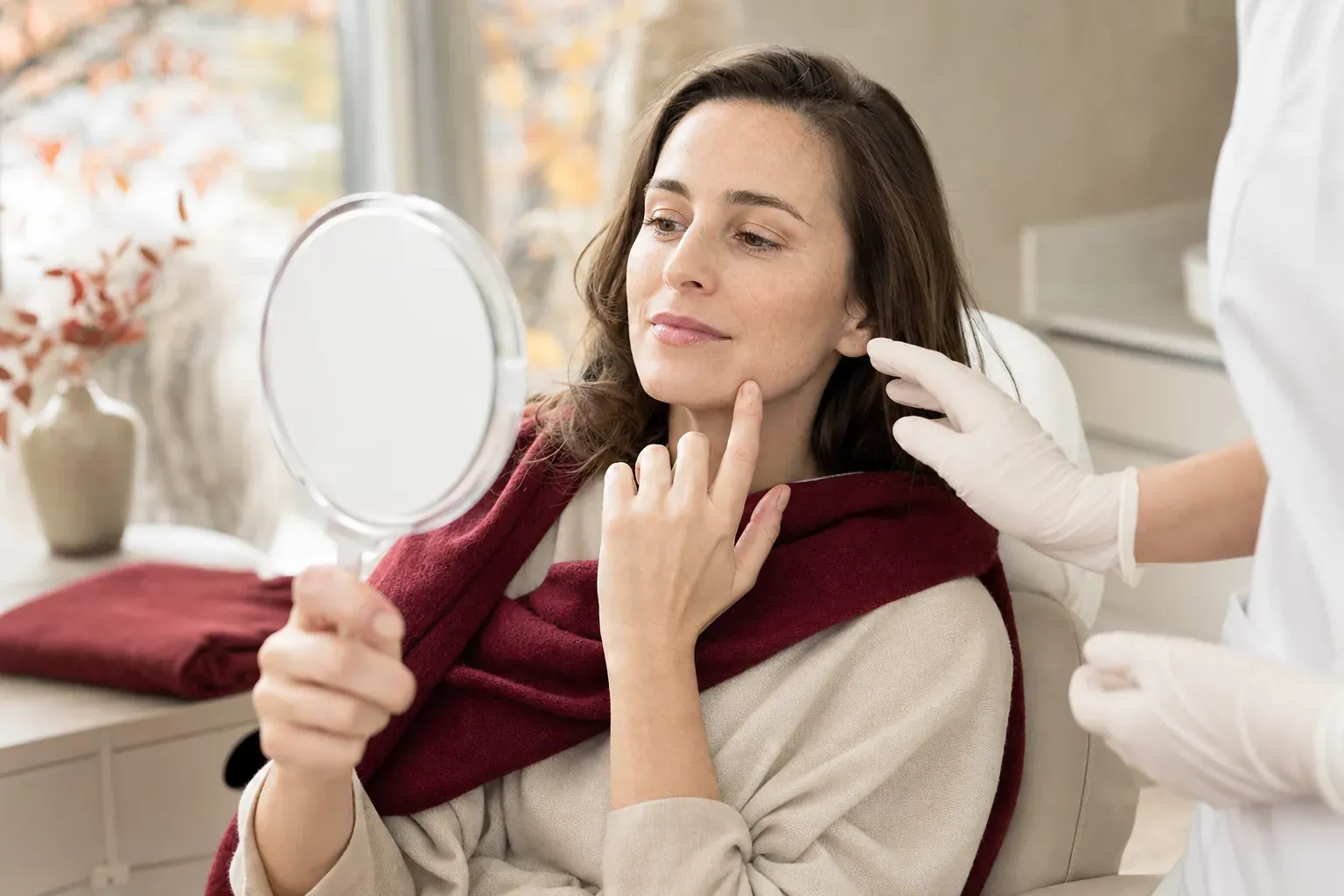
A chemical peel can lighten dark spots on the face: marks left after breakouts, solar lentigines and freckles. Spots fade gradually over a course of treatments and darken again without daily SPF, and melasma tends to come back even after successful treatment. Show any new spot that is growing or changing color or shape to a dermatologist first.

Post-acne is the general name for what acne leaves behind: marks where the inflammation was and scars, which are dents in the skin. Marks usually fade over time, and peels and daily SPF help with that, while scars don't go away on their own. At Viva Clinic in Slavuta, acne scars are made less noticeable with plasma lifting once breakouts are under control.

Facial care at a cosmetologist's starts with a skin check: the specialist assesses your skin type and condition, asks about allergies and medication and suggests a treatment plan. How often you come depends on your skin and the treatment; manual cleansing, for example, is usually done no more than once a month. If you have inflamed breakouts or a mole has changed, see a dermatologist first.
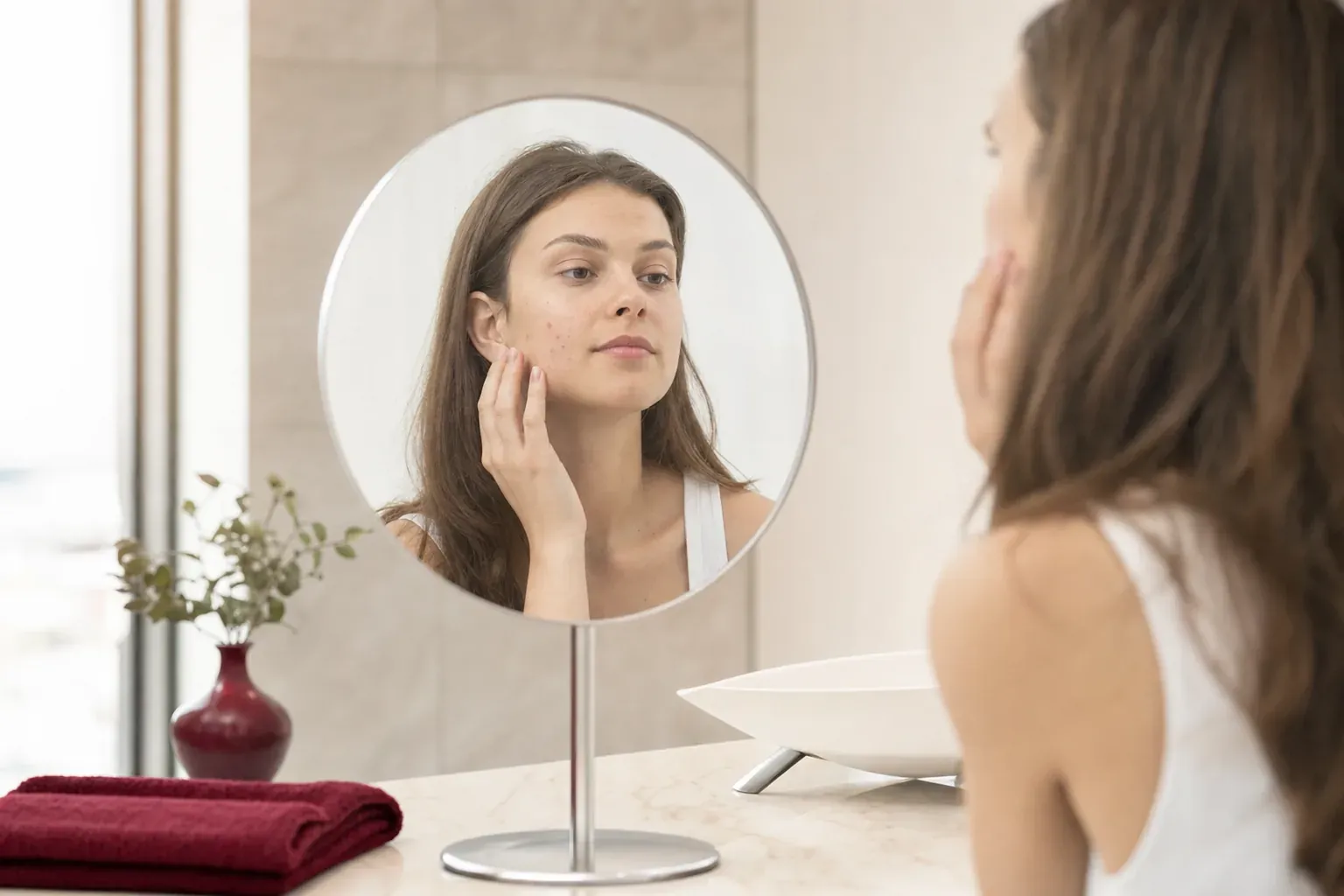
Acne is a chronic inflammation of the oil glands and hair follicles. It shows up as blackheads and pimples, and sometimes as painful lumps on the face, chest or back. Mild acne can often be kept under control with skincare, but if lumps or scars appear, a dermatologist chooses the treatment.

Ultrasonic facial cleansing gently removes dead skin cells, excess sebum and light pore congestion using a device with a vibrating metal blade. It's recommended for thin, sensitive and dry skin, and it usually leaves no noticeable redness, so it can be done at any time of year. Your cosmetologist decides how often to repeat it after examining your skin.
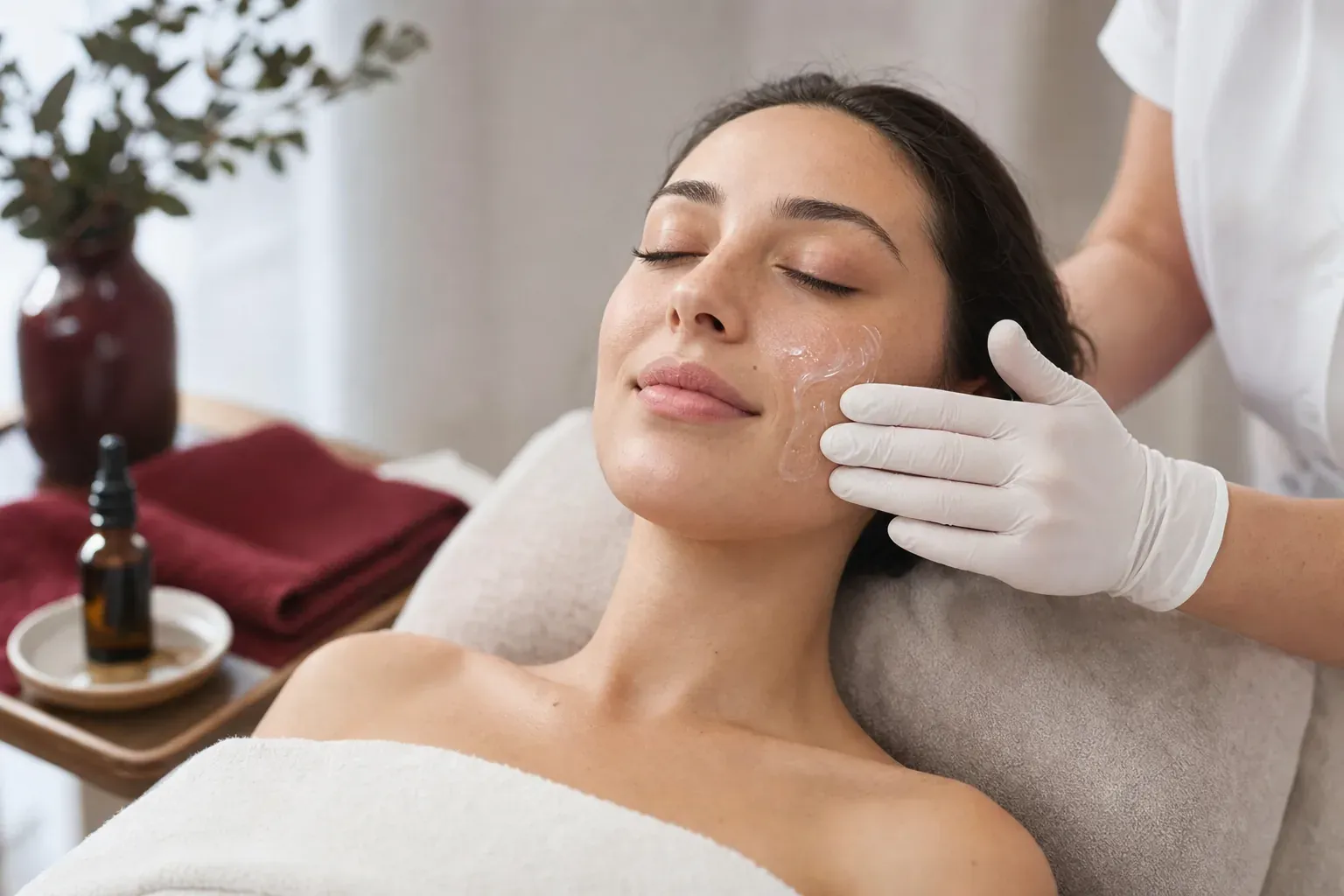
PRX-T33 is known as needle-free biorevitalization: a product with 33% trichloroacetic acid, hydrogen peroxide and kojic acid is applied to the skin and rubbed in, and nothing is injected. Technically it's a peel, but it usually doesn't cause noticeable peeling. At Viva Clinic in Slavuta, PRX-T33 is done after an examination by a cosmetic doctor.
16b/3 Kuzovkova St, Slavuta, Khmelnytskyi Oblast
Mon–Fri 9:00–18:00
Open in Google MapsViva Clinic ratings on Google Maps and recent patient reviews. If you have visited us, please leave a review.
16b/3 Kuzovkova St, Slavuta
4.127 reviews
Our administrators will help you choose a doctor and a convenient time.