Biorevitalization: what it is and how many sessions you need
Biorevitalization means injecting hyaluronic acid into the skin to hydrate it from within. It's usually a course of several sessions, and a cosmetic doctor works out how many you need after examining your skin. At Viva Clinic in Slavuta, biorevitalization is done by a cosmetic doctor and only after a consultation.

Published Updated 4 min read
How biorevitalization works
Hyaluronic acid occurs naturally in the skin. It holds on to water, which keeps the skin hydrated and firm. As we age, the skin has less of it. Summer sun and dry air during the heating season also dehydrate the skin, so it looks dull and feels tight.
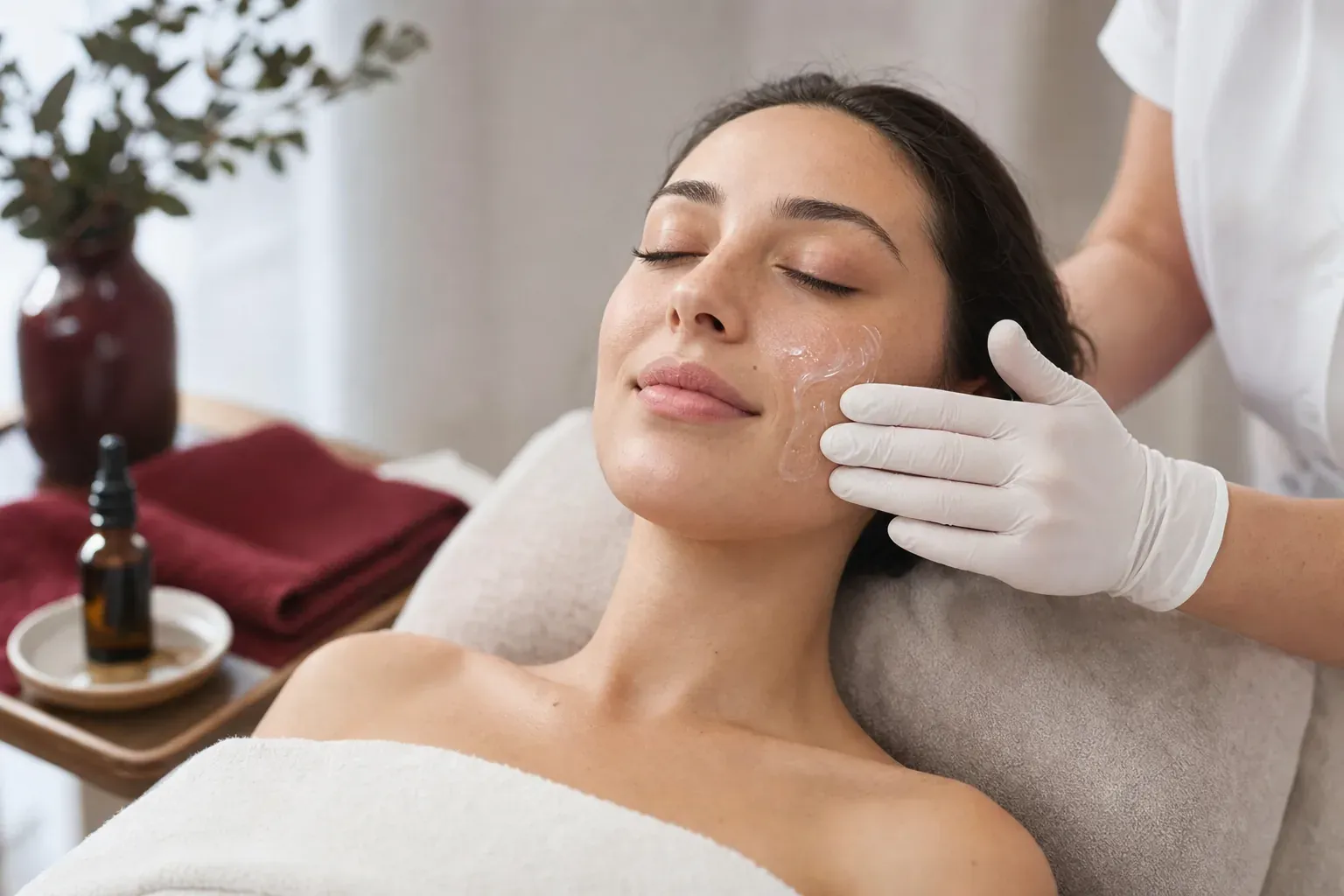
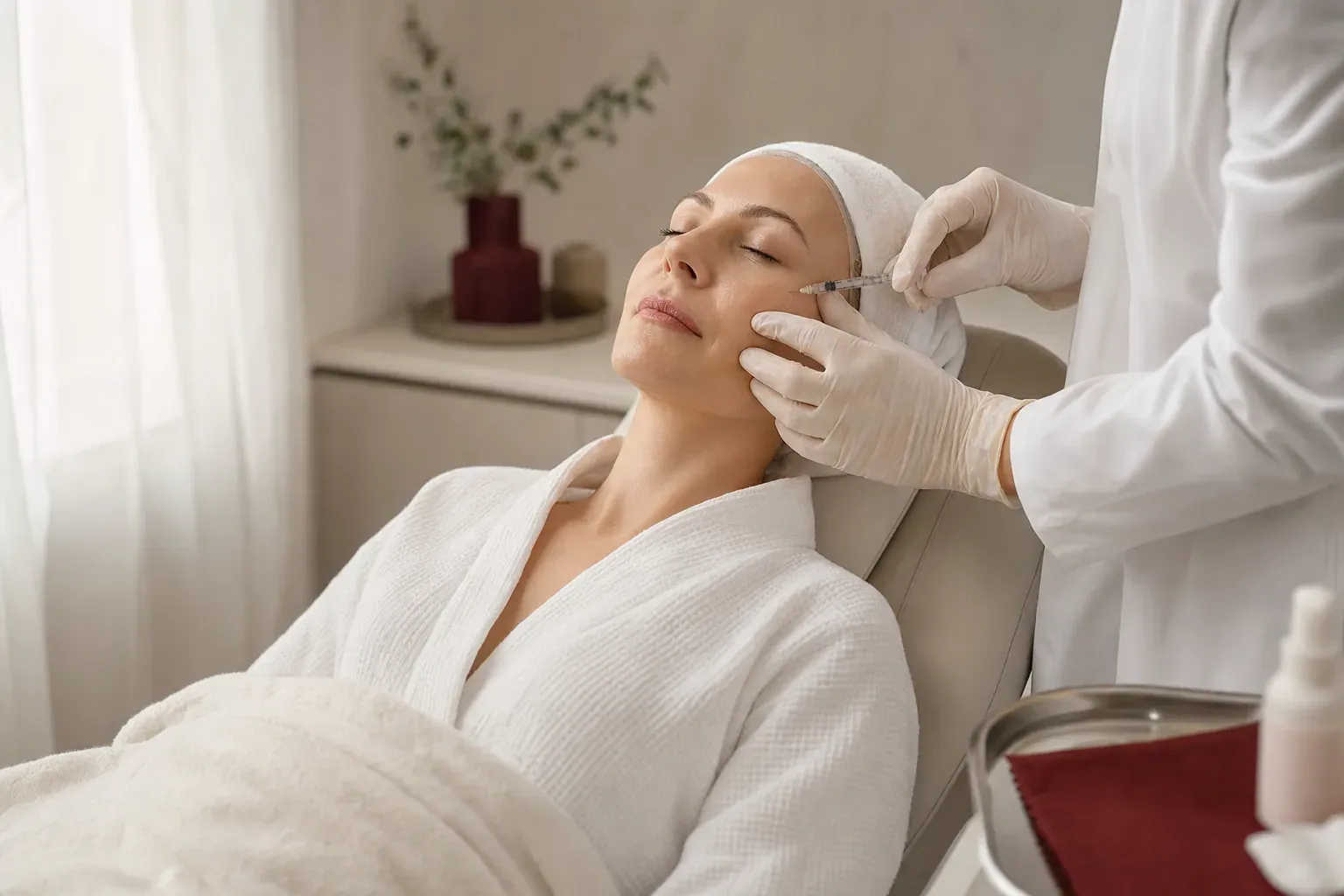
Before the procedure, the skin is cleansed and treated with an antiseptic. The doctor then injects a hyaluronic acid product with a fine needle, in small amounts across the whole area. The product is fluid and spreads within the skin, so the shape of your face and its volume don’t change. Small bumps remain at the injection sites and usually go away within a few days.
Skin is called dry when it lacks oil, and dehydrated when it lacks water. Even oily skin can be dehydrated, and biorevitalization targets the lack of water.
Mesotherapy or biorevitalization: what’s the difference
Both are injections into the skin, and at Viva Clinic both are done by a cosmetic doctor. They differ in the product and the goal.
Biorevitalization uses hyaluronic acid products, and the main goal is to hydrate the skin. Mesotherapy uses cocktails that may contain vitamins, amino acids, hyaluronic acid and other substances. The doctor chooses the formula for a specific concern, and mesotherapy is also done on the scalp.
Biorevitalization is sometimes confused with dermal fillers because both often use hyaluronic acid. Fillers are thicker: they fill wrinkles and folds and add volume to the lips, cheekbones or chin. That’s how dermal fillers at Viva Clinic work. Biorevitalization adds no volume and doesn’t change your features.
If you’d rather avoid needles, the aesthetic medicine center offers oxygen and needle-free mesotherapy. A cosmetic doctor will tell you at the consultation which of these suits your skin.
Who biorevitalization suits and how many sessions you need
Biorevitalization is recommended when the skin is dehydrated, has lost firmness, looks dull or has fine lines. Dehydrated skin often feels tight after washing and tends to flake. Biorevitalization won’t fix deep wrinkles or lost volume; those are treated with other methods, such as fillers.
Sessions in a course are usually a few weeks apart. The number of sessions depends on your skin, your age and the product, and a cosmetic doctor plans the course after examining you.
Before the course, the doctor asks about any illnesses, medication and allergies and explains how to prepare. If you’ve had injections or peels before, say which ones and when.
Who shouldn’t have biorevitalization
The procedure is not done or is postponed:
- during pregnancy and breastfeeding;
- with active herpes or skin inflammation in the injection area;
- with an acute infection or a fever;
- with blood clotting disorders or while taking anticoagulants;
- with an allergy to any component of the product;
- during a flare-up of a chronic illness.
Tell your doctor about every medication you take. Don’t stop medicines prescribed by another doctor on your own, even if they affect blood clotting. That decision is made together with the doctor who prescribed them.
How to prepare and what to avoid after biorevitalization
Don’t schedule the procedure right before a celebration or a photo shoot: bumps, redness or small bruises at the injection sites can last a few days. It’s best to avoid alcohol the day before. Your doctor will give you other preparation advice at the consultation.
Don’t knead or massage the bumps after the injections; they’ll go away on their own. After the procedure:
- don’t wear makeup on the first day, and don’t touch your face unless you need to;
- for a few days, avoid saunas, bathhouses and pools, and put off workouts;
- avoid tanning, and apply SPF when you go outside;
- have peels or facial massage only when your doctor allows it.
Contact a doctor the same day if swelling and pain get worse, the skin in the injection area becomes hot and red, or you notice pus or a fever. If your lips, tongue or throat swell and breathing becomes difficult, call an ambulance on 103 right away.
The consultation and biorevitalization at Viva Clinic take place at the aesthetic medicine center at 16b/3 Kuzovkova St in Slavuta. You can book by phone, on Viber or Telegram.
Questions and answers
Does biorevitalization hurt?
There's usually no severe pain, although you do feel the injections. The product goes in through a fine needle, and how it feels depends on the area and your pain threshold. If you're sensitive to pain, tell your doctor at the consultation, and they'll suggest how to make the procedure more comfortable.
How long does biorevitalization last?
It varies from person to person. Hyaluronic acid breaks down in the skin over time, so the effect gradually wears off. How long it lasts for you depends on your skin, the product and your lifestyle. Your doctor will discuss an approximate time frame and whether you need maintenance sessions after the course.
What is PRX-T33 and how is it different from biorevitalization?
At Viva Clinic, PRX-T33 is offered as needle-free biorevitalization. It's a peel: the product is applied to the skin, and nothing is injected. A cosmetic doctor will advise you at the consultation whether injections or PRX-T33 will suit your skin better.
When will I see the results of biorevitalization?
It's worth judging your skin once the bumps and redness from the injections have gone, which takes a few days. Hydration and firmness are more noticeable after a full course than after one session. How much your skin changes depends on its condition, so results vary.