


Abdominal ultrasound
During an abdominal ultrasound, the doctor examines your liver, gallbladder and bile ducts, pancreas and spleen.
Specialist care
The Viva Clinic polyclinic in Slavuta, at 27a Sobornosti St, offers ultrasound, ECG, Holter monitoring and spirometry, and gastroscopy and colonoscopy are available at the clinic by appointment. Patients come with a doctor’s referral or for a preventive check. You can book by phone or on Viber, with no waiting in line.
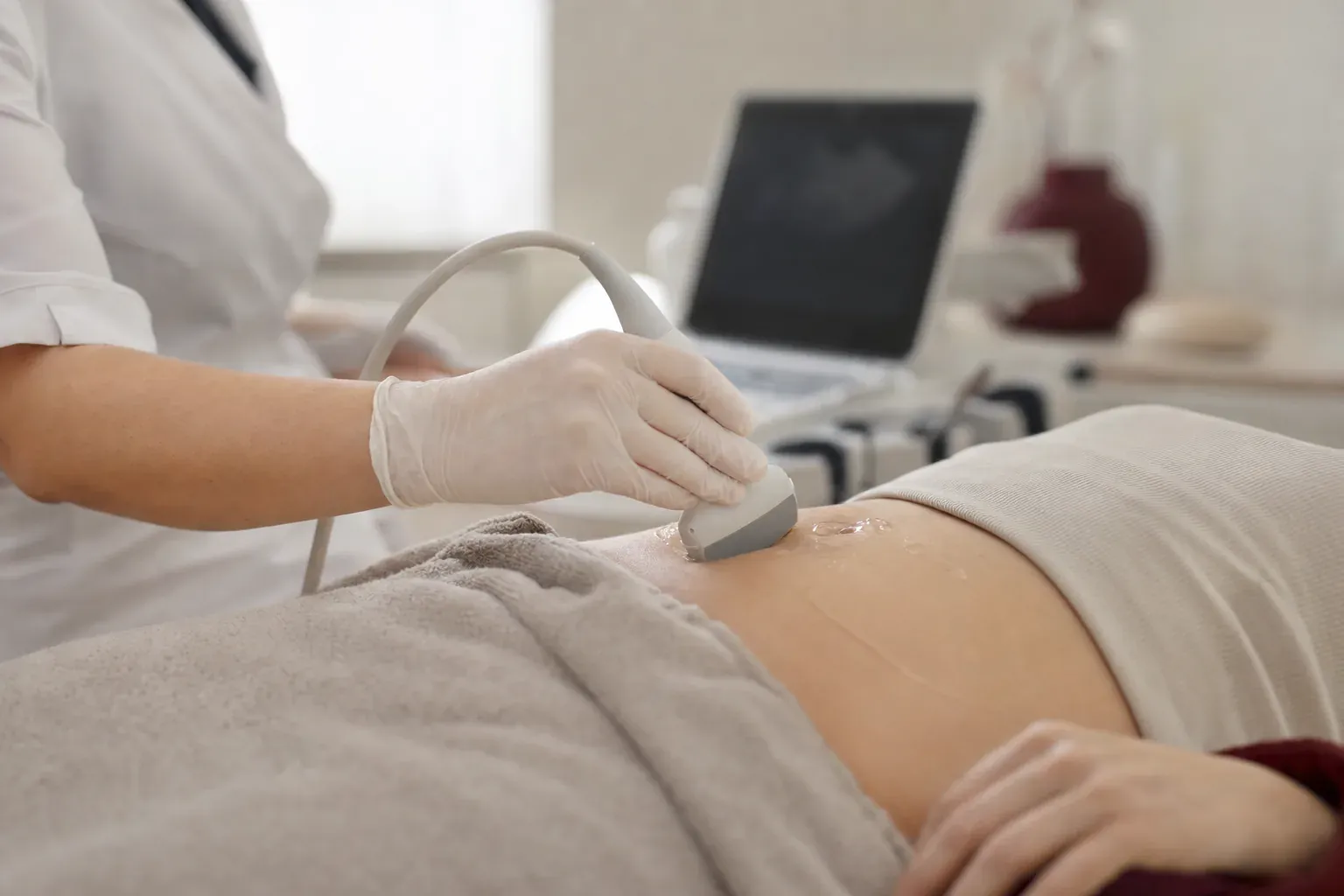
During an abdominal ultrasound, the doctor examines your liver, gallbladder and bile ducts, pancreas and spleen.
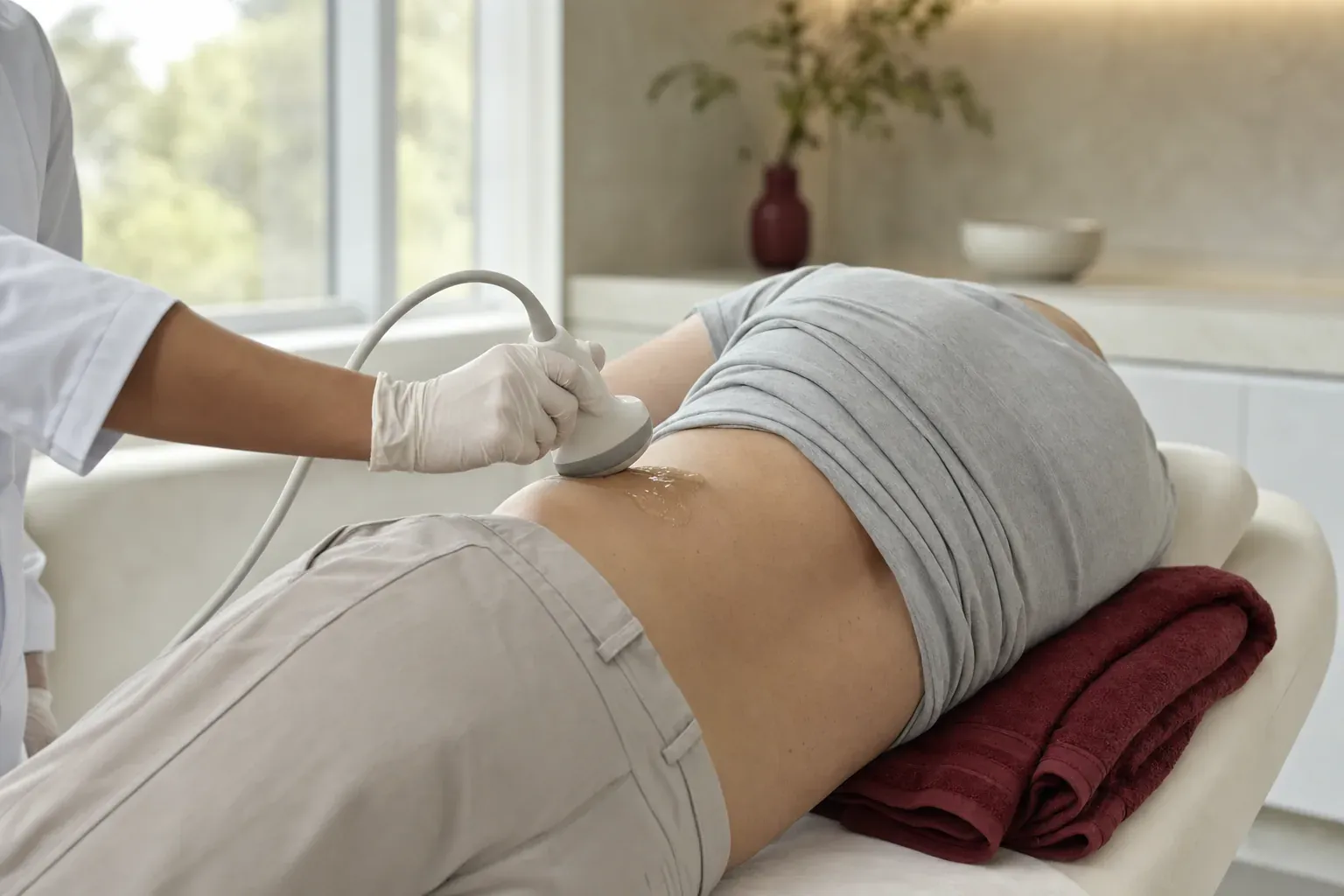
A kidney and bladder ultrasound is ordered when your lower back hurts, urine tests show changes or cystitis keeps coming back.

A thyroid ultrasound shows the size and structure of the gland, nodules and cysts, and the doctor can also check the lymph nodes in your…

A breast ultrasound helps check a lump, pain or nipple discharge and tell a cyst from a solid lump.
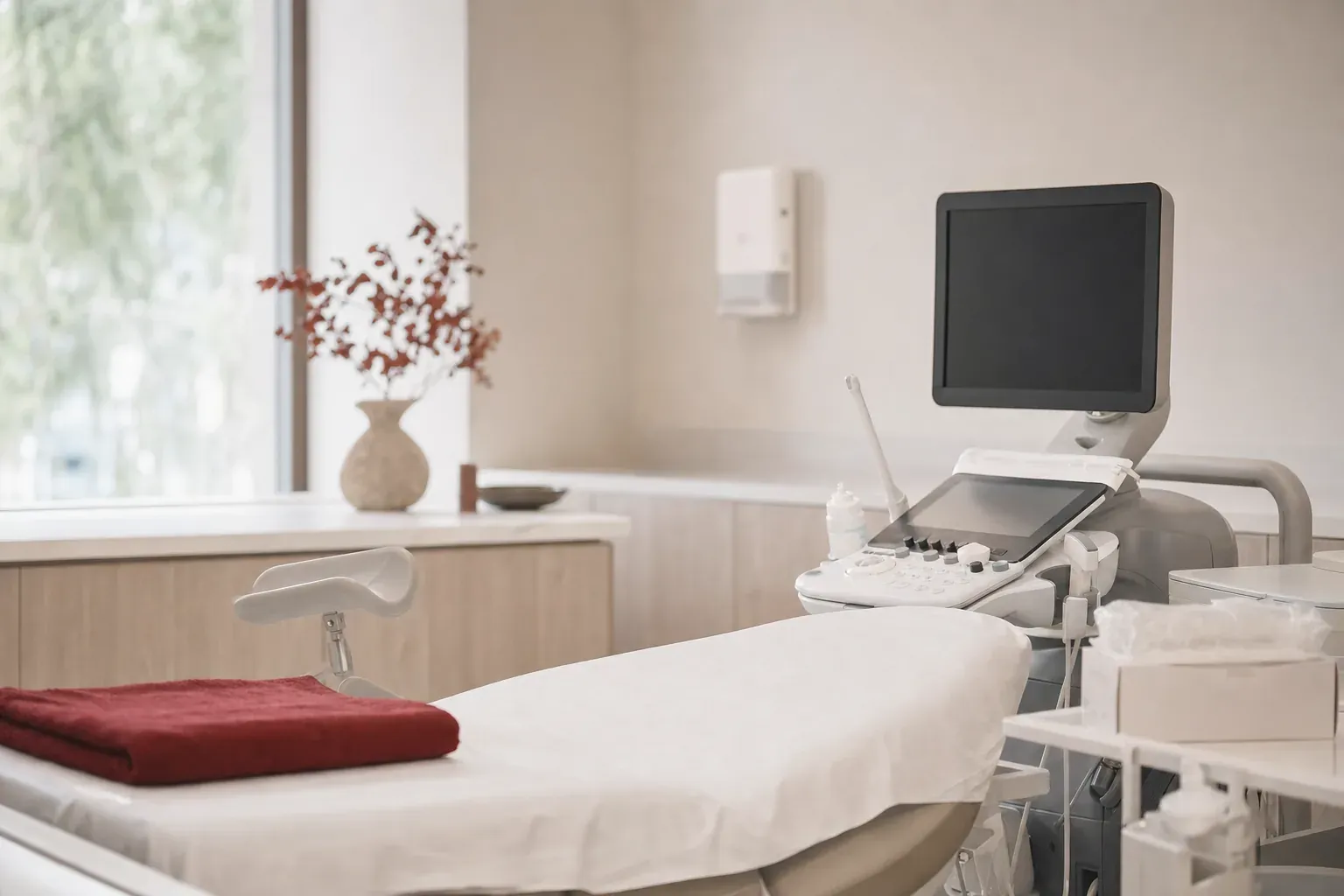
During a pelvic ultrasound, the doctor examines your uterus, endometrium, cervix, ovaries and adnexa.

Ukraine's Ministry of Health standard for normal pregnancy provides for two screening scans, at 11–13+6 weeks and at 18–22 weeks, and a…

A heart ultrasound, or echocardiogram, shows how the heart muscle contracts and how the heart chambers and valves work.
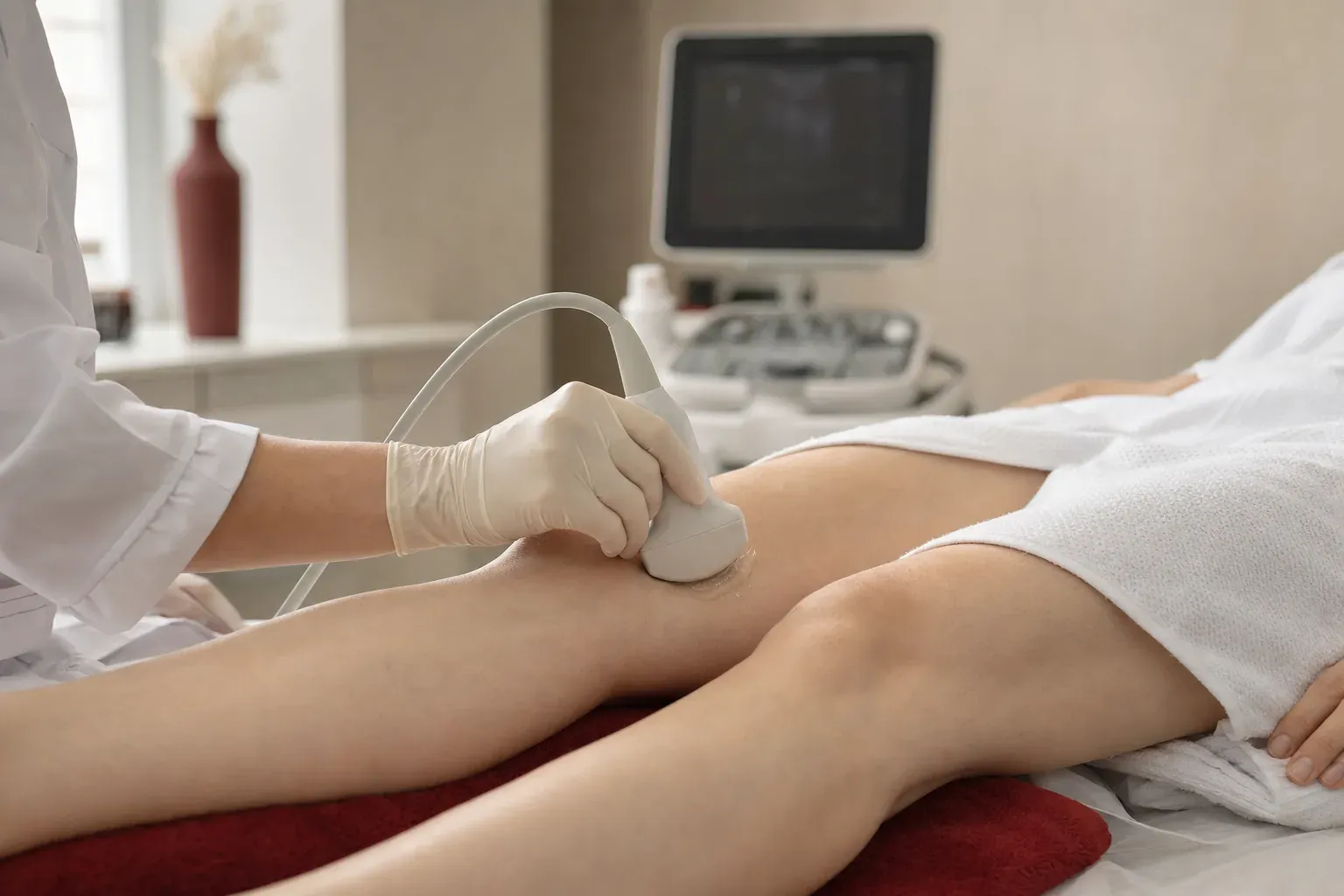
A color Doppler ultrasound of the leg vessels, also called a duplex scan, shows whether the vein valves work, whether there are blood clots…
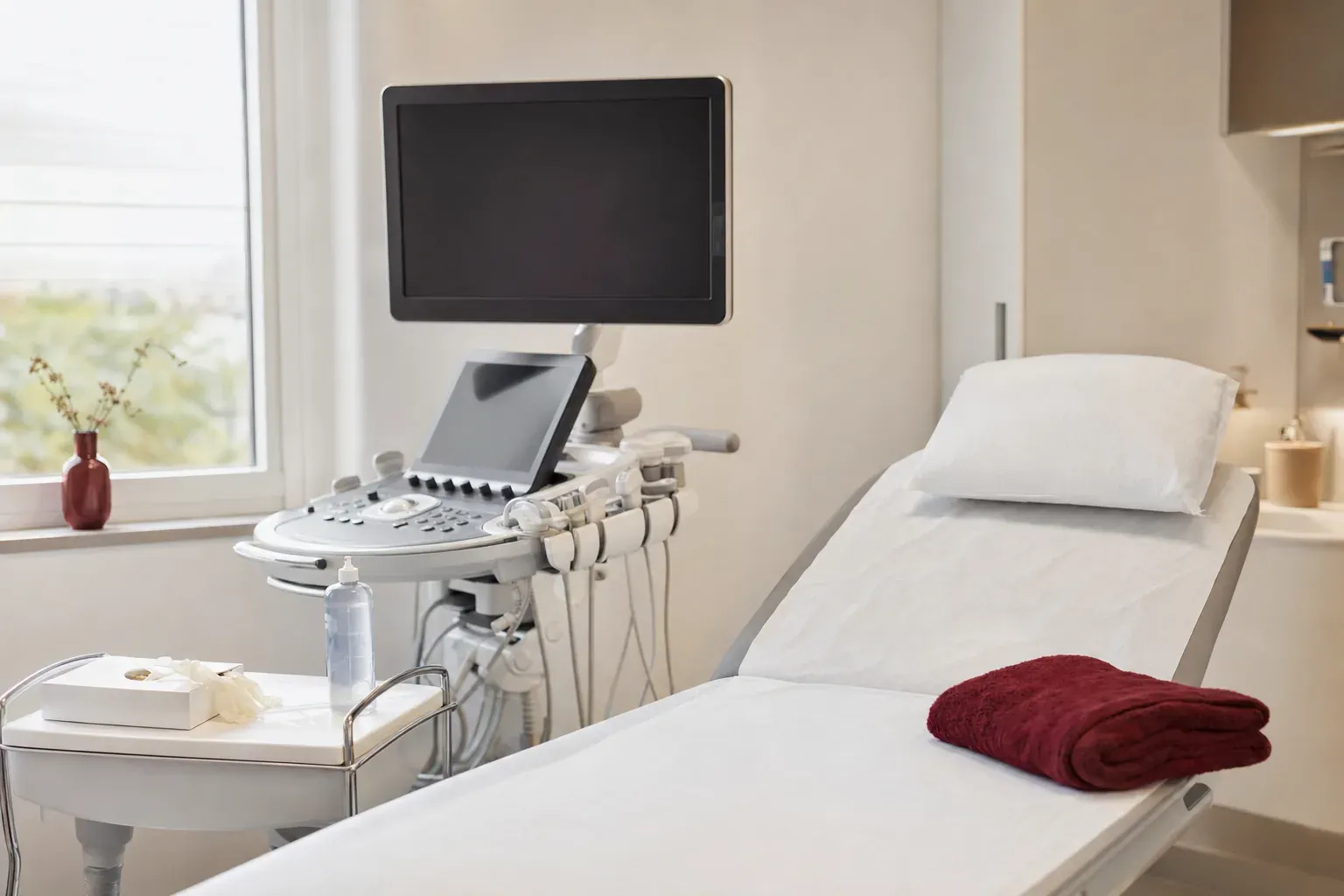
A prostate ultrasound shows the size and structure of the gland, and a scrotal ultrasound helps find the cause of pain, swelling or a lump…

A joint ultrasound shows ligaments, tendons, muscles and fluid in the joint, so it is ordered for pain and swelling after an injury or…

Neurosonography is an ultrasound of a baby's brain done through the anterior fontanelle, the soft spot on top of the head, while it is still open.
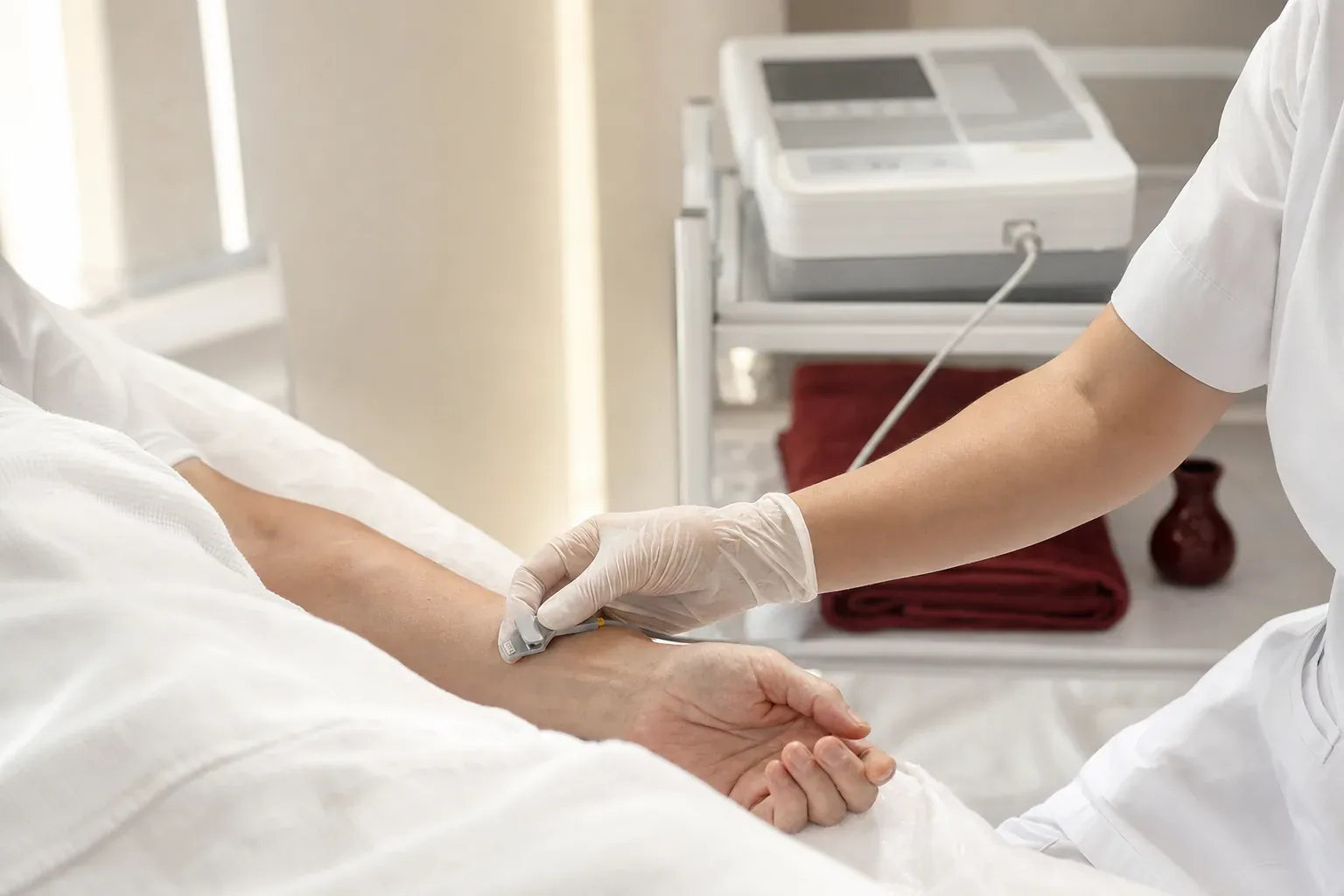
An electrocardiogram (ECG) records the electrical activity of your heart in a few minutes, and the doctor uses it to assess your heart…

During Holter monitoring, you wear a small device that continuously records your ECG or regularly measures your blood pressure.
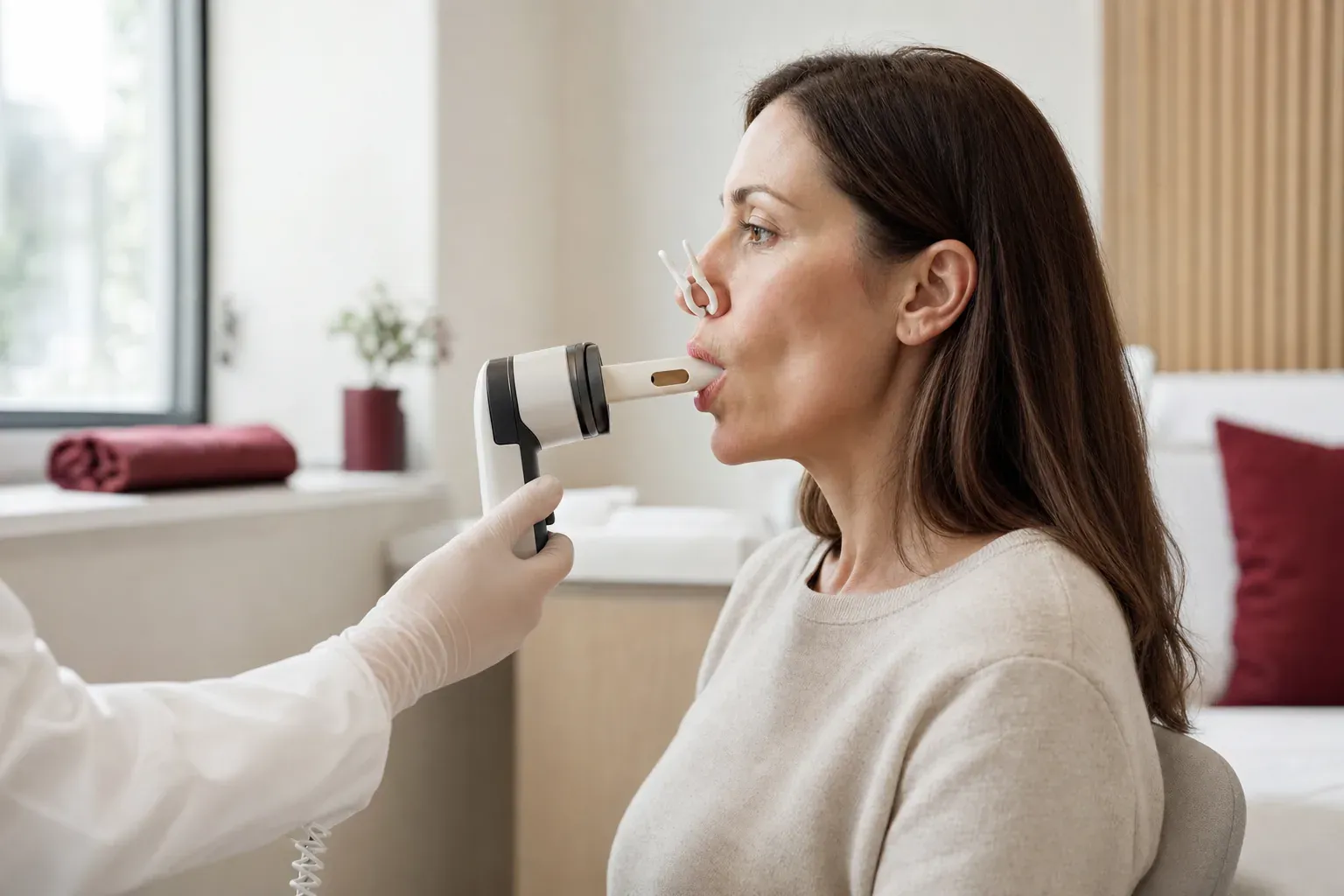
Spirometry shows how much air you can breathe out and how fast, which tells the doctor whether your airways are narrowed.
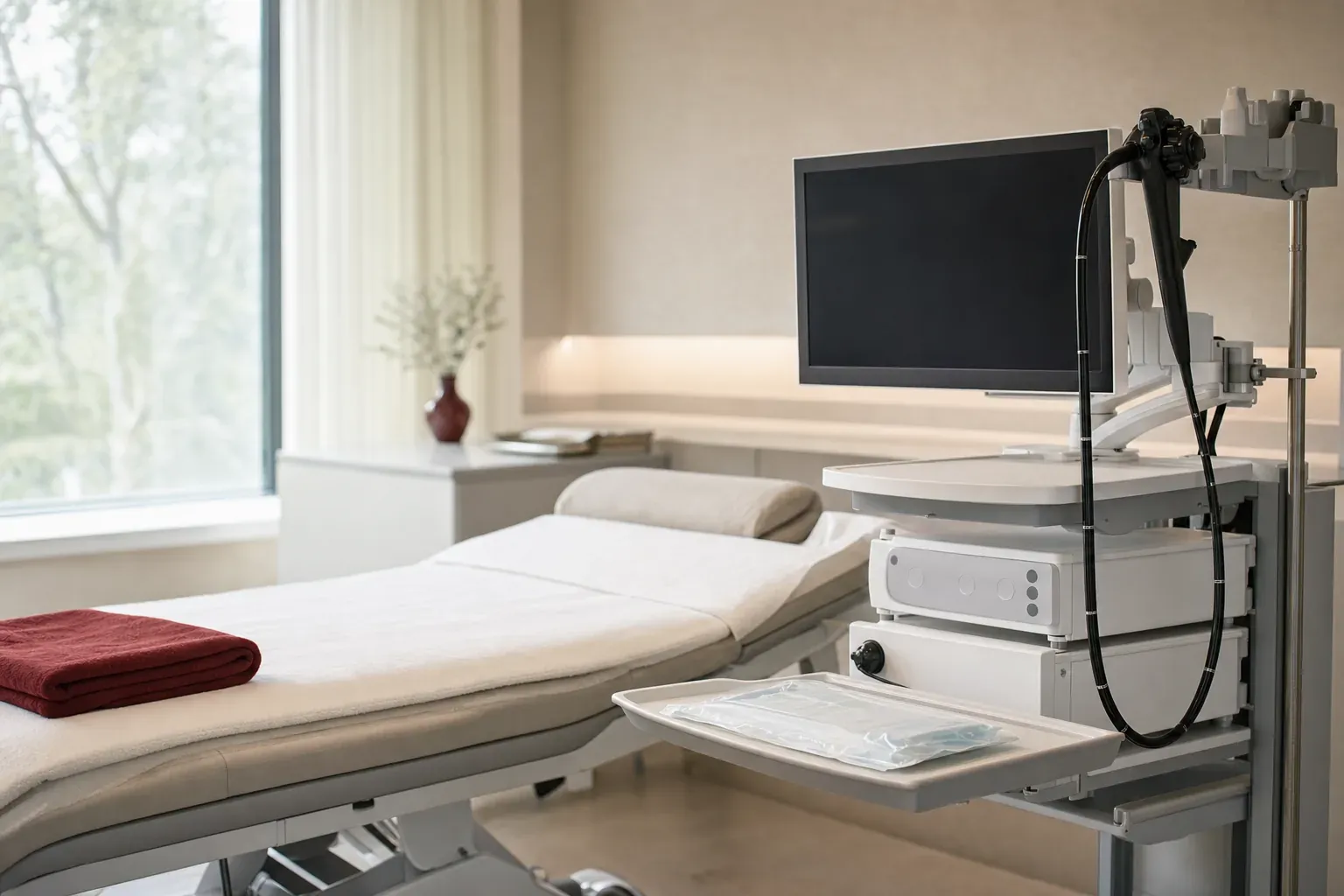
During a gastroscopy, the doctor examines your esophagus, stomach and duodenum with a thin flexible endoscope passed through the mouth and…
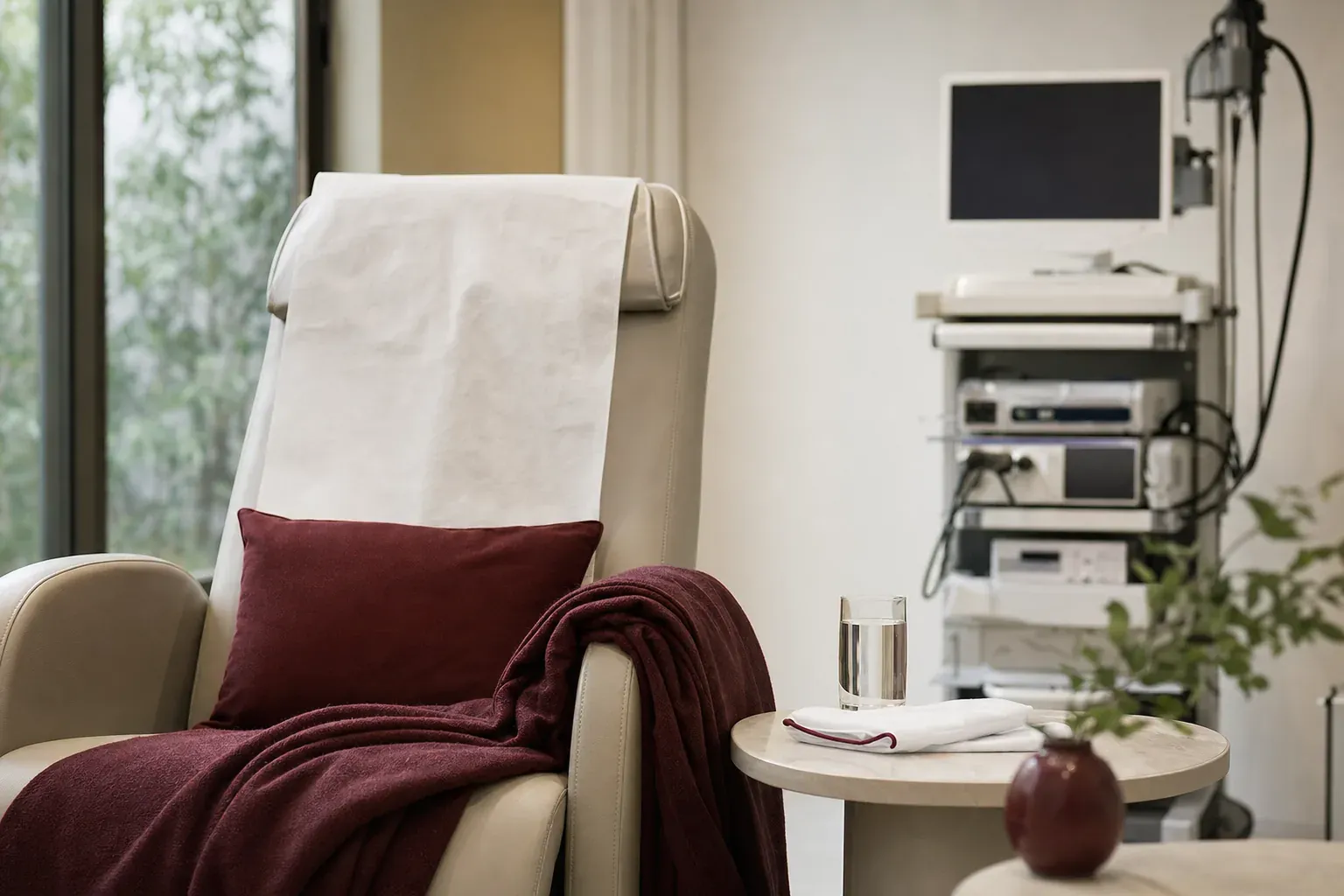
During a colonoscopy, the doctor examines the whole large bowel from the inside with a flexible colonoscope and can take a biopsy or remove…
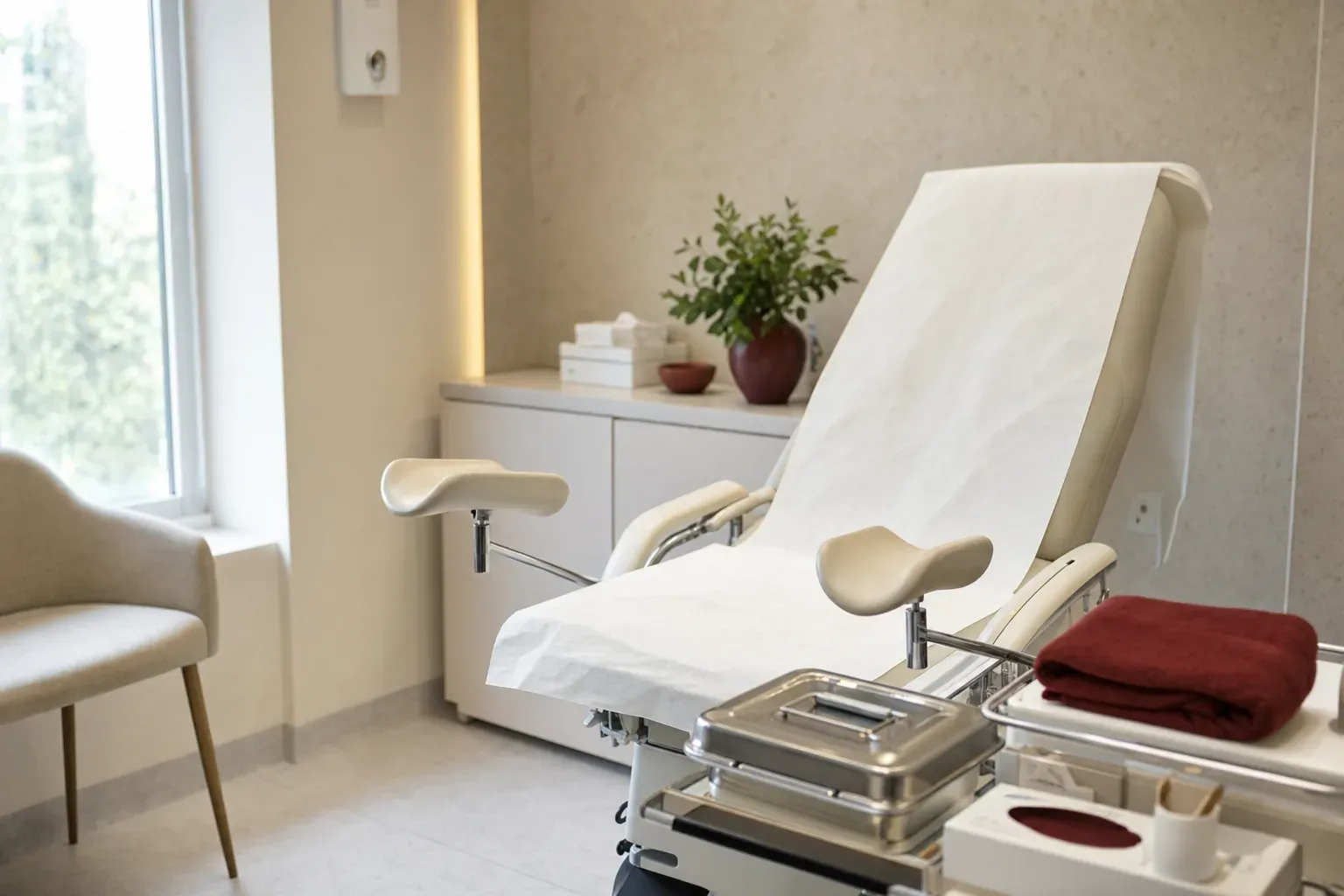
During a sigmoidoscopy, also called rectoscopy, the doctor examines the rectum and the lower part of the sigmoid colon with a sigmoidoscope…
Ultrasound is what people come for most often. We scan the abdominal organs (liver, gallbladder, including a gallbladder function test, pancreas and spleen), kidneys and bladder, thyroid and breasts, lymph nodes, salivary glands, pleural recesses, joints, soft tissues and eyes. We also do ultrasound of the heart and of the leg veins and arteries, and pelvic ultrasound for women (including transvaginal) and men (prostate and scrotum). There is neurosonography for babies, lung ultrasound for children and echoencephalography, an ultrasound examination of the brain. During pregnancy, we do screening scans. Together with biochemical blood tests, they help detect congenital anomalies and chromosomal abnormalities in the baby before birth.
To check the heart, we do 12-lead ECGs, as well as exercise ECGs, ECGs with drug tests, ECGs with Nehb and Slopak leads, rhythmograms and a hyperventilation test. Holter monitoring gives a long recording of your ECG and blood pressure: the device is worn for one or two days, or up to seven if needed. 24-hour blood pressure monitoring helps diagnose hypertension and check how well treatment works. Your doctor decides which recording you need. Spirometry with drug tests shows how well your lungs work and what their volume is.
We examine the stomach and bowel with gastroscopy, colonoscopy and sigmoidoscopy. We also measure eye pressure: raised pressure, or ocular hypertension, can be a sign of glaucoma. Oxygen saturation, meaning the level of oxygen in your blood, is measured with a pulse oximeter, with no needle.
Some tests need preparation, and we’ll explain it when you book. If you have a referral or results of previous tests, bring them with you. All tests are by appointment, so you won’t have to wait in line.
Gastroscopy and colonoscopy are free with an electronic referral from your family doctor, as Viva Clinic has a contract with the National Health Service of Ukraine (NSZU) for them. If you have signed a declaration with a Viva Clinic family doctor, an ECG is free for you. Ultrasound, Holter monitoring, spirometry and sigmoidoscopy are paid.
If your doctor has also ordered lab tests, you can have them at the clinic’s own laboratory, Diagnost-Lab. If you need a consultation after an ultrasound or ECG, a cardiologist, urologist, gynecologist and other specialists see patients at Viva Clinic at 27a Sobornosti St or 3 Danyla Halytskoho St; the address is confirmed when you book. There is no need to travel to Kyiv, Lviv or Khmelnytskyi: people come to Viva Clinic specialists from Netishyn, Shepetivka, Khmelnytskyi, the Khmelnytskyi and Rivne regions and from all over Ukraine.
No, ultrasound at Viva Clinic is paid because it isn’t part of primary care. Gastroscopy and colonoscopy are free with an electronic referral from your family doctor, and an ECG is free if you have a declaration with a Viva Clinic family doctor. Holter monitoring and spirometry are paid.
It depends on the test. Endoscopy and some types of ultrasound need preparation, such as coming on an empty stomach. When you book, the administrator will explain what you need to do. Bring your referral and any previous test results.
Usually one to two days, or up to seven if needed. The device records your readings the whole time, and a 24-hour blood pressure recording lets the doctor diagnose hypertension and check how well treatment works. Your doctor decides how long you need to wear it. The Holter monitor is fitted at the Viva Clinic polyclinic at 27a Sobornosti St by appointment.
Yes. The clinic does neurosonography for babies, lung ultrasound for children and other tests ordered by a doctor. Neurosonography for a baby is usually recommended by the pediatrician during a check-up. Bring the referral and any previous reports if you have them.
Besides a standard 12-lead ECG, the Viva Clinic polyclinic does exercise ECGs, ECGs with drug tests, ECGs with Nehb and Slopak leads, rhythmograms and a hyperventilation test. Your doctor decides which one you need. For a longer recording, there is Holter monitoring.
To catch ocular hypertension, meaning raised eye pressure, early. It can be a sign of glaucoma, which can lead to blindness. Eye pressure is measured at Viva Clinic in Slavuta by appointment, including during a visit to the ophthalmologist.
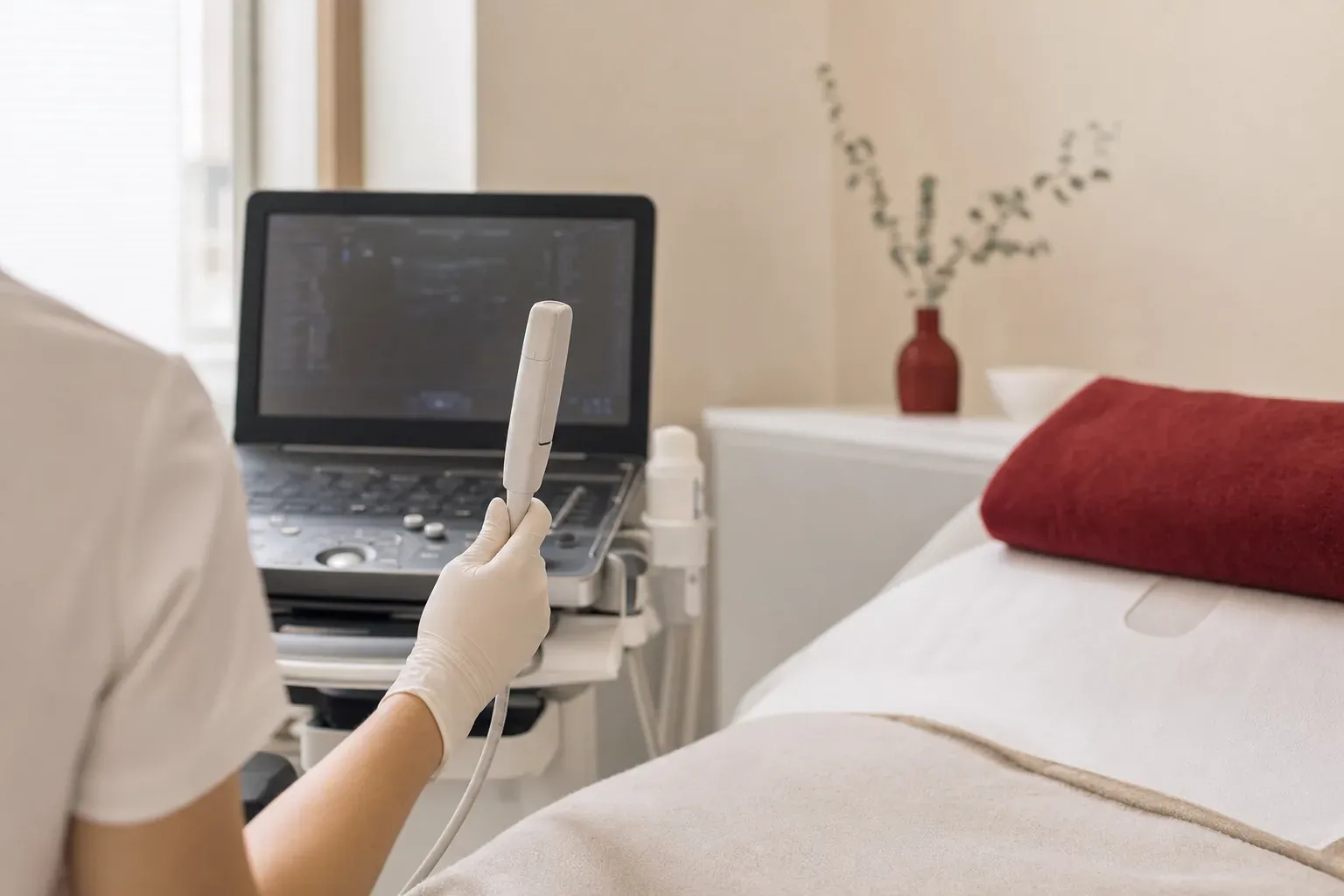
A routine breast ultrasound is usually done in the first half of your cycle, roughly between days 5 and 12 counting from the start of your period, when your breasts are least swollen. After menopause, any day is fine. If you've noticed a lump or nipple discharge, don't wait for the right day and book an appointment with a mammologist, a breast specialist, straight away.

Laser treatment for varicose veins, or endovenous laser ablation (EVLA), closes the affected vein from the inside through a small puncture, with no incisions. It is done on an outpatient basis, and a vascular surgeon decides whether it suits you after an exam and a vein ultrasound. After EVLA you usually go home the same day, and the doctor tells you what activity level and compression stockings you need.

Kidney pain is felt in the side of your lower back, just under the lowest ribs, usually on one side. It is dull and aching or comes in waves, as with renal colic, hardly changes when you move and often comes with a fever or changes in your urine. Back pain usually gets worse when you bend, twist or sit for a long time and eases when you rest.

In a sprain, some of the fibers in a ligament tear, so the joint hurts and swells, a bruise appears and moving it is painful. For the first 48 hours, rest the joint, apply cold through a cloth, wrap it in a moderately firm bandage and keep your leg raised. If you cannot stand on your leg or the joint looks deformed, go to a trauma unit (travmpunkt), where they will take an X-ray straight away. If the pain does not ease within a few days, see a trauma doctor to rule out a fracture or a torn ligament.
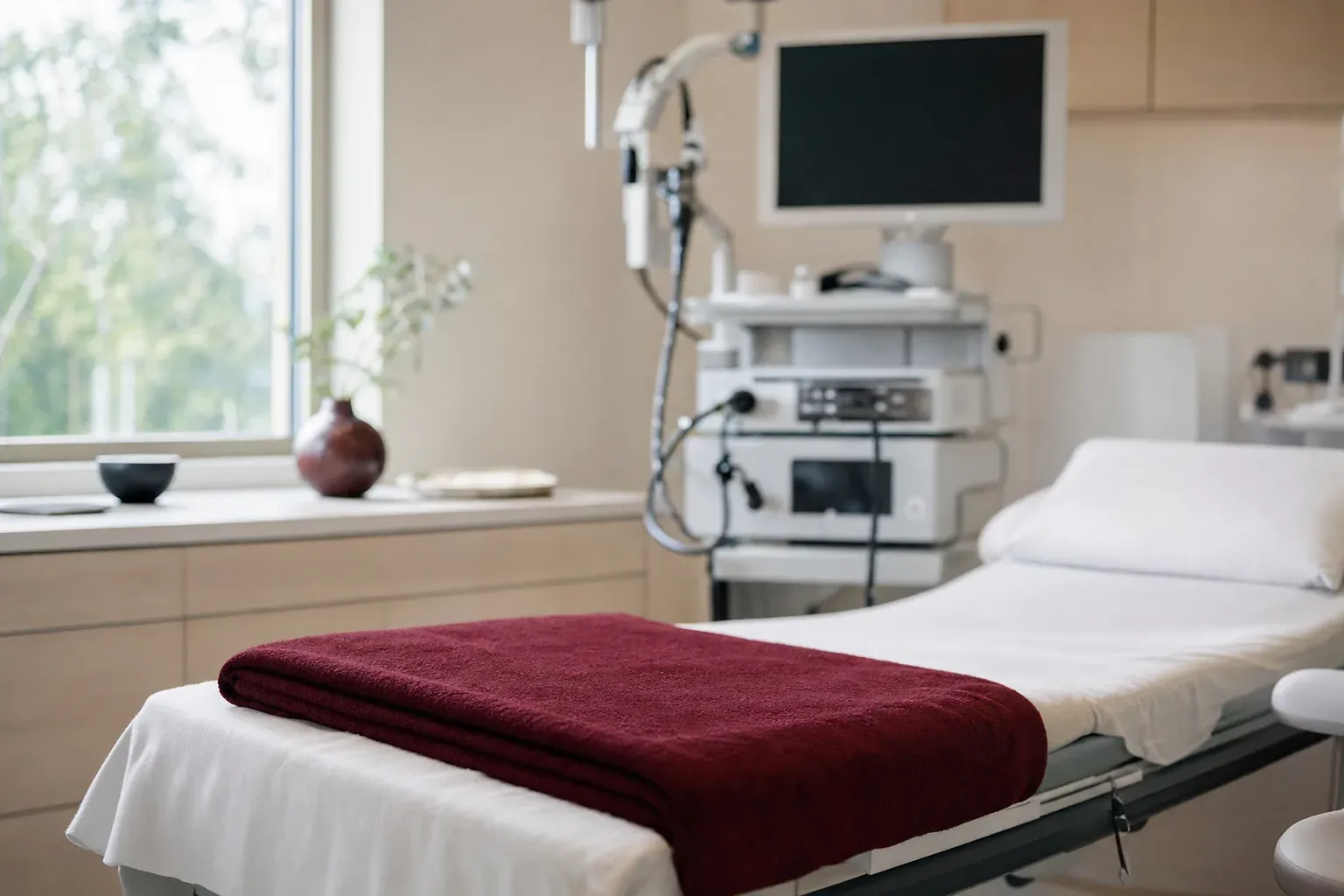
During a colonoscopy, a doctor examines the inside of the large intestine with a thin, flexible tube that has a camera on the end. So that the doctor can see the whole lining, the bowel is cleared in advance: a few days before, you switch to low-fiber food, and the day before, you drink a bowel prep solution as your doctor instructs. Without anesthesia the test can be unpleasant, so you can have it under anesthesia.

Come to an abdominal ultrasound on an empty stomach, usually after 6–8 hours without food, which is why the scan is easiest to schedule in the morning. You can drink a little plain water. If you often get bloated, cut out the foods that make it worse for 1–2 days before the scan.

The thyroid gland sits at the front of the neck, under the Adam's apple, and makes hormones that control metabolism, heart rate and body temperature. When it is underactive, people feel cold, tire quickly and gain weight; when it is overactive, they have a racing heart, sweating, weight loss and shaking hands. Testing usually starts with a TSH blood test, and the doctor adds free T4, antibodies or an ultrasound if needed.
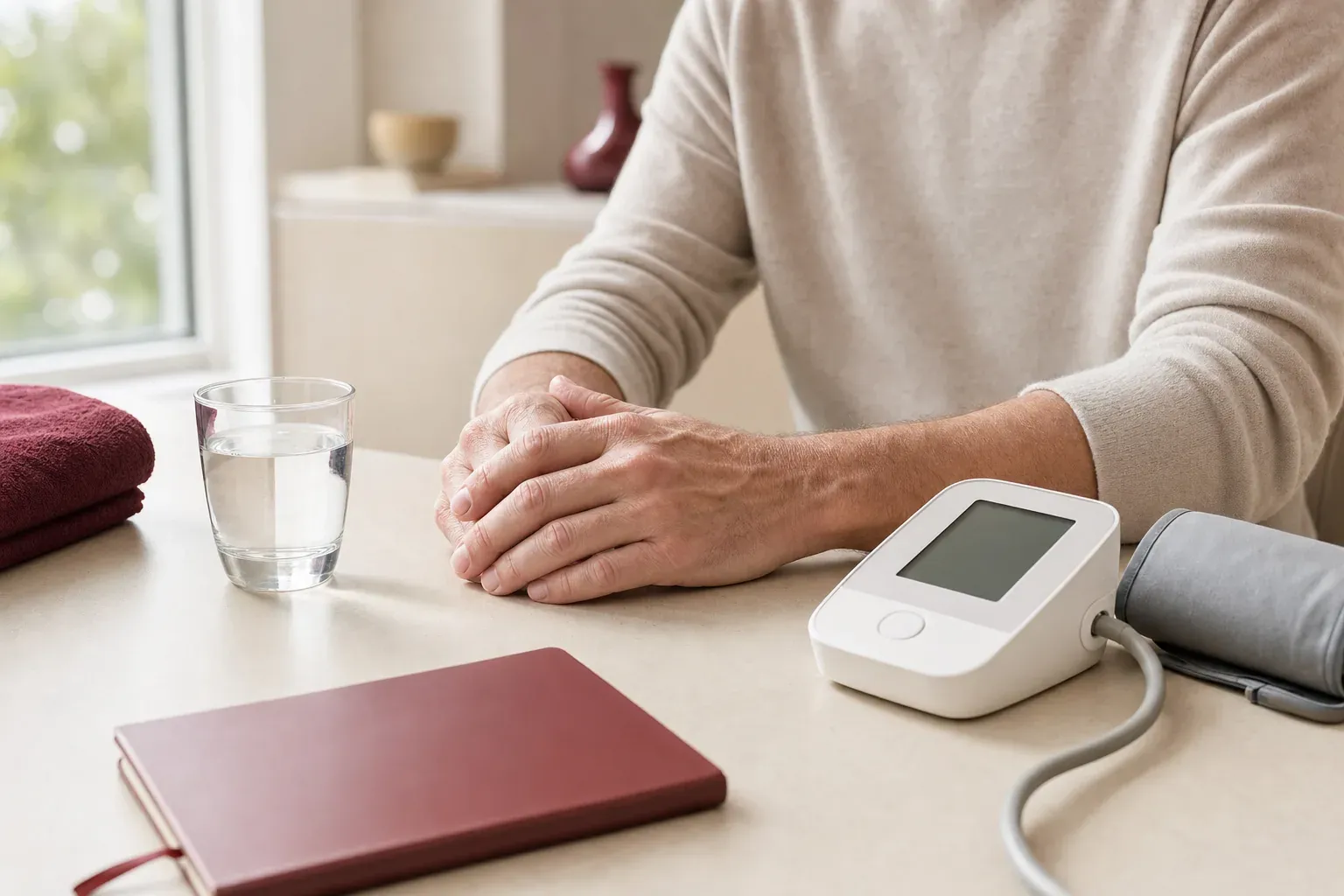
If your monitor shows high blood pressure, sit down, rest quietly for 5 minutes and then measure again. If the numbers don't come down, take only the medicine your doctor has already prescribed for this situation, and contact your doctor the same day. Chest pain, shortness of breath, trouble speaking, weakness in an arm or a sudden severe headache with high blood pressure mean you should call an ambulance on 103 right away.

Viva Clinic ratings on Google Maps and recent patient reviews. If you have visited us, please leave a review.
27a Sobornosti St, Slavuta
4.443 reviews
Our administrators will help you choose a doctor and a convenient time.


