



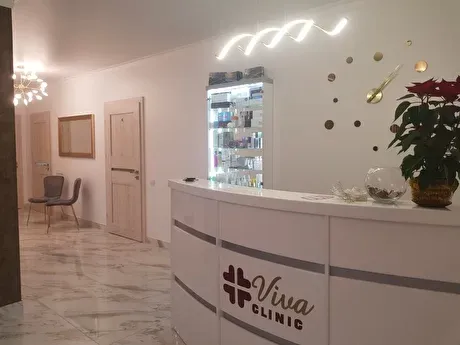
Aesthetic medicine
16b/3 Kuzovkova St, Slavuta, Khmelnytskyi Oblast
Mon–Fri 9:00–18:00
Open in Google MapsAesthetic medicine
Classic cosmetology covers facial cleansing, peels, masks and facial massage for regular skin care. At the Viva Clinic aesthetic medicine center in Slavuta, at 16b/3 Kuzovkova St, a cosmetologist chooses treatments based on your skin's condition, including acne, broken capillaries or pigmentation. You can book by phone, on Viber or Telegram.
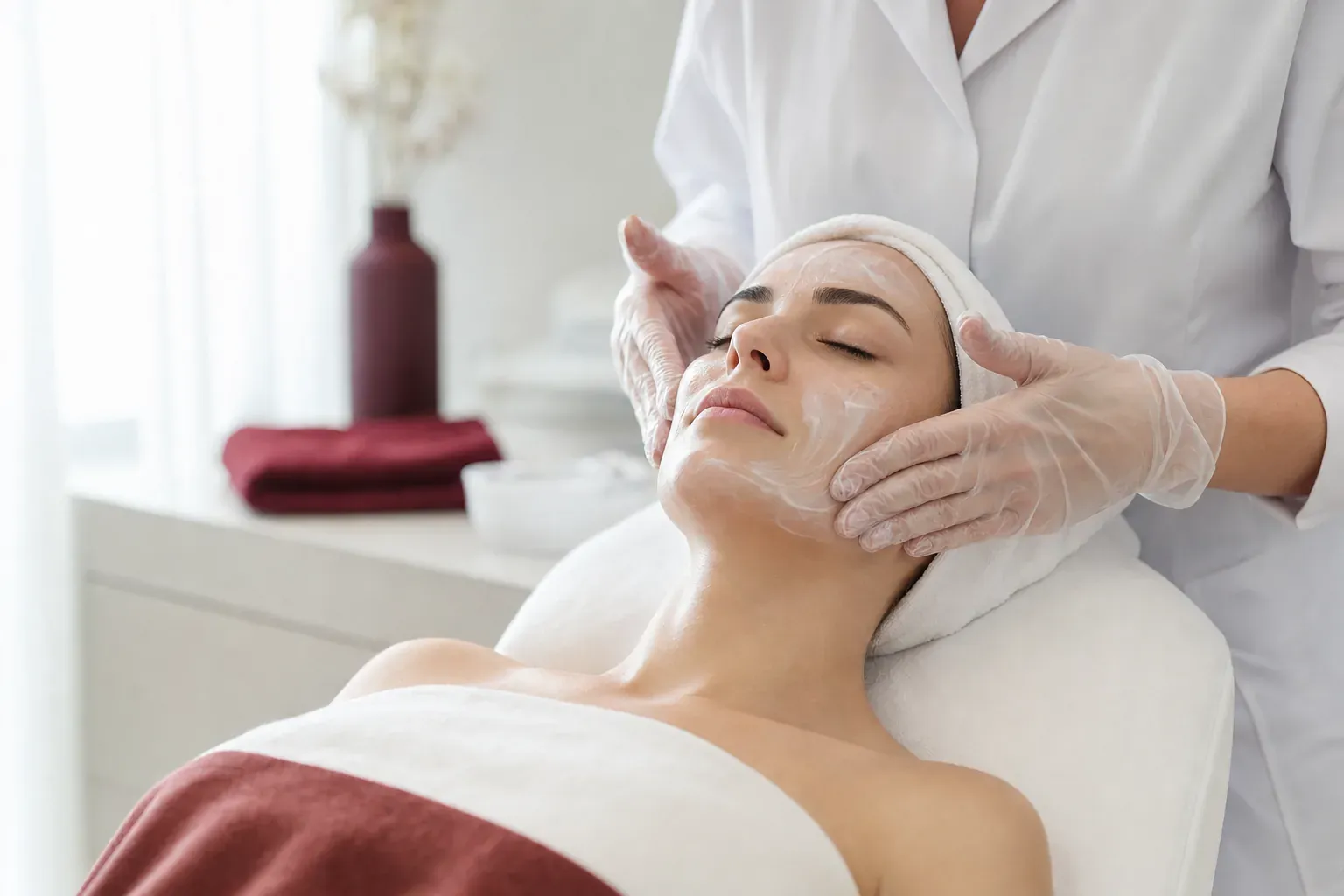
Your cosmetologist will tell you which of these your skin needs after examining it.
Four types: ultrasonic, manual and non-traumatic cleansing and hydropeeling. Manual cleansing is usually done no more than once a month and takes about an hour and a half.
Superficial and medium-depth PEEL-EXPERT peels, including a gentle one for sensitive skin and skin with broken capillaries. With pigmentation, peels are planned for autumn and winter.
Masks hydrate and soften the skin. An alginate mask is done on its own or with other care, and the cosmetologist chooses restorative masks for your skin.
Boosts blood flow and tones the muscles, so your skin looks fresher. It can be combined with a manual cleansing or a peel in one visit.
At the Viva Clinic aesthetic medicine center, classic cosmetology treatments are done by cosmetologists. You can have them separately or combine several in one visit if the specialist recommends it.
Cleansing clears pores of sebum, dead skin cells and blackheads. Our article on which facial cleansing to choose explains which of the four types of facial cleansing suits your skin.
Peels remove dead skin cells with acid solutions. Superficial and medium-depth PEEL-EXPERT peels are chosen for sensitive, oily or breakout-prone skin, pigmentation and post-acne marks.
Masks hydrate and soften the skin. An alginate mask is made from substances extracted from brown seaweed. The powder is mixed with water and applied to the face, and once it sets into a flexible film, it’s peeled off in one piece. The cosmetologist chooses restorative masks for your skin’s condition and finishes a manual cleansing with a soothing mask.
Facial massage boosts blood flow and tones the muscles, so your skin looks fresher afterwards. If you’re interested in RF lifting, muscle stimulation or other methods where a device acts on the skin, they’re part of device-based cosmetology.
Your first visit starts with a skin check. The cosmetologist assesses your skin type and condition and asks about allergies to skincare products and medicines and about any medication you take. Also mention if you are pregnant or breastfeeding. The specialist then suggests one treatment or a combination, such as manual cleansing with a peel or facial massage.
Your skin’s condition shapes the choice. If you have many inflamed breakouts, manual cleansing is postponed or a gentler type is chosen. For sensitive skin and skin with broken capillaries, the PEEL-EXPERT line has a gentle peel. With pigmentation, peels are planned for autumn and winter, because the skin is more sensitive to the sun afterwards.
If your face is constantly red or burning, or your breakouts are painful and deep, see a dermatologist first. They prescribe treatment, and the cosmetologist’s procedures complement it. When cleansing or a peel is part of a skin treatment plan, it’s prescribed by a cosmetic doctor.
The treatment room uses professional skincare that the clinic buys from official suppliers. Instruments are cleaned and sterilized after every use, and consumables are single-use. After the treatment, the cosmetologist recommends home-care products for your skin type.
Your cosmetologist will advise how often to come after examining you, because it depends on your skin and the treatment. Manual cleansing is usually done no more than once a month so your skin has time to recover. It takes about an hour and a half on average, and cleansing just the T-zone takes about 40 minutes. Superficial peels are done as a course, one to four weeks apart depending on the product. Our article about facial peels explains how to plan peels and care for your skin afterwards.
A treatment is postponed if you have active herpes (a cold sore), wounds, acute inflammation or sunburn on your face, if your skin is freshly tanned or if you have a cold. Don’t book manual cleansing right before a celebration, because your skin stays red for a while afterwards. Before an event, SOS treatments are a better fit.
In device-based cosmetology, devices act on the skin with ultrasound, vacuum, electric current or cold. Classic cosmetology mostly relies on skincare products and the cosmetologist's hands: facial cleansing, peels, masks and facial massage. The two can be combined, and your cosmetologist will tell you what your skin needs after examining it.
It's a mask made of alginates, substances extracted from brown seaweed. The powder is mixed with water and applied to the face, and once it sets into a flexible film, it's peeled off in one piece. An alginate mask hydrates the skin. It's done on its own or together with other care.
It depends on your skin and the treatment. Manual cleansing is usually done no more than once a month, and superficial peels are done as a course, one to four weeks apart depending on the product. Your cosmetologist will set a schedule for you after examining your skin.
Yes, taking the inflammation into account. If there are many inflamed spots, manual cleansing is postponed or a gentler type is chosen. If breakouts are painful and deep or leave scars, see a dermatologist first: they prescribe treatment, and the cosmetologist chooses cleansing and peels to complement it.
You don't need a separate consultation, because your first treatment starts with a skin check. The cosmetologist assesses your skin and possible contraindications, asks about allergies and medication, and then chooses the care. If you're not sure where to start, book a consultation first.

Facial care at a cosmetologist's starts with a skin check: the specialist assesses your skin type and condition, asks about allergies and medication and suggests a treatment plan. How often you come depends on your skin and the treatment; manual cleansing, for example, is usually done no more than once a month. If you have inflamed breakouts or a mole has changed, see a dermatologist first.
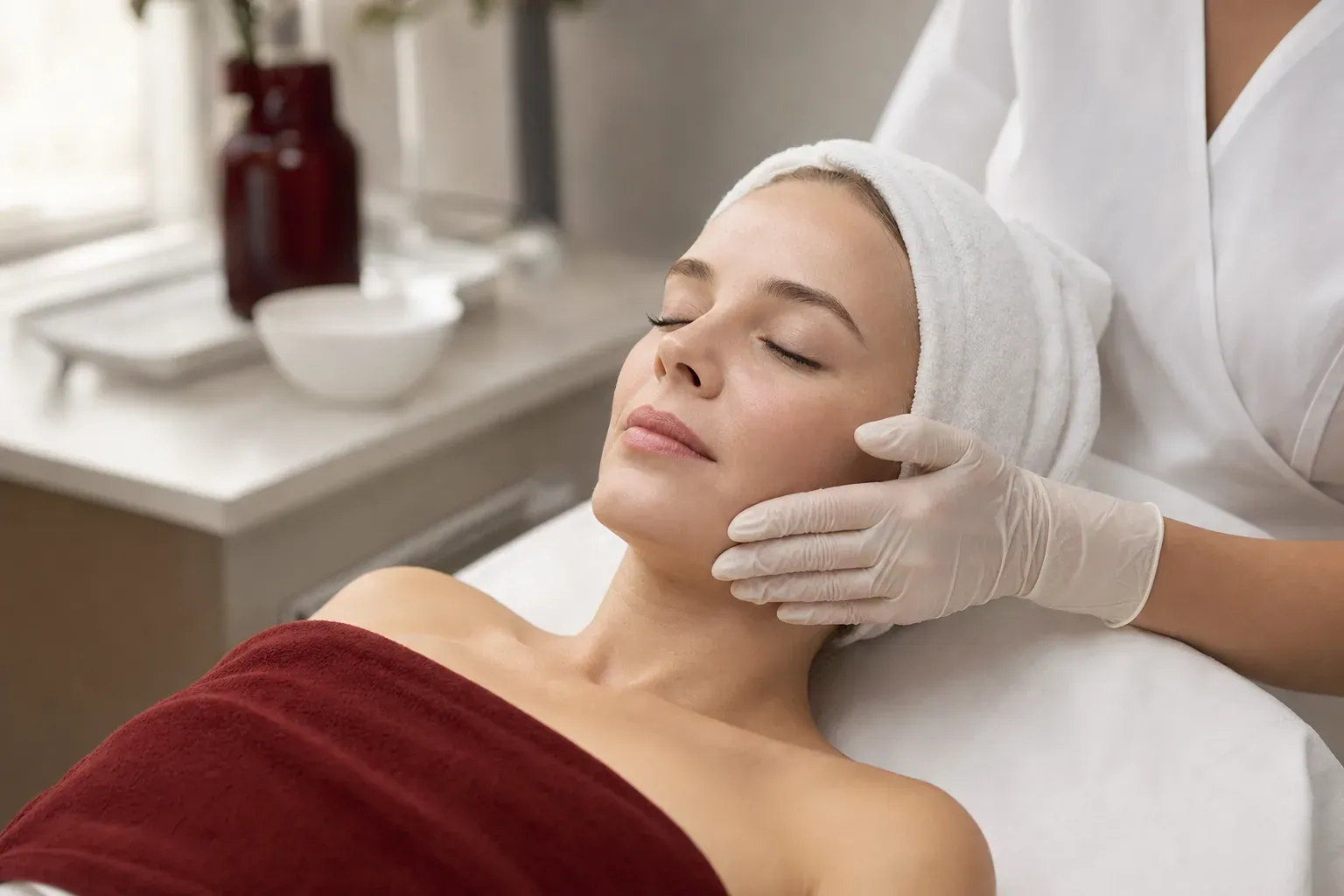
A facial massage at a cosmetologist's boosts blood flow and tones the facial muscles, so your face looks fresher and more rested afterward, and the treatment itself is very relaxing. Massage doesn't remove deep wrinkles and doesn't replace injectable treatments. At Viva Clinic in Slavuta, facial massage is part of classic cosmetology, and your cosmetologist will advise how often to have it after examining your skin.
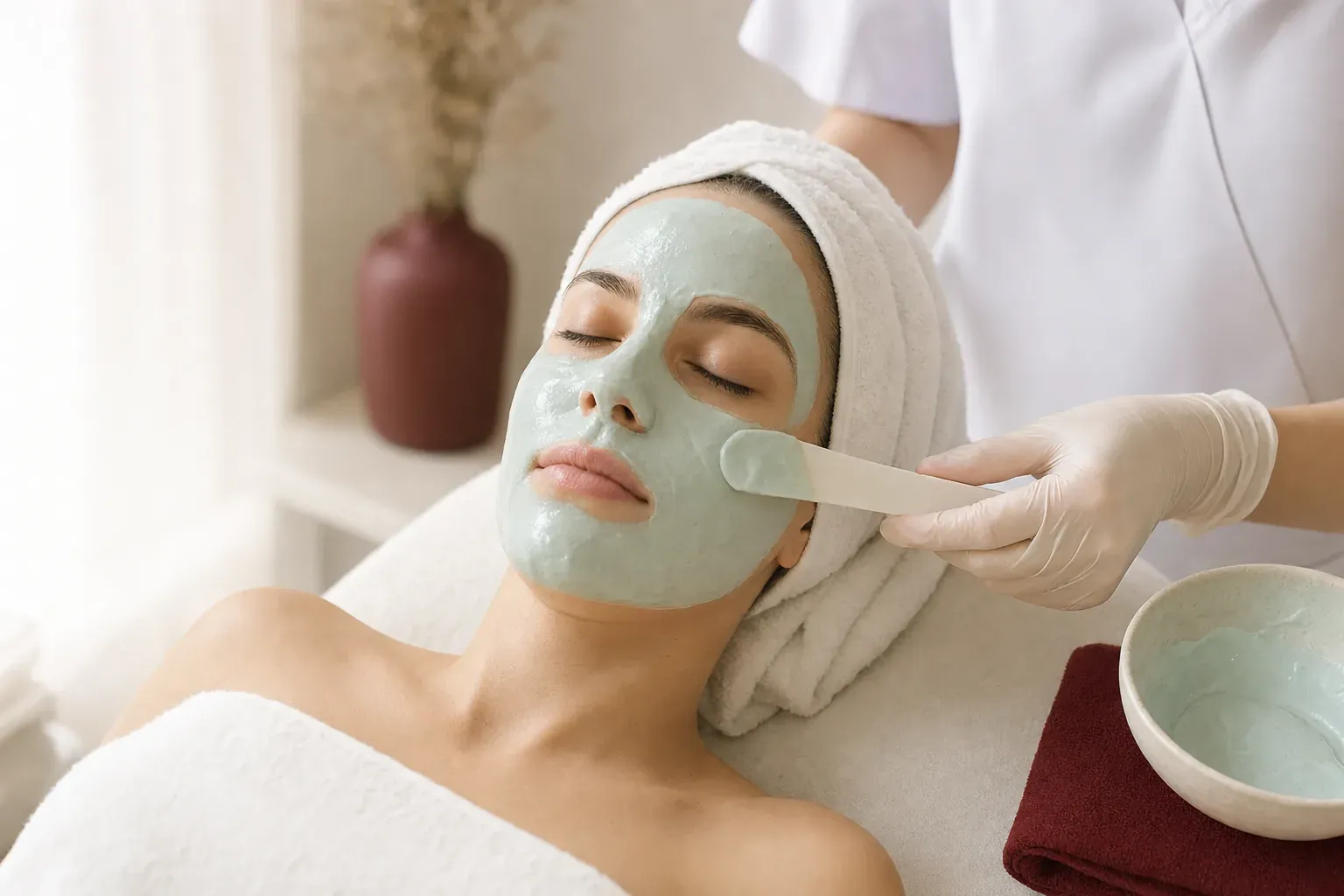
An alginate mask is made from a powder based on salts of alginic acid, which comes from brown seaweed. The powder is mixed with water and spread over the face, and within a few minutes it sets into a flexible film that's peeled off in one piece. The mask hydrates the skin and briefly makes the face look fresher, so at Viva Clinic in Slavuta it's also offered as an SOS treatment before a celebration or an important event.
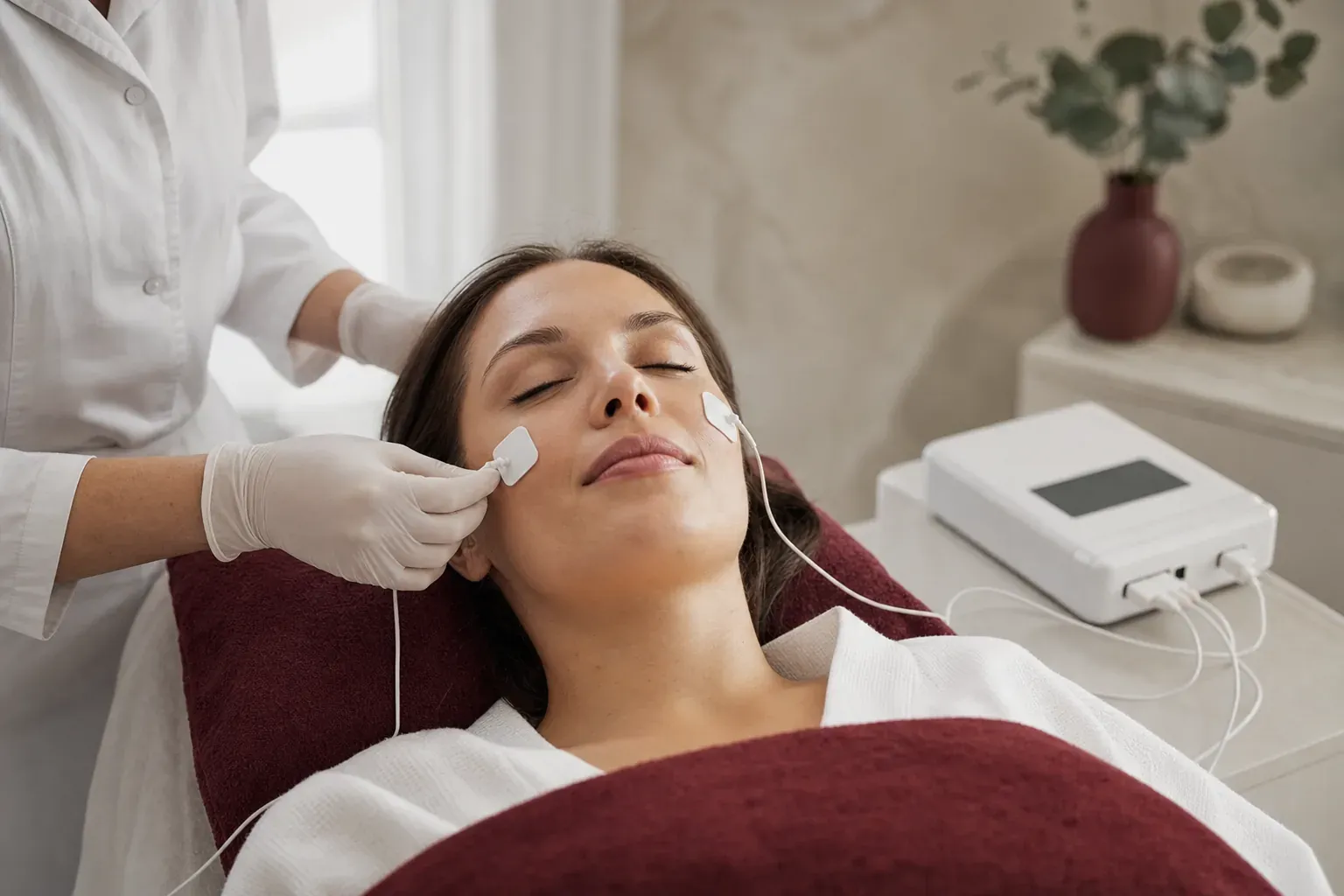
Facial muscle stimulation, or myostimulation, is a device-based treatment in which weak pulses of electric current make the facial muscles contract. It's done to help maintain muscle and skin tone and is usually taken as a course. At Viva Clinic in Slavuta, muscle stimulation is done by cosmetologists after a skin assessment and a check for contraindications.

Ultrasonic facial cleansing gently removes dead skin cells, excess sebum and light pore congestion using a device with a vibrating metal blade. It's recommended for thin, sensitive and dry skin, and it usually leaves no noticeable redness, so it can be done at any time of year. Your cosmetologist decides how often to repeat it after examining your skin.
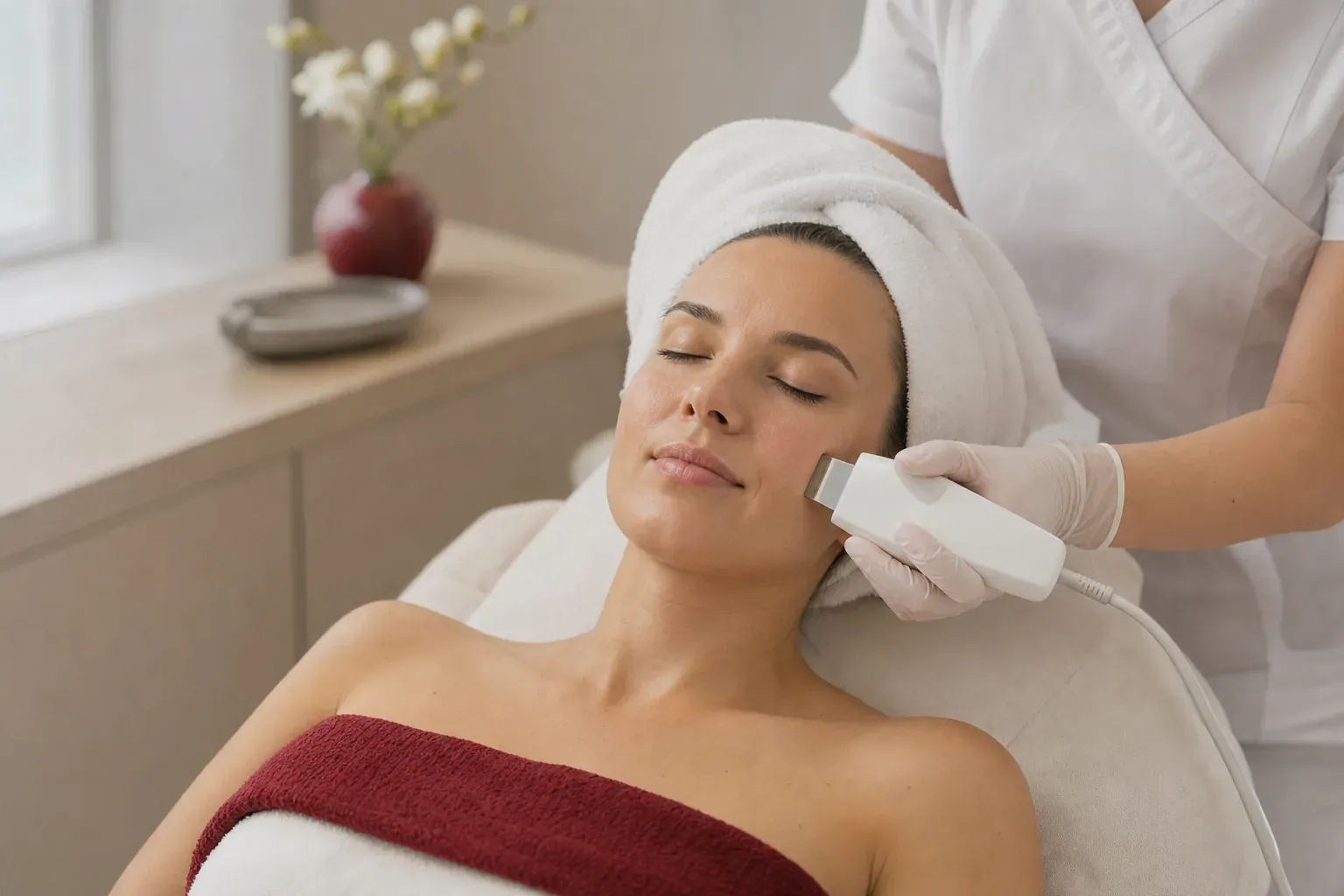
The best facial cleansing depends on your skin: manual cleansing is usually recommended for oily skin with clogged pores and blackheads, and gentler ultrasonic or non-traumatic cleansing for sensitive, thin skin. Hydropeeling also suits dehydrated skin. Viva Clinic in Slavuta offers all four types, and your cosmetologist decides which one suits you after examining your skin.
16b/3 Kuzovkova St, Slavuta, Khmelnytskyi Oblast
Mon–Fri 9:00–18:00
Open in Google MapsViva Clinic ratings on Google Maps and recent patient reviews. If you have visited us, please leave a review.
16b/3 Kuzovkova St, Slavuta
4.127 reviews
Our administrators will help you choose a doctor and a convenient time.