PRX-T33: what this treatment is and who it suits
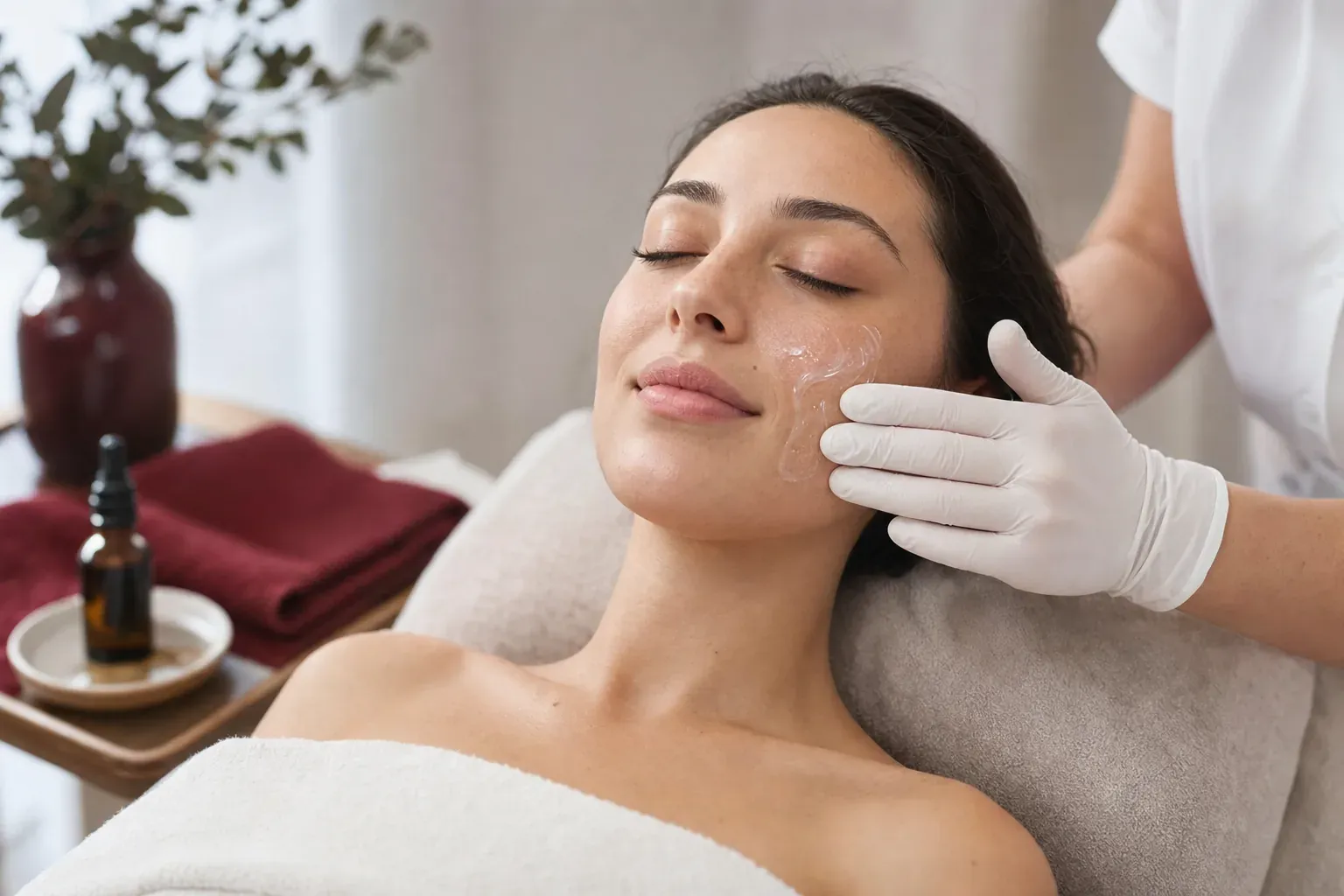
PRX-T33 is known as needle-free biorevitalization: a product with 33% trichloroacetic acid, hydrogen peroxide and kojic acid is applied to the skin and rubbed in, and nothing is injected. Technically it's a peel, but it usually doesn't cause noticeable peeling. At Viva Clinic in Slavuta, PRX-T33 is done after an examination by a cosmetic doctor.

Published Updated 4 min read
How PRX-T33 works
According to the manufacturer, the product contains 33% trichloroacetic acid, hydrogen peroxide and kojic acid. In classic peels, trichloroacetic acid at this strength sits on the border between a superficial and a medium-depth peel: it penetrates deeper than the acids in light peels, and afterwards the skin peels noticeably and takes a week or two to heal.
In PRX-T33, as the manufacturer describes it, hydrogen peroxide softens the acid’s effect on the top layer of the skin, so the acid works in deeper layers and stimulates skin renewal. Kojic acid is added to products that even out skin tone.
That’s why PRX-T33 is called needle-free biorevitalization, although it works differently. In injectable biorevitalization, the doctor injects hyaluronic acid, which holds water in the skin, while PRX-T33 prompts the skin to renew itself. There are no injections, so there are no bumps or bruises like those that follow injections.
How PRX-T33 differs from a regular peel
A regular chemical peel removes dead skin cells with an acid solution. After a superficial peel, the skin may be pink, tight and slightly flaky for a few days. A medium-depth peel causes more noticeable peeling, the skin takes a week or two to heal, and you need to avoid the sun the whole time. Our article on facial peels covers this in more detail.
After PRX-T33, the skin may turn red, but peeling is usually minimal or absent. That makes the procedure easier to fit into your normal routine. It’s still an acid peel, though, and your skin will be more sensitive to the sun afterwards too.
At Viva Clinic, PRX-T33 is listed among our chemical peels, next to PEEL-EXPERT superficial and medium-depth peels, and on the biorevitalization page as the needle-free option. It’s the same procedure. A cosmetic doctor decides after an examination what suits your skin: PRX-T33, a PEEL-EXPERT peel or injectable biorevitalization.
Who PRX-T33 suits
PRX-T33 is chosen when:
- you want the effect of biorevitalization without injections;
- your skin looks dull, has lost firmness or has fine lines;
- you’re bothered by uneven skin texture or tone.
PRX-T33 won’t fix deep wrinkles or lost volume; those are treated with fillers. If you have inflamed spots that won’t go away, or a pigment spot that grows or changes color, see a dermatologist first. In that case, the peel is planned after treatment or alongside it, if the doctor allows.
How the procedure works and what you feel
Before the first procedure, a cosmetic doctor examines your skin and checks for contraindications. Tell the doctor if you’re pregnant or breastfeeding, have allergies or take any medication: some medicines, including acne treatments, make the skin more sensitive. Also mention any facial cleansing, injections or other peels you’ve had recently, because you need a break between treatments.
The skin is cleansed, and then the specialist applies the product and massages it in until it’s absorbed. This is repeated several times, and at the end the remaining product is removed and a soothing product is applied. During the procedure you’ll feel tingling, warmth or burning, which soon passes. If the burning becomes sharp, say so right away.
PRX-T33 is usually done as a course of several sessions. The doctor decides how many you need and how far apart after examining you. How much your skin changes also depends on its condition, so results vary from person to person.
Who shouldn’t have PRX-T33 and how to care for your skin afterwards
The procedure isn’t done, or is postponed:
- during pregnancy and breastfeeding;
- with active herpes;
- if there’s inflammation, broken skin, scratches or sunburn in the treatment area;
- if your skin is freshly tanned;
- with a flare-up of a skin condition or an allergy to any component of the product;
- with a cold or fever.
Your doctor checks the full list of contraindications at the consultation.
After the procedure:
- apply SPF every day, even when it’s cloudy, and avoid tanning;
- skip the sauna and pool for a few days;
- put off scrubs, at-home acid products and retinol until your doctor allows them;
- if your skin does start to flake, don’t pick at the flakes.
Contact a doctor the same day if you notice blisters, oozing or crusts, or the swelling and pain get worse. If your lips, tongue or face swell and breathing becomes difficult, call an ambulance on 103 right away.
PRX-T33 is done at the Viva Clinic aesthetic medicine center at 16b/3 Kuzovkova St in Slavuta. You can book by phone, on Viber or Telegram.
Questions and answers
Can I have PRX-T33 in summer?
Your doctor decides. After acid peels the skin is more sensitive to the sun, so most peels are planned for autumn and winter. If your doctor agrees to the procedure in the warm season, apply SPF every day and avoid tanning while your skin recovers.
Can I have PRX-T33 during pregnancy?
No, the procedure isn't done during pregnancy and breastfeeding. If you're planning a pregnancy or aren't sure, tell your doctor at the consultation. The doctor will check for contraindications and suggest what skin care is safe for you right now.
Which is better: PRX-T33 or injectable biorevitalization?
It depends on your skin and how you feel about injections. In injectable biorevitalization, the doctor injects hyaluronic acid into the skin, and the bumps from the injections last a few days, while PRX-T33 involves no needles. A cosmetic doctor will tell you at the consultation which suits your skin better.