RF skin tightening for the face: how radiofrequency lifting works and who it suits
RF lifting, or radiofrequency skin tightening, is a device-based treatment in which radiofrequency energy heats the deeper layers of the skin, and the heat stimulates collagen production. It's chosen when the skin on the face, neck or body has lost some firmness, and it's usually done as a course. At Viva Clinic in Slavuta, RF lifting is done by cosmetologists, and whether it suits you is decided after a skin assessment.

Published Updated 4 min read
How RF lifting works
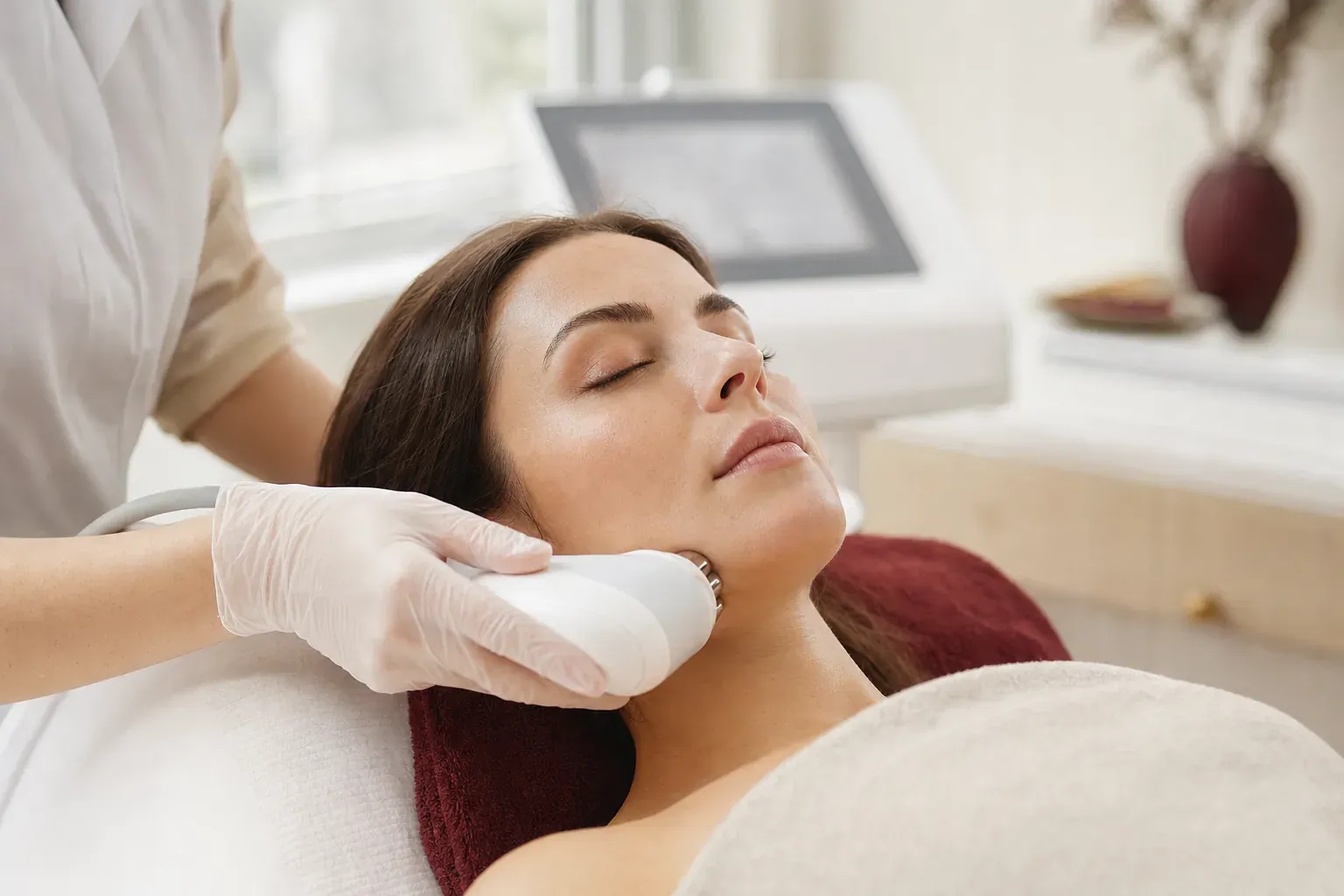
RF stands for radio frequency. The device delivers radiofrequency energy into the skin through a handpiece that the cosmetologist glides smoothly over your face. In the deeper layers of the skin, this energy turns into heat. The surface of the skin isn’t punctured or damaged.
Collagen is what keeps skin dense and firm. With age the body makes less of it, and the skin gradually softens: the jawline becomes less defined and fine lines appear. Collagen also breaks down faster with UV exposure and smoking, and skin can sag after rapid weight loss. Heat makes collagen fibers contract, and in response skin cells start producing new collagen. This process takes weeks, so the results of RF lifting are judged after the course.
Who radiofrequency skin tightening suits and what to expect
RF lifting is chosen when the skin has lost some tone and firmness. This most often shows along the jawline, on the neck and on the chest, where fine lines appear. The treatment works best for mild changes, when the skin has softened but doesn’t yet hang in folds. Age matters less here than the condition of your skin, so the cosmetologist first assesses how much firmness it has lost.
You can expect your skin to become firmer and fine lines to look less visible. RF lifting won’t remove deep folds, marked sagging or excess skin. Deep folds are treated with other methods, such as fillers, and marked sagging or excess skin is a job for a plastic surgeon. If your skin lacks hydration, other treatments may suit it better, such as biorevitalization, which is done by a cosmetic doctor. How much your skin changes depends on your age, its condition and your lifestyle, so results vary from person to person. Skin keeps aging naturally, so the effect isn’t permanent. Your cosmetologist will tell you after the course whether you need maintenance sessions.
RF lifting is unlikely to give your skin a quick refresh before a celebration, because its results build up gradually. Before an event, your cosmetologist may suggest oxygen mesotherapy, which is also one of the SOS treatments.
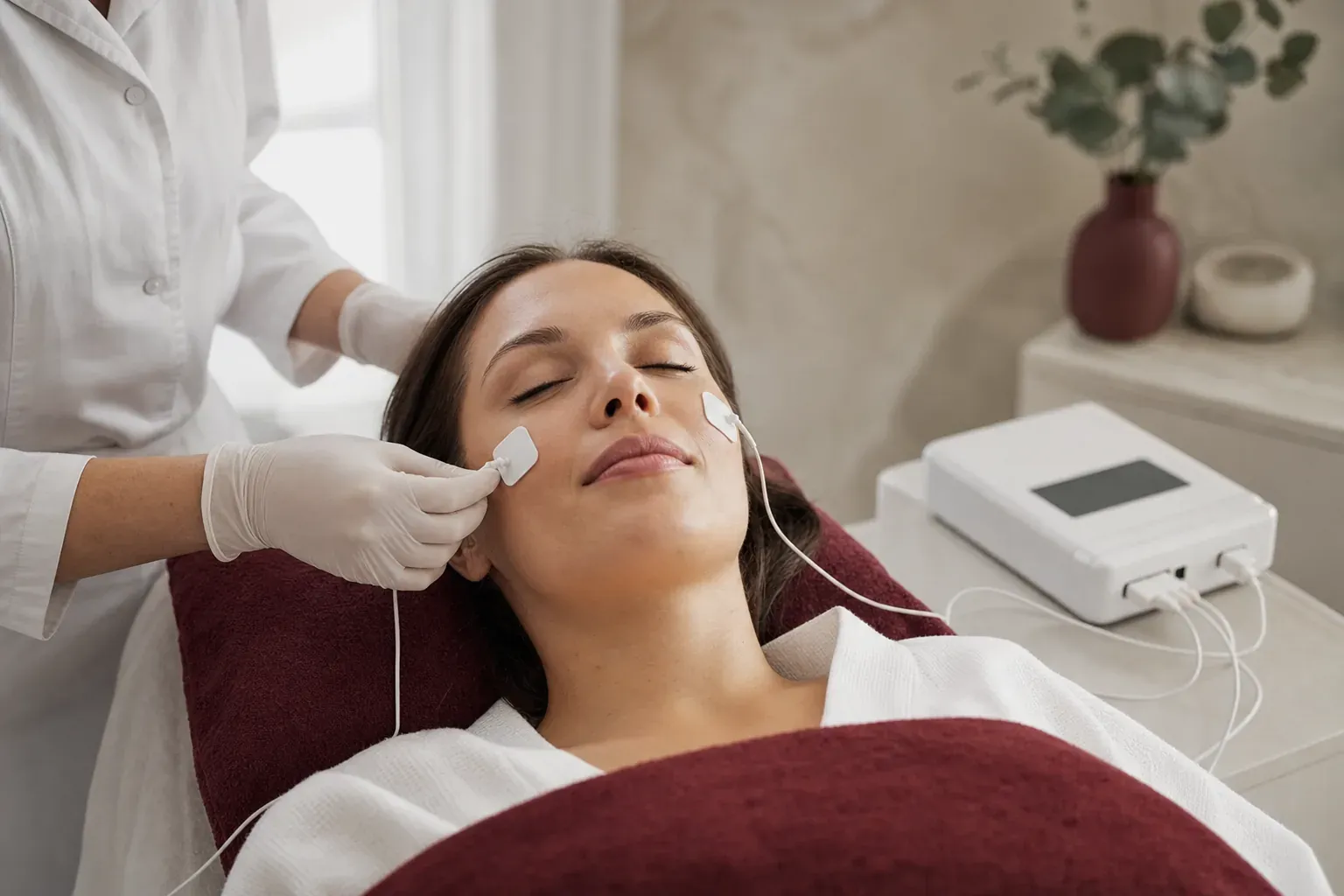
For skin tone, device-based cosmetology also offers muscle stimulation. It makes the facial muscles contract, while RF lifting heats the skin itself, so the two methods are sometimes combined. Our article on facial muscle stimulation explains how it works and what to expect.
If cellulite or local fat deposits on your body bother you more, they’re addressed with separate body treatments.
How RF lifting for the face goes and whether it hurts
Before your first treatment, the cosmetologist examines your skin, asks what’s bothering you and checks for contraindications. They then decide whether RF lifting suits you or whether another method or a combination would work better. The treatment usually needs no special preparation. If your skin is sunburned or inflamed, though, the session is postponed.
The skin is cleansed first, and then the cosmetologist slowly moves the handpiece over the area. You feel warmth. There’s usually no severe pain. If it gets too hot or uncomfortable, tell your cosmetologist right away.
Your skin may be slightly red after the treatment. This usually passes quickly and no separate recovery is needed: you can go back to your usual activities the same day. Your cosmetologist will advise you on skin care between sessions. Apply SPF every day: UV light breaks down collagen, so sun protection helps the results last longer.
If you develop blisters after a session, or pain and swelling get worse, contact your cosmetologist or a doctor the same day.
Who shouldn’t have RF lifting
The treatment isn’t done, or is postponed:
- during pregnancy;
- if you have a pacemaker or another implanted electronic device;
- if there are metal implants in the treatment area;
- if you have cancer;
- if there’s inflammation, broken skin or a cold sore in the treatment area.
Radiofrequency energy can interfere with a pacemaker, and metal in the tissues heats up more than the skin around it. Heat can also make inflammation worse. Your cosmetologist checks the full list of contraindications at the consultation. Also tell them what medication you take and whether you’ve recently had a peel, cleansing or injections, since you may need a break between procedures.
RF lifting is one of the device-based cosmetology treatments at Viva Clinic. It’s done at the aesthetic medicine center at 16b/3 Kuzovkova St in Slavuta. You can book by phone, on Viber or Telegram.
Questions and answers
How many RF lifting sessions do I need?
RF lifting is usually done as a course, because new collagen forms gradually and the changes build up from one session to the next. Your cosmetologist decides how many sessions you need and how far apart after examining you: it depends on the area and the condition of your skin.
Can I have RF lifting during pregnancy?
No. RF lifting isn't done during pregnancy, and neither are treatments that use electric current. If you're breastfeeding, tell your cosmetologist as well: they'll check for contraindications and suggest which care you can have right now.
Is RF lifting done on the body?
Yes. At Viva Clinic, RF lifting is done on the face, neck, chest and body when the skin has lost firmness. For skin with cellulite and local fat deposits, there are other body treatments: vacuum thermal massage, ultrasonic cavitation and body wraps.
Can RF lifting be combined with other treatments?
Yes, if your cosmetologist recommends it. Device-based methods are combined with other procedures and care, including classic cosmetology, and the specialist puts the plan together after examining you. Tell them what you've had done recently, since some treatments need a break between them.