




Specialist care
Gastroenterologist in Slavuta
A Viva Clinic gastroenterologist in Slavuta sees patients with stomach, bowel, liver, gallbladder or pancreas problems. The consultation takes place at Viva Clinic at 27a Sobornosti St or 3 Danyla Halytskoho St (the exact address is confirmed when you book), and you can have an ultrasound, gastroscopy and colonoscopy at Viva Clinic without leaving Slavuta. Visits are by appointment: call us or message us on Viber.
Paid serviceGastroscopy and colonoscopy free with a referralBy appointment

At a glance
- Where
- 27a Sobornosti St or 3 Danyla Halytskoho St, Slavuta
- Hours
- Mon–Fri 8:00–17:00
- How to book
- phone or Viber
- Payment
- paid; gastroscopy and colonoscopy are free with a family doctor’s e-referral
When to see a gastroenterologist
- Pain or discomfort in the stomach area or under the ribs
- Frequent heartburn after meals, a bitter taste in the mouth, nausea or hiccups
- Bloating and gas
- Constipation, diarrhea, mucus or blood in the stool, a feeling of incomplete bowel emptying or discomfort around the anus
- Difficulty swallowing
- Sudden weight loss or loss of appetite for no clear reason
- Excess weight, bad breath or non-infectious skin rashes
- Long-term use of medicines, past chemotherapy or radiation therapy, or bariatric surgery
What a gastroenterologist visit includes
- Gastroenterology consultation with an abdominal exam
- Abdominal ultrasound, including the liver with measurement of the bile ducts and blood vessels
- Gastroscopy and esophagoscopy
- Colonoscopy
- Gastroscopy and colonoscopy under anesthesia, if you prefer
- Capsule endoscopy of the digestive tract
- Lab tests at the Diagnost-Lab laboratory
- Follow-up visit to review results, with a treatment plan, diet and lifestyle advice
What happens at a gastroenterology appointment
The doctor asks about your symptoms, daily routine, diet, lifestyle and the kind of work you do and its conditions. If you keep a food diary, bring it: it makes it easier to find what harms your digestion, including food allergies. Then the gastroenterologist examines your skin, mouth and tongue and feels your abdomen. After the exam, you agree on a plan of tests together.
When the results are ready, come back for a follow-up visit. The doctor will confirm the diagnosis, explain how serious the condition is, talk you through treatment, diet and lifestyle, and tell you how often to repeat your tests. The treatment depends on the condition and how severe it is: it may be medicines, lifestyle changes or, if needed, surgery.
After bariatric surgery, meaning surgical treatment of obesity, patients come to the gastroenterologist for a consultation and repeat tests. Once treatment is over and you have recovered, the clinic’s doctors recommend a preventive checkup every year.
Where to get a gastroscopy and colonoscopy in Slavuta
At Viva Clinic. The esophagus and stomach are examined during a gastroscopy, and the large intestine during a colonoscopy. If you feel anxious or have a strong gag reflex, you can have either procedure under anesthesia. They may need separate preparation, and the administrator will explain it when you book.
To examine the small intestine and other areas that are hard to reach with an endoscope, the doctor may suggest capsule endoscopy. You swallow a small capsule with a camera. It passes through the whole digestive tract and records it from the inside, and the gastroenterologist then looks through the images in detail.
The clinic also does abdominal ultrasound, including the liver with measurement of the bile ducts and blood vessels. Lab tests are done at our own Diagnost-Lab laboratory at 32 Sobornosti St.
What people see a gastroenterologist for
The gastroenterologist treats gastritis, duodenitis and gastroduodenitis, peptic ulcers, reflux esophagitis, dysphagia, esophageal diverticulum, hiatal hernia, stomach polyps and growths, and pancreatitis. People also come with cholecystitis and gallstones, biliary dyskinesia, fatty liver disease, hepatitis and cirrhosis, irritable bowel syndrome, colitis and dysbiosis. The tests may also reveal Crohn’s disease, hemorrhoids or sphincteritis.
The gastroenterologist sees patients in Slavuta, so you do not need to travel to Kyiv, Lviv or Khmelnytskyi for a consultation or endoscopy. Gastroscopy and colonoscopy are free with an electronic referral from your family doctor, as the clinic has a contract with the National Health Service of Ukraine (NSZU) for them. If you have signed a declaration with a Viva Clinic family doctor, basic lab tests and an ECG are free for you. A consultation with a gastroenterologist is paid. The clinic operates under Ministry of Health license No. 601.
Questions about seeing a gastroenterologist
Can I get a gastroscopy under anesthesia in Slavuta?
Yes, at Viva Clinic you can choose to have a gastroscopy or colonoscopy under anesthesia. If NSZU covers the test through a referral, the anesthesia is free for you too. It is recommended if you have a strong gag reflex or find it hard to face the procedure. The doctor will discuss whether this option suits you at the consultation.
How do I prepare for a gastroenterology appointment?
Usually no special preparation is needed. It is best to come on an empty stomach, without drinking, and not to brush any coating off your tongue. A gastroscopy, colonoscopy or some lab tests may need separate preparation, and the administrator will explain it when you book.
What should I bring to a gastroenterologist?
Results of any previous tests and exams, if you have them. If you keep a food diary, bring it too. Notes on what and when you ate help the doctor find factors that affect your digestion, including food allergies.
Why go back to the gastroenterologist for a follow-up?
To get a diagnosis and a treatment plan based on your test results. At the follow-up, the doctor goes over your lab tests, ultrasound or endoscopy, gives advice on diet and lifestyle and explains how often to repeat your tests.
What happens at a first gastroenterology visit?
The doctor first asks about your symptoms, daily routine, diet, lifestyle and the kind of work you do and its conditions. Then the doctor examines your skin, tongue and mouth and feels your abdomen. After the exam, the gastroenterologist discusses a plan of tests with you and prescribes treatment once the results are in.
When should I see a gastroenterologist?
Soon, if you have pain in the stomach area or under the ribs, or frequent heartburn, a bitter taste in the mouth, nausea, hiccups, bloating or bowel problems: diarrhea, constipation, or mucus or blood in the stool. See a doctor without delay if swallowing has become difficult or you have suddenly lost weight or appetite. If you have sudden severe abdominal pain, vomit blood or pass black stools, call an ambulance on 103.
What conditions does a gastroenterologist treat?
Gastritis, duodenitis and gastroduodenitis, peptic ulcers, reflux esophagitis, dysphagia, esophageal diverticulum, hiatal hernia, stomach polyps and growths, as well as cholecystitis, gallstones, biliary dyskinesia, pancreatitis, hepatitis, cirrhosis, fatty liver disease, colitis, irritable bowel syndrome and dysbiosis. Treatment is chosen after the tests: medicines, diet and lifestyle changes, and surgery if needed.
How do I book a gastroenterologist in Slavuta?
Call us or message us on Viber, and a Viva Clinic administrator will agree on a convenient time. Visits are by appointment, so you will not have to wait in line. When you book, the administrator will also explain whether you need to prepare for the visit, lab tests or endoscopy.
Articles: gastroenterology

What gastritis is and how it is treated
Gastritis is inflammation of the stomach lining. It is most often caused by the bacterium Helicobacter pylori or by long-term use of anti-inflammatory painkillers, and less often by alcohol and other factors. Treatment depends on the cause, so the doctor first confirms the diagnosis with an exam, lab tests and, if needed, a gastroscopy.

How to treat hemorrhoids at each stage
Hemorrhoid treatment depends on the stage and on which hemorrhoids are causing trouble. In the early stages, changes in diet and daily habits plus medicines prescribed by a doctor are usually enough. If that does not help, or hemorrhoids come out and have to be pushed back, a proctologist suggests minimally invasive procedures or surgery. The method is chosen after an exam, because other bowel conditions can cause similar symptoms.
Colonoscopy: what it is, how to prepare and whether it hurts
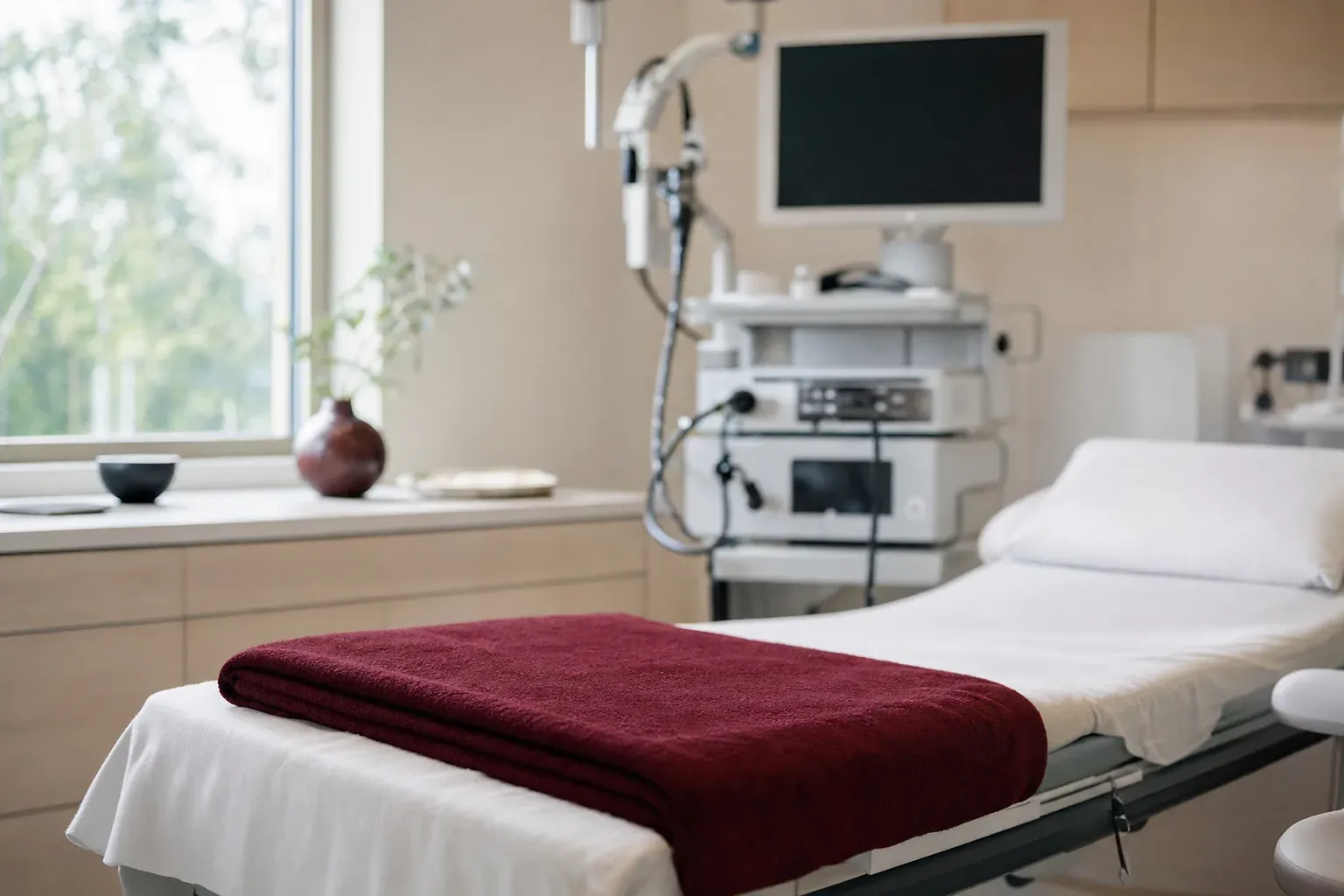
During a colonoscopy, a doctor examines the inside of the large intestine with a thin, flexible tube that has a camera on the end. So that the doctor can see the whole lining, the bowel is cleared in advance: a few days before, you switch to low-fiber food, and the day before, you drink a bowel prep solution as your doctor instructs. Without anesthesia the test can be unpleasant, so you can have it under anesthesia.

How to prepare for an abdominal ultrasound
Come to an abdominal ultrasound on an empty stomach, usually after 6–8 hours without food, which is why the scan is easiest to schedule in the morning. You can drink a little plain water. If you often get bloated, cut out the foods that make it worse for 1–2 days before the scan.

What hemorrhoids are and how to spot the early signs
Hemorrhoids develop when the blood vessel cushions in the lower rectum swell, bleed or slip out through the anus. Early on, they usually cause itching and discomfort around the anus and bright red blood on the toilet paper after a bowel movement. Always have rectal bleeding checked by a proctologist, because other bowel conditions cause the same symptom.
Other doctors and tests at Viva Clinic
Where to see a gastroenterologist in Slavuta
The exact address is confirmed when you book.
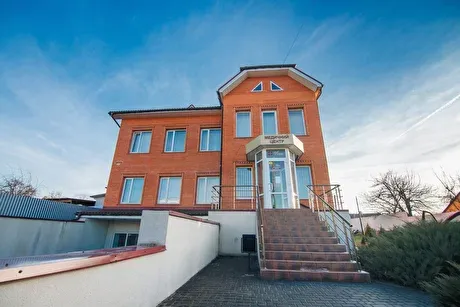
Day hospital
3 Danyla Halytskoho St, Slavuta, Khmelnytskyi Oblast
Mon–Fri 8:00–17:00
Open in Google MapsGoogle rating and reviews
Viva Clinic ratings on Google Maps and recent patient reviews. If you have visited us, please leave a review.
Polyclinic
27a Sobornosti St, Slavuta
4.443 reviews
Day hospital
3 Danyla Halytskoho St, Slavuta
4.515 reviews
Message or call us
Our administrators will help you choose a doctor and a convenient time.