
Lip augmentation with filler: how lip fillers are done
At Viva Clinic in Slavuta, lips are enhanced with a hyaluronic acid filler: after a consultation, a cosmetic doctor numbs the skin with an anesthetic and injects the gel with a fine needle, and the session takes 30–50 minutes. Your lips stay swollen for a few days, so the final shape is judged once the swelling goes down. According to the clinic, the effect lasts from 6 months to 2 years, depending on the product and your body.

Published Updated 4 min read
What lip fillers are
Lip augmentation means injecting a filler, a gel-like product based on hyaluronic acid. It’s used to add volume to the lips, change their shape, correct asymmetry or smooth lines above the upper lip. Fillers can also be based on collagen or calcium hydroxylapatite, but only hyaluronic acid fillers are used for lips. Hyaluronic acid is also found in your own skin, where it holds on to water, so the product hydrates the lips as well. Hyaluronic acid fillers differ in density, and your doctor decides which one suits your lips at the consultation.
Botulinum toxin isn’t used to enlarge lips, because it relaxes muscles and doesn’t add volume. We explain the difference between these treatments in the article Botox or fillers.
Consultation and contraindications
A consultation with a cosmetic doctor is required before the procedure. Say what bothers you and what you’d like to change: volume, contour or symmetry. The doctor examines your lips and the skin around them, checks for contraindications and explains what result is realistic for your lips. The doctor chooses the product and the amount at the same time.
List every medication you take, especially anything that affects blood clotting. It’s recommended to stop anticoagulants 2–3 days before the procedure, but only with the agreement of the doctor who prescribed them. Don’t stop them on your own. If you’ve had lip filler before, say when and, if you remember, which product was used.
Lip fillers aren’t done:
- during pregnancy or breastfeeding;
- with active herpes;
- with inflammatory skin conditions on the face or acute infections;
- with blood clotting disorders or anticoagulant use;
- with an allergy to any component of the product.
The doctor checks the full list of contraindications at the consultation. The procedure is done from age 18.
How lip augmentation is done
If you have a wedding, photo shoot or other event coming up, book well in advance so any swelling and bruising have time to fade. Avoid alcohol the day before: it can make bruising worse.
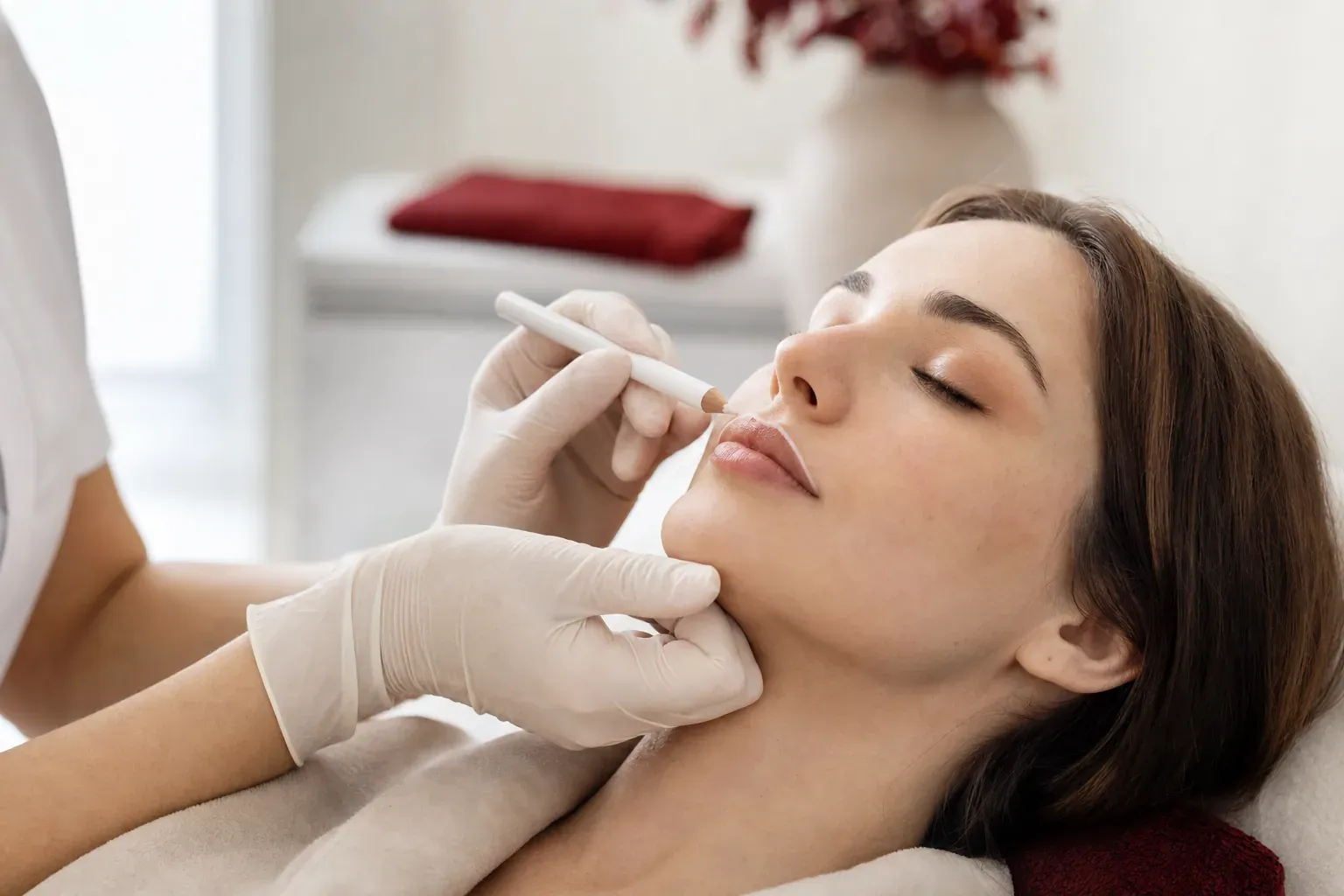
On the day of the procedure, the doctor may mark the area, then cleanses your skin and applies an anesthetic. This is local anesthesia, and general anesthesia isn’t needed. Lips are more sensitive than many other areas, so if you don’t tolerate pain well, discuss pain relief with your doctor in advance. The filler is injected with a fine needle and spreads evenly in the tissue. The whole session takes 30–50 minutes, and you can go home afterward.
Lip fillers at Viva Clinic are done by certified cosmetic doctors at the aesthetic medicine center at 16b/3 Kuzovkova St in Slavuta.
When you’ll see the result and how long it lasts
Your lips look fuller right away, but their shape keeps changing for the first few days. Swelling makes them look bigger than they will later, and if it’s uneven, slightly asymmetrical too. Small bruises and redness may appear at the injection sites. The final shape is judged once all this has gone, usually after a few days. If asymmetry or lumps remain even then, see the doctor who did the procedure.
According to the clinic, the effect of fillers lasts from 6 months to 2 years. It depends on the product, the amount and your body. Lips move constantly, so filler may break down faster there than in less mobile areas of the face. Your doctor will tell you how long the result may last for you at the consultation when choosing the product.
We explain what to avoid in the first days after the procedure in the article lip fillers aftercare.
When to see a doctor urgently
Call the doctor who did the procedure immediately, without waiting until the next day, if severe pain develops and gets worse over time, or if the skin of your lips or around them turns white, blue or blotchy. These can be signs of reduced blood flow in the injection area, and help is needed as soon as possible. If you can’t reach the doctor, call an ambulance on 103.
Call 103 right away as well if your vision suddenly gets worse, your eye hurts, you see double or your eyelid droops, or if your face, tongue or throat swells quickly and breathing becomes difficult.
Contact a doctor the same day if the swelling gets worse after a few days, your lips feel hot and look red, or you notice pus, painful lumps or a fever.
Questions and answers
What happens to your lips when the filler wears off?
They gradually return to the shape they had before the procedure. The body breaks down hyaluronic acid slowly, so the change is smooth, with no sudden drop-off. You and your doctor decide together whether and when to repeat the procedure.
Can you get lip fillers if you often get cold sores?
Yes, but not during an outbreak: the procedure isn't done with active herpes. Injections can trigger a new outbreak, so tell your doctor if you often get cold sores on your lips. The doctor will advise you on how to prepare for the procedure.
When can lip augmentation be repeated?
When the effect has noticeably faded and the doctor sees no contraindications. There's no fixed time frame, because how fast filler breaks down depends on the product and your body. At a follow-up consultation, the doctor will examine your lips and decide whether a touch-up is needed and how much product to use.