Ultrasonic cavitation: how it works, who it suits and contraindications
In ultrasonic cavitation, low-frequency ultrasound acts on areas with local fat deposits, such as the abdomen, sides or thighs. It won't help you lose weight: the treatment doesn't affect your weight, and changes in volume differ from person to person. At Viva Clinic in Slavuta, cavitation is done after an examination, and among other contraindications it isn't done during pregnancy or for people with a pacemaker, liver or kidney disease, or cancer.

Published Updated 4 min read
How ultrasonic cavitation works
Cavitation is the formation of tiny bubbles in a liquid that quickly grow and burst. Low-frequency ultrasound causes cavitation in body tissue. Its frequency is much lower than that of the ultrasound used for diagnostic scans, and bubbles form most easily at low frequencies. The idea behind the method is that the bubbles damage the membranes of fat cells, and the body gradually processes the released fat, with part of that work done by the liver.
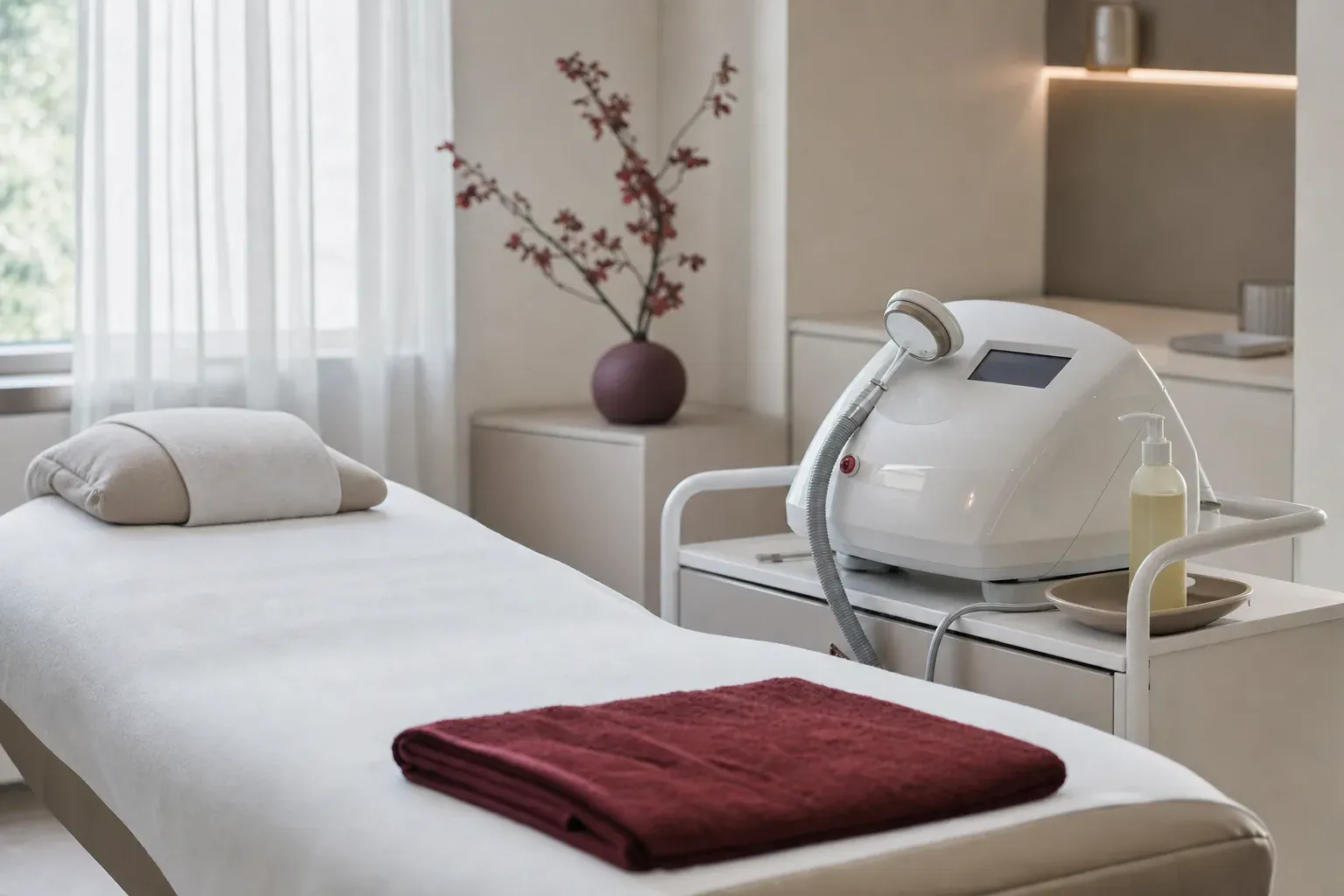
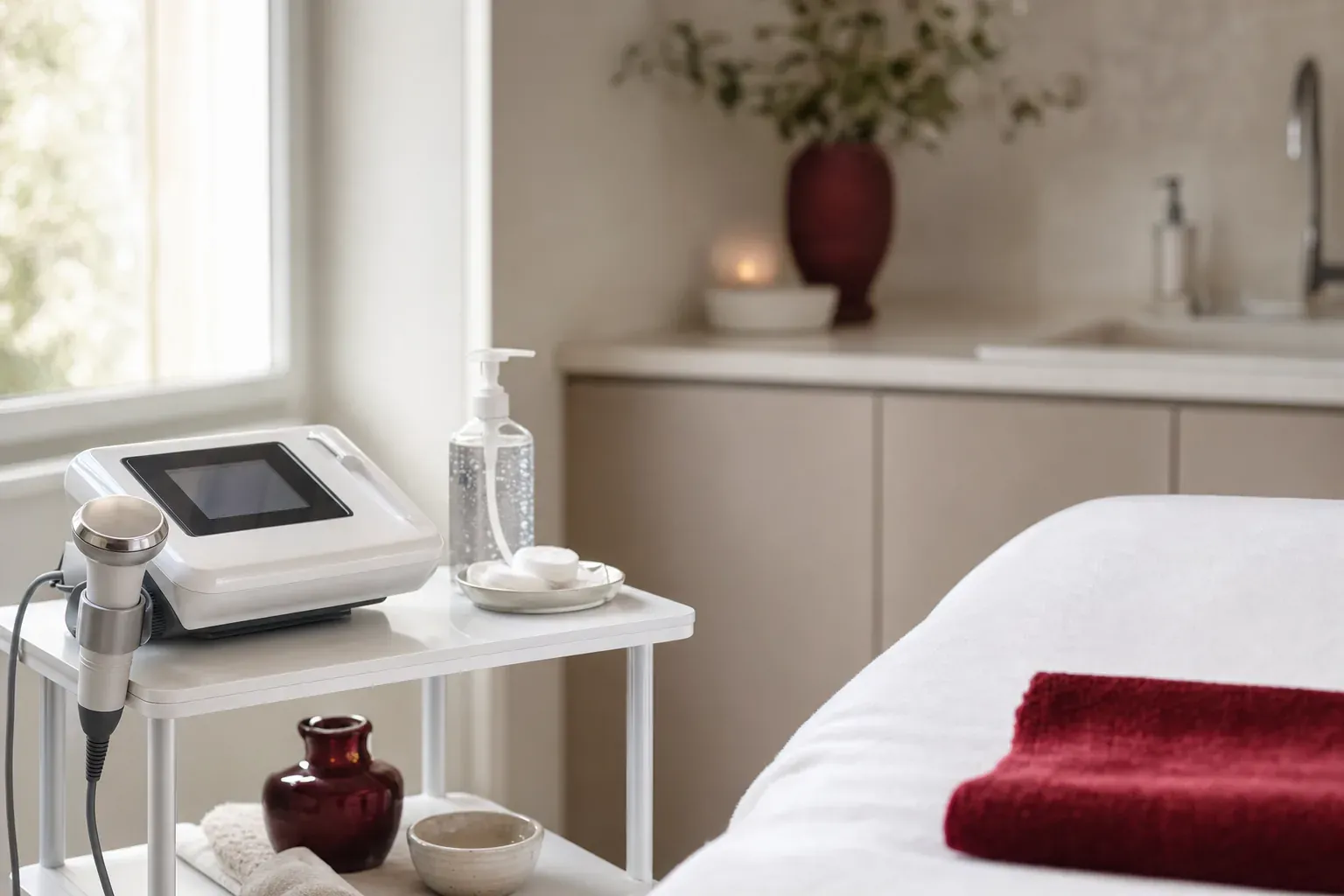
During the treatment, gel is applied to the skin and the specialist moves the device’s handpiece over the area. The skin isn’t cut or punctured, and no anesthesia is needed. The changes after cavitation are more modest than after surgical fat removal, and they appear gradually.
Cavitation is done where there are local fat deposits: on the abdomen, sides or thighs. It’s used to shape body contours and in care for skin with cellulite, although there’s no evidence yet that ultrasound on its own reduces cellulite. Our article on cellulite explains why even slim women have it and what helps make it less visible.
Why cavitation won’t help you lose weight and who it suits
Cavitation only affects the fat under the skin in the area where the handpiece works. It doesn’t change your weight or reduce the fat around your internal organs. That’s why cavitation isn’t used for weight loss, and it doesn’t replace diet and exercise.
The treatment suits people whose weight is stable and close to their usual weight but who still have fat deposits in certain areas. Sometimes fat on the abdomen or sides stays even when a person is active enough and doesn’t overeat. With significant excess weight, cavitation will change little. Changes in diet and activity are what help there, and if your weight is rising for no clear reason, see a family doctor or an endocrinologist first.
Don’t expect quick changes after the first session. The body processes the released fat gradually, so the changes are assessed after the course, and they differ from person to person. To track your results, you can measure the area before the first session and after the last.
If the skin on your abdomen or thighs has lost firmness, the cosmetologist may suggest other treatments: a cold body wrap with a cryo-activator or RF lifting for the body, which is part of device-based cosmetology.
How a cavitation session goes and what to do between treatments
At your first visit, the cosmetologist examines the area, asks about your health, any conditions and medication, and checks for contraindications. You also discuss which area to treat and what you expect from the course. Then the specialist sets up the device and does the session.
Cavitation usually doesn’t hurt. You feel a slight warmth, and when the handpiece passes closer to the bones, some people hear a faint high-pitched sound. If it becomes unpleasant, tell the specialist. You can go back to your day after the session.
If cavitation is combined with vacuum thermal massage, your skin may look pink after the massage. If you bruise easily, mention it before the treatment and the specialist will adjust the vacuum strength.
Between treatments, cosmetologists usually advise moving more and drinking enough water. When you’re active, the body uses fat as a source of energy, so the results also depend on how you eat and move during the course. If you develop pain that gets worse, swelling, or you feel unwell after a treatment, contact your cosmetologist or a doctor the same day.
Cavitation contraindications
Cavitation isn’t done, or is postponed, in these cases:
- pregnancy;
- a pacemaker;
- metal implants in the treatment area;
- liver or kidney disease;
- a blood clot in a vein (thrombosis);
- cancer;
- skin inflammation in the treatment area.
Liver disease is on the list because the liver helps process the released fat. If you have a cold, a fever or a flare-up of a chronic illness, the session is postponed. Also tell your cosmetologist about varicose veins and any medication that affects blood clotting: this determines which treatment you can have. The specialist checks the full list of contraindications at your first visit, so mention any chronic illnesses and past operations, even if they seem unrelated.
Cavitation is part of the body treatments at Viva Clinic, done at the aesthetic medicine center at 16b/3 Kuzovkova St in Slavuta. You can book by phone, on Viber or Telegram.
Questions and answers
How many centimeters can I lose with cavitation?
Nobody can tell you in advance. How much the volume changes depends on your body, diet and activity, so Viva Clinic doesn't promise a specific number of centimeters. After examining the area, the specialist will explain what you can realistically expect.
How many cavitation sessions do I need?
Cavitation is usually done as a course. After examining you, the specialist will advise how many sessions you need and how often to come, because it depends on the area, your skin and whether you combine cavitation with other treatments.
Will the fat come back after cavitation?
It can if you gain weight. Cavitation doesn't protect against weight gain, and fat can build up again, including in the same areas. A stable weight, regular exercise and a moderate diet help the results last longer.
Which is better: cavitation or vacuum massage?
They do different jobs. Cavitation uses ultrasound on local fat deposits, while vacuum thermal massage kneads and warms the tissue and is chosen to care for skin with cellulite and to relax. They can be combined in one visit, and the specialist will advise what you need after examining you.