What blood pressure is normal for adults
Doctors consider a blood pressure of about 120/80 mmHg normal for an adult. Hypertension is diagnosed when repeated readings in the doctor's office are 140/90 or higher, or home readings are 135/85 or higher. These limits are the same for adults of any age, and if you need treatment, your doctor sets your personal target.


What the numbers 120/80 mean
A blood pressure monitor shows two numbers. The first, systolic or “top” pressure, is the force of blood pushing against the artery walls when the heart contracts. The second, diastolic or “bottom” pressure, is measured while the heart relaxes between beats. Both are recorded in millimeters of mercury (mmHg).
A reading of 120/80 mmHg is considered a good result for an adult. The risk of heart and blood vessel disease rises gradually as blood pressure goes up, so doctors use generally accepted reference points. Readings between 120/80 and 140/90 are not yet called hypertension, but they are a reason to check your blood pressure more often and look at your lifestyle. Different medical guidelines call this middle zone normal, high-normal or elevated blood pressure.
The home threshold is lower: people are calmer at home, and their readings are usually a little under what the doctor measures in the office. The doctor looks at the average over several days of measurements.
Doctors don’t diagnose hypertension from a single reading. Blood pressure changes during the day and goes up for a while with stress, coffee or climbing stairs quickly. The doctor looks at readings taken on different days and at your home diary, and orders 24-hour blood pressure monitoring if needed.
Does normal blood pressure change with age?
No. The “100 plus your age” formula that you may still hear about is not used in current medical guidelines.
With age, arteries become stiffer, and in many people blood pressure does rise gradually. That doesn’t make it any safer: in older people, high readings raise the risk of stroke and heart attack just as much.
What depends on age is the treatment target. For an older person with several conditions, the doctor may set a different target and lower blood pressure more slowly.
Children and teenagers have separate tables: a pediatrician assesses their blood pressure based on age, sex and height.
How to measure blood pressure at home correctly
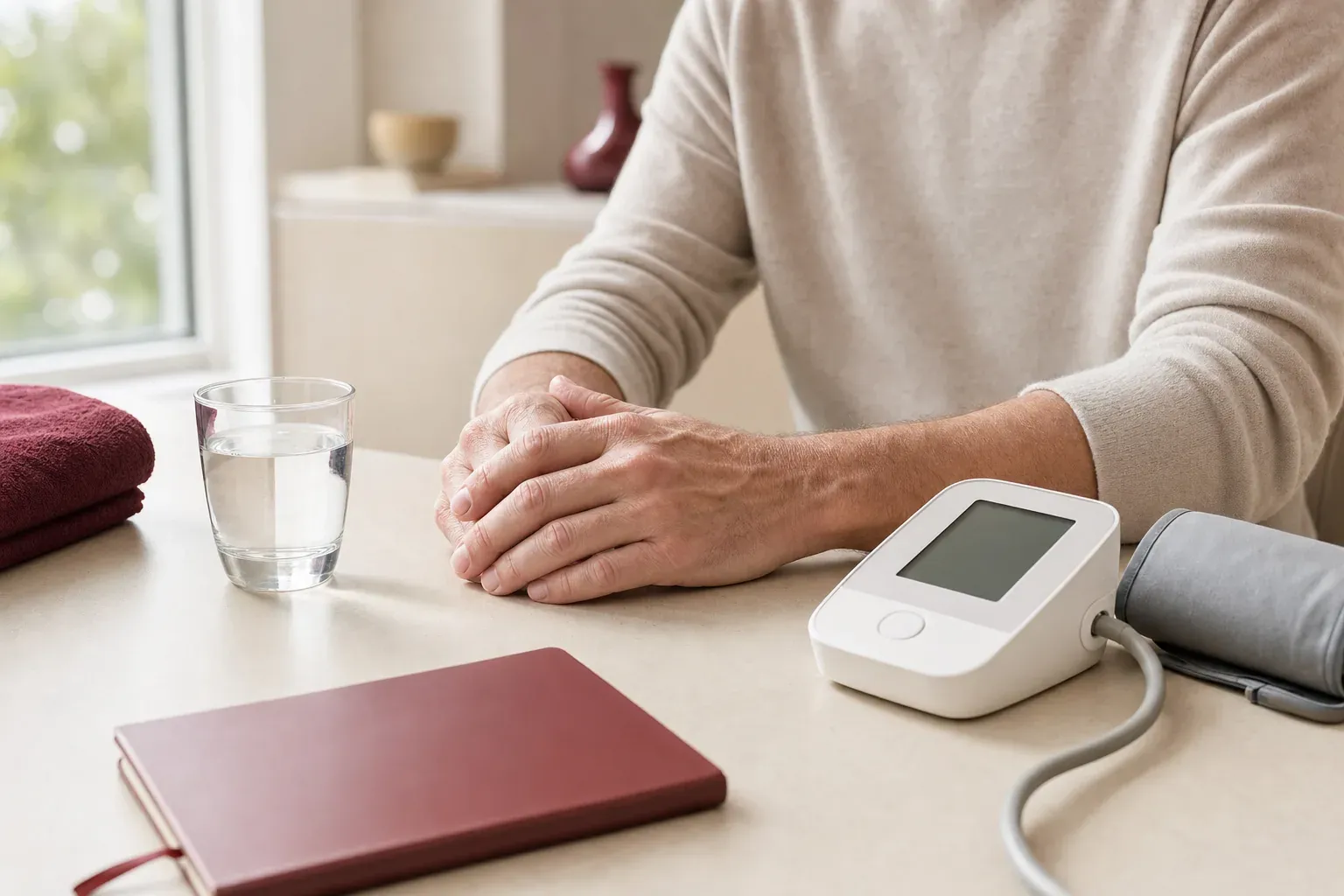
The most accurate option at home is an automatic monitor with an upper-arm cuff. The cuff must fit your arm, and the size range is usually printed on the cuff or the box. A cuff that is too small gives falsely high readings.
Before and during the measurement:
- for 30 minutes beforehand, don’t smoke, drink coffee or strong tea, or exercise, and empty your bladder;
- sit on a chair with a back, put your feet flat on the floor, don’t cross your legs, and rest quietly for 5 minutes;
- put the cuff on your bare arm with its lower edge 2–3 cm above the crease of your elbow;
- rest your arm on a table so the cuff is at heart level;
- don’t talk while the monitor is working;
- take two readings 1–2 minutes apart and write both down.
The first time, measure your blood pressure on both arms. If one arm consistently shows higher numbers, use that arm from then on.
Before a doctor’s appointment, it helps to keep a 7-day diary: two readings in the morning, before breakfast and medication, and two in the evening. Write down the date, time, blood pressure and pulse, along with how you felt and any medicines you took. The doctor will compare these notes with the readings taken in the office.
When to see a cardiologist
Book an appointment if:
- your home readings are 135/85 or higher for several days in a row, or your office readings are 140/90 or higher;
- your blood pressure changes sharply during the day;
- you are already being treated for hypertension, but your numbers stay outside the range your doctor gave you;
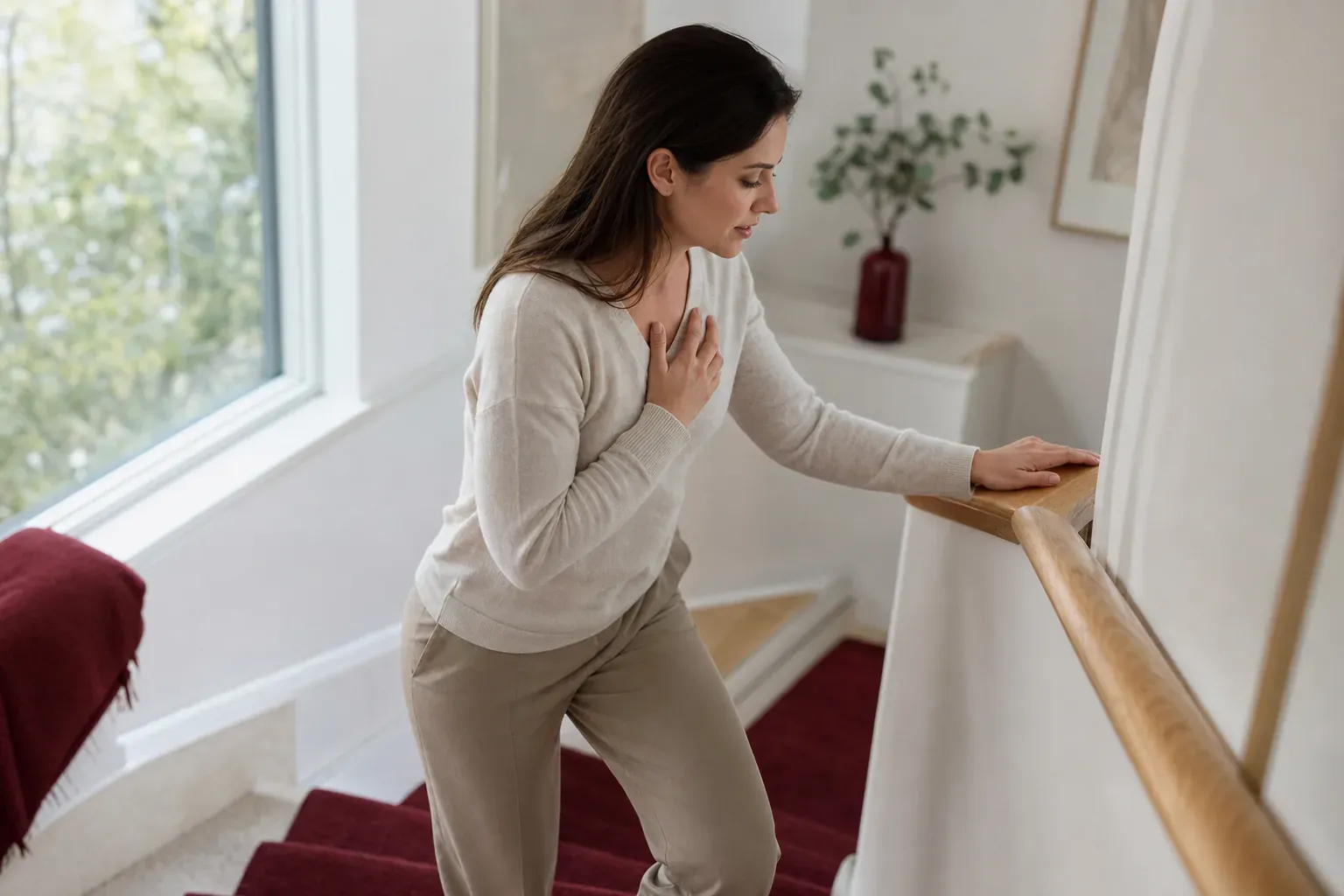
- you have headaches, dizziness, skipped heartbeats or shortness of breath;
- you have diabetes or kidney disease, or close relatives have heart disease.
A cardiology consultation at Viva Clinic takes place in Slavuta at 27a Sobornosti St or 3 Danyla Halytskoho St, and the exact address is confirmed when you book. The doctor will ask about your symptoms and medicines, examine you and record an ECG. If the doctor needs to see how your blood pressure changes over a full day, they may order 24-hour blood pressure monitoring, which is done at the polyclinic at 27a Sobornosti St. You can book by phone or on Viber.
If you have signed a declaration with a Viva Clinic family doctor (in Ukraine, a patient’s registration with a primary care doctor), blood pressure checks at the appointment, an ECG and basic lab tests are free for you. A consultation with a cardiologist is paid.
If your blood pressure suddenly rises and you have chest pain, shortness of breath, weakness in an arm or trouble speaking, call an ambulance on 103. If the monitor shows high numbers without these symptoms, read High blood pressure: what to do at home.
Questions and answers
Why is blood pressure higher at the doctor's office than at home?
Usually because of nerves. This is called the white coat effect: blood pressure rises at the appointment but stays normal at home. The opposite also happens, when home readings are higher than in the office. To find out what is going on, the doctor asks you to keep a home diary or orders 24-hour blood pressure monitoring.
Can I use a wrist blood pressure monitor?
You can, but wrist devices make mistakes more often than monitors with an upper-arm cuff, so doctors recommend an automatic upper-arm monitor. If you do use a wrist device, hold your wrist at heart level during the measurement and keep still.
Is a blood pressure of 100/60 normal?
Yes, if you feel well. These numbers are common in young, slim people and don't need treatment. If low blood pressure comes with dizziness, weakness or fainting, see a doctor to find out the cause.
What blood pressure is considered high during pregnancy?
The same as outside pregnancy: 140/90 mmHg or higher. If you see readings like this, contact the doctor who is monitoring your pregnancy the same day. If your blood pressure is 160/110 or higher, or high blood pressure comes with a severe headache, flashing lights in front of your eyes or pain under your ribs, call an ambulance on 103.