Anemia: symptoms, causes and what to do
Anemia means your blood has too little hemoglobin: for adults, the WHO uses a cutoff of 120 g/L for women and 130 g/L for men. It most often shows up as tiredness, shortness of breath on exertion, a racing heart and pale skin. Iron deficiency is the most common cause, but iron supplements should only be taken on a doctor's advice, once tests have confirmed that this is the cause.

What are the symptoms of anemia?
Hemoglobin carries oxygen. When there isn’t enough of it, your organs get less oxygen than they need, and people most often notice:
- tiredness and weakness that don’t go away with rest;
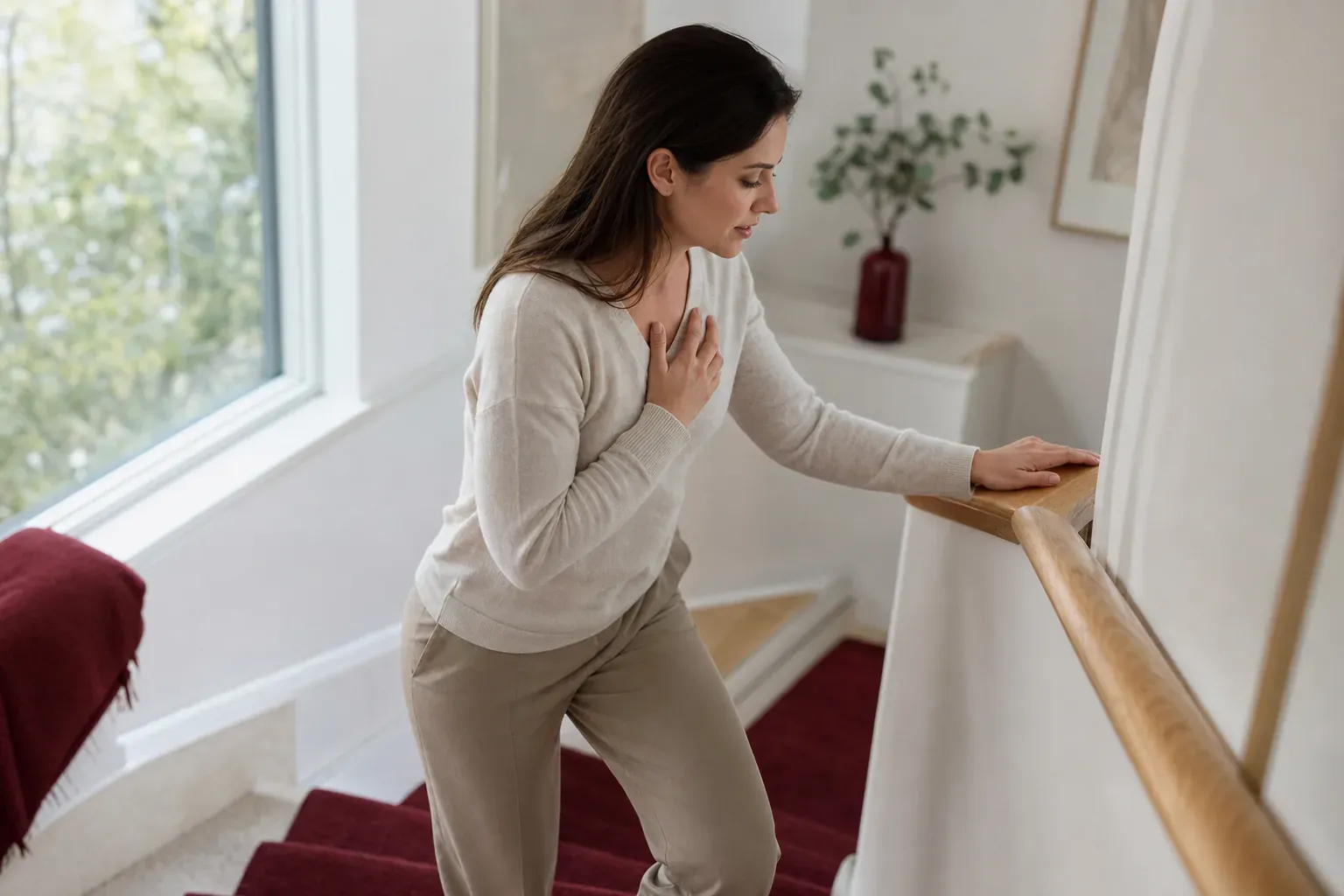
- shortness of breath during everyday activity, such as climbing stairs;
- a fast heartbeat;
- pale skin, pale lips and a pale inner lining of the eyelids;
- dizziness, headaches or ringing in the ears.
Some signs hint at the cause. With iron deficiency, nails become brittle, hair falls out and cracks appear at the corners of the mouth, and some people notice an odd urge to chew ice or chalk. A lack of vitamin B12 can cause numbness and tingling in the hands and feet, an unsteady walk, memory problems and a sore red tongue. These symptoms sometimes appear before hemoglobin drops. A yellowish tinge to the skin and dark urine along with weakness can occur when red blood cells are destroyed faster than usual.
If anemia is mild and has developed slowly, the body adapts and you get used to feeling tired. Low hemoglobin is then often found by chance on a routine blood test.
What causes anemia?
Iron deficiency is the most common reason for low hemoglobin. Iron is lost with blood through heavy periods or hidden bleeding from the stomach or bowel, more of it is needed during pregnancy, and sometimes it isn’t absorbed well or there’s too little in your diet. How iron stores are measured is explained in the article on the ferritin test.
Other types of anemia are less common:
- B12 and folate deficiency anemia. Vitamin B12 is absorbed less well with autoimmune gastritis, after stomach or bowel surgery and with long-term use of some medicines for diabetes and heartburn, and people who don’t eat animal products may not get enough of it. Folate runs low with a diet short on vegetables and greens, regular drinking and during pregnancy.
- Anemia of chronic disease. It accompanies rheumatoid arthritis, inflammatory bowel disease and long-lasting infections. There may be enough iron in the body, but inflammation makes it harder to use for making hemoglobin. In kidney disease, anemia also develops because the kidneys produce less of the hormone that stimulates red blood cell production.
- Hemolytic anemias, where red blood cells are destroyed too early, and anemias linked to the bone marrow, when it makes too few blood cells. When the bone marrow is the cause, white blood cells or platelets are often abnormal too. These anemias are investigated by a hematologist.
Which tests do you need for anemia?
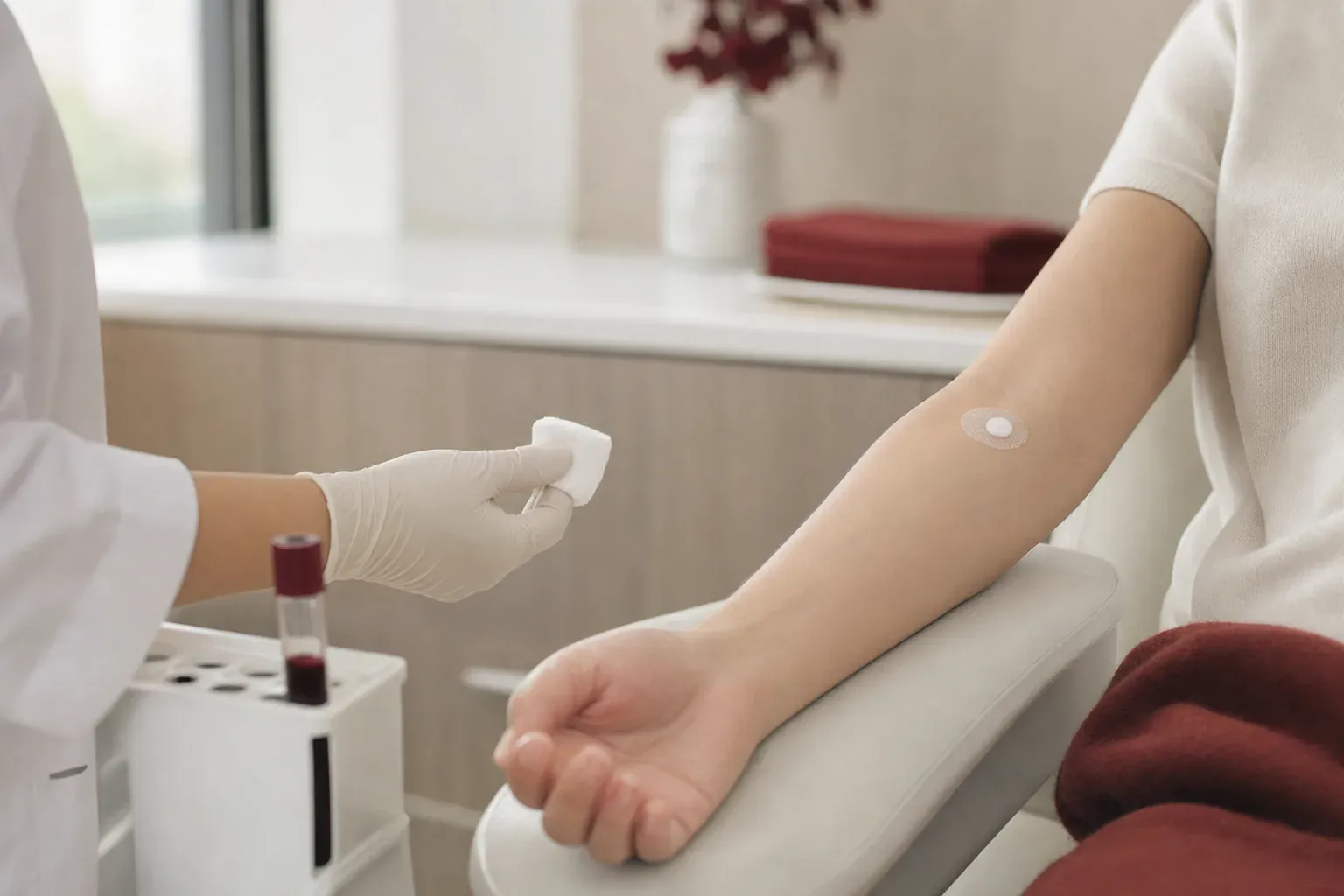
A complete blood count confirms anemia. Besides hemoglobin, the doctor looks at the average size of your red blood cells (MCV), because it suggests which cause to check first. Next, ferritin is usually ordered to assess your iron stores, along with vitamin B12. If needed, the doctor adds a reticulocyte count (young red blood cells, which show whether the bone marrow is keeping up with blood renewal), folate, and liver and kidney function tests.
A complete blood count with differential, ferritin, vitamin B12 and liver and kidney tests can be done at Viva Clinic’s Diagnost-Lab laboratory at 32 Sobornosti St, 4th floor. Ask about the other tests when you book. If you have signed a declaration with a Viva Clinic family doctor (in Ukraine, this is how you register with a primary care doctor), a complete blood count is free when that doctor orders it.
You can take your results to an internist or family doctor. If the cause can’t be found, the anemia is severe or comes back after treatment, or your white blood cells or platelets are also abnormal, you need a hematologist consultation at Viva Clinic. The hematologist sees patients at 27a Sobornosti St or 3 Danyla Halytskoho St; the exact address is confirmed when you book. The consultation is paid, you don’t need a referral, and you can book by phone or on Viber.
Why you shouldn’t take iron on your own
Iron supplements are easy to buy, and many people start taking them as soon as they see low hemoglobin. But iron only helps when the anemia is caused by iron deficiency. If the cause is a lack of B12, a chronic illness or an inherited red blood cell trait, the tablets won’t work and time will be lost. If iron is low because of hidden bleeding, the supplement may raise hemoglobin for a while, and the condition causing the blood loss will be found later.
The body has almost no way to get rid of excess iron, so taking it for a long time without need can let it build up in your organs. And a child who accidentally swallows a few iron tablets may need emergency care.
So it’s a doctor who decides on iron supplements, their form and dose and how long to take them, once the cause of the anemia is known. They’ll also tell you when to repeat the test to check that the treatment is working.
When to seek urgent care
Call an ambulance (103) if along with weakness you have shortness of breath at rest or chest pain, you have fainted, you have vomited blood, your stools have turned black and tarry, or heavy bleeding has started.
See a doctor the same day if your weakness has become much worse over a few days, you notice blood in your stool, your skin or the whites of your eyes turn yellow, your urine darkens, numbness in your legs and unsteadiness when walking are quickly getting worse, or you develop unexplained bruises and a high temperature along with paleness.
Questions and answers
Why might a man have low hemoglobin?
Most often because of hidden blood loss or a chronic illness. In adult men, diet alone rarely explains anemia, so the doctor checks the digestive tract, kidneys, signs of inflammation and vitamin B12 levels. Don't start taking iron on your own before you've had tests and seen a doctor, so the search for the cause isn't delayed.
Can I raise my hemoglobin through diet?
Only partly. Meat, fish and legumes help maintain iron stores, but food usually won't correct anemia you already have. Diet also won't help if your hemoglobin dropped because of bleeding, a chronic illness or poor absorption. Find out the cause with your doctor first.
What hemoglobin level is considered low in pregnancy?
The WHO defines anemia in pregnancy as hemoglobin under 110 g/L in the first and third trimesters and under 105 g/L in the second. During pregnancy the liquid part of the blood increases, so hemoglobin drops slightly even in healthy women. The doctor managing your pregnancy will assess your result.
Can anemia be inherited?
Yes, but this is much less common than iron deficiency anemia. Inherited types include thalassemia and hereditary spherocytosis. If several relatives have anemia or you've had it since childhood, tell your doctor: these cases are investigated by a hematologist.