Low blood pressure: what to do and how to raise it
Low blood pressure usually means a reading under 90/60 mmHg. If you feel well, these numbers don't need treatment: in many young, slim people this is normal. If low blood pressure comes with dizziness, weakness or fainting, sit or lie down and raise your legs, then see a doctor to find out the cause.


Blood pressure of 90/60: when it’s normal
A reading of 90/60 or slightly lower is considered normal for a particular person if they feel well and can work and exercise without dizziness. These numbers are common in slim young women and in people who train regularly. In that case, no medicines or “energizing” remedies are needed.
It’s a different story when your blood pressure has dropped recently, is noticeably different from what is usual for you, or comes with symptoms. Then the doctor looks for the cause. Book an appointment if you have:
- dizziness or your vision going dark, especially when you stand up;
- weakness, sleepiness or nausea;
- fainting or a feeling that you are about to faint;
- palpitations or skipped heartbeats;
- a drop in blood pressure after starting new medicines.
What causes low blood pressure
Blood pressure often drops because of a lack of fluid: in hot weather, with a fever, after vomiting or diarrhea, or simply when a person doesn’t drink enough. Medicines are another common cause, including blood pressure medicines, diuretics and some drugs for the prostate or depression. The risk is higher when the dose was changed recently or when you take several medicines.
Other causes include:
- anemia, meaning a lack of hemoglobin: it causes weakness and dizziness on its own, and heavy blood loss makes blood pressure drop;
- heart conditions, such as a very slow pulse, rhythm problems or valve disease;
- hormonal disorders, for example when the adrenal glands don’t work well enough;
- long-standing diabetes, which can damage the nerves that control blood pressure.
Doctors also describe orthostatic hypotension, a sharp drop in blood pressure after a person stands up. The dizziness comes in the first seconds or minutes after getting out of bed or up from a chair. This is more common in older people, after lying down for a long time, in hot weather and after alcohol.
What to do if you feel dizzy
When your vision starts to go dark, first make sure you don’t fall:
- sit or lie down right away, even on the floor;
- if you lie down, put your legs up on a pillow or a chair;
- once you feel better, drink a glass of water;
- get up slowly: sit for a minute or two, then stand while holding on to something.
If someone faints, check whether they are breathing. If they are, lay them on their back and raise their legs, loosen a tight collar and belt, and open a window. From 28 weeks of pregnancy, lay a pregnant woman on her side instead. If the person isn’t breathing normally, call an ambulance on 103 right away. Don’t try to give them anything to drink until they are fully conscious.
Simple habits help raise blood pressure and reduce dizziness without medicine. Drink enough water, especially in hot weather and when you are ill. Don’t jump out of bed in the morning. Eat smaller meals more often, because in some people blood pressure drops after a big meal. Avoid standing still for long periods, as well as hot baths and saunas if they make you feel worse. Your doctor may suggest adding a little more salt to your food or wearing compression stockings, but do this only on their advice: with heart or kidney disease, these tips can do harm.
When to call an ambulance on 103
Call an ambulance if:
- a person has fainted and is still unresponsive after a minute;
- fainting happened during physical activity, with chest pain or a strong heartbeat, or the person hit their head when falling;
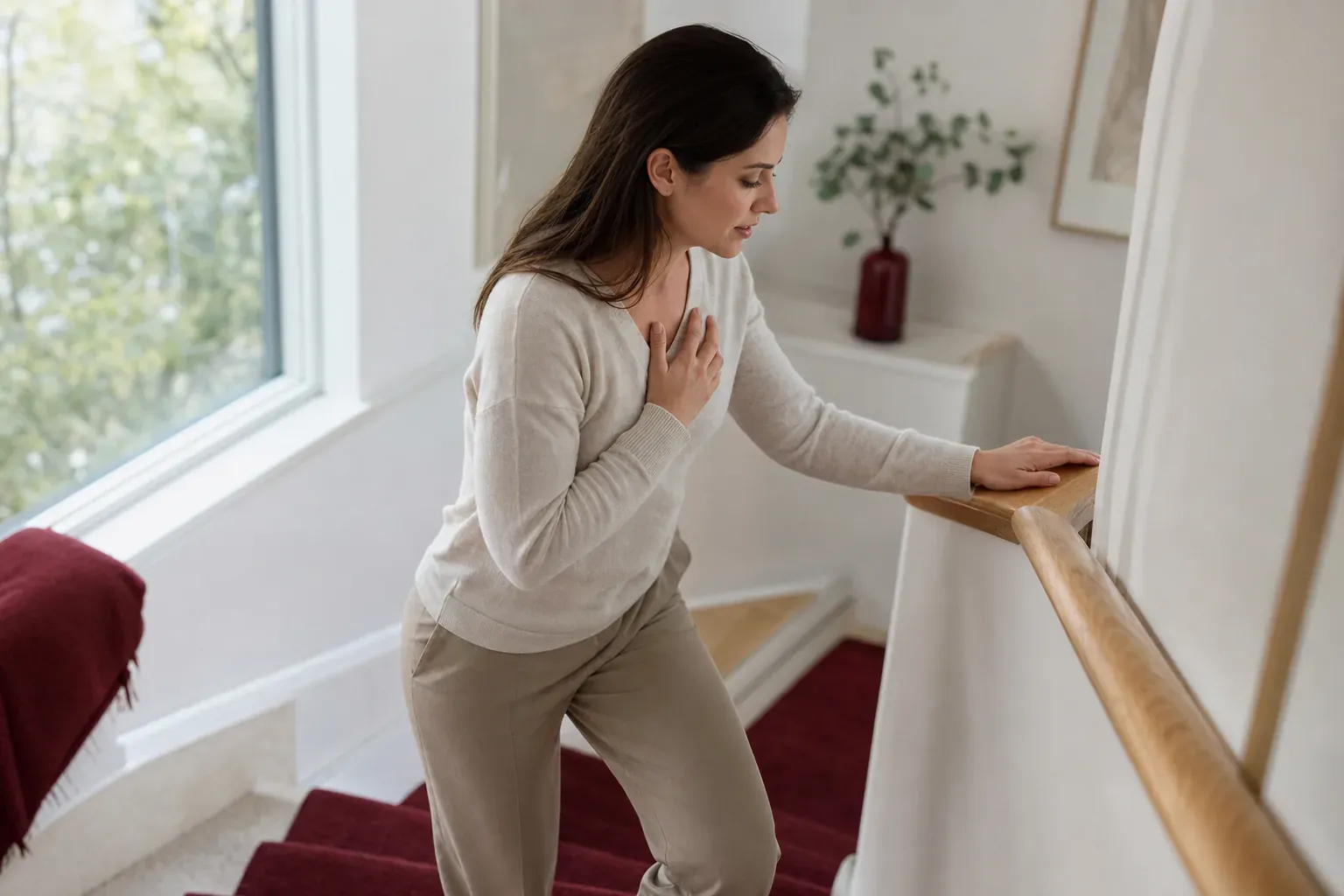
- low blood pressure comes with chest pain or shortness of breath;
- blood pressure dropped after an insect sting, a new medicine or a food, and there is swelling of the face, a rash or difficulty breathing;
- there are black stools, vomiting of blood or severe abdominal pain;
- after vomiting, diarrhea or overheating, the person hardly passes urine or is very drowsy or confused.
Even if you fainted once and came round quickly, see a doctor in the next few days.
Which tests a doctor orders
The doctor will ask when the symptoms appear and which medicines you take, and will measure your blood pressure and pulse. Blood pressure is often measured lying down and then standing, to see whether it drops when you get up. Next, the doctor usually orders an ECG, a blood glucose test and a complete blood count, which shows whether you have anemia. If the symptoms come and go, a Holter ECG or 24-hour blood pressure monitoring can help. The doctor adds hormone tests if a hormonal cause is suspected.
At Viva Clinic, a complete blood count, glucose and an ECG are free for patients who have signed a declaration with a Viva Clinic family doctor (in Ukraine, a patient’s registration with a primary care doctor), if that family doctor orders them. Lab tests are done at Diagnost-Lab at 32 Sobornosti St, 4th floor. ECGs and Holter monitoring are done at the polyclinic at 27a Sobornosti St, and Holter monitoring is paid.
If the cause may be in the heart, your family doctor will refer you to a cardiologist. A cardiology consultation at Viva Clinic takes place at 27a Sobornosti St or 3 Danyla Halytskoho St, and the exact address is confirmed when you book. You can book by phone or on Viber.
Questions and answers
Is low blood pressure dangerous?
Usually not on its own, if you have no symptoms. The danger lies in falls and injuries during dizzy spells, and in conditions that can make blood pressure drop suddenly, such as bleeding or heart rhythm problems. That is why new symptoms are worth showing to a doctor.
Can blood pressure medicine make blood pressure too low?
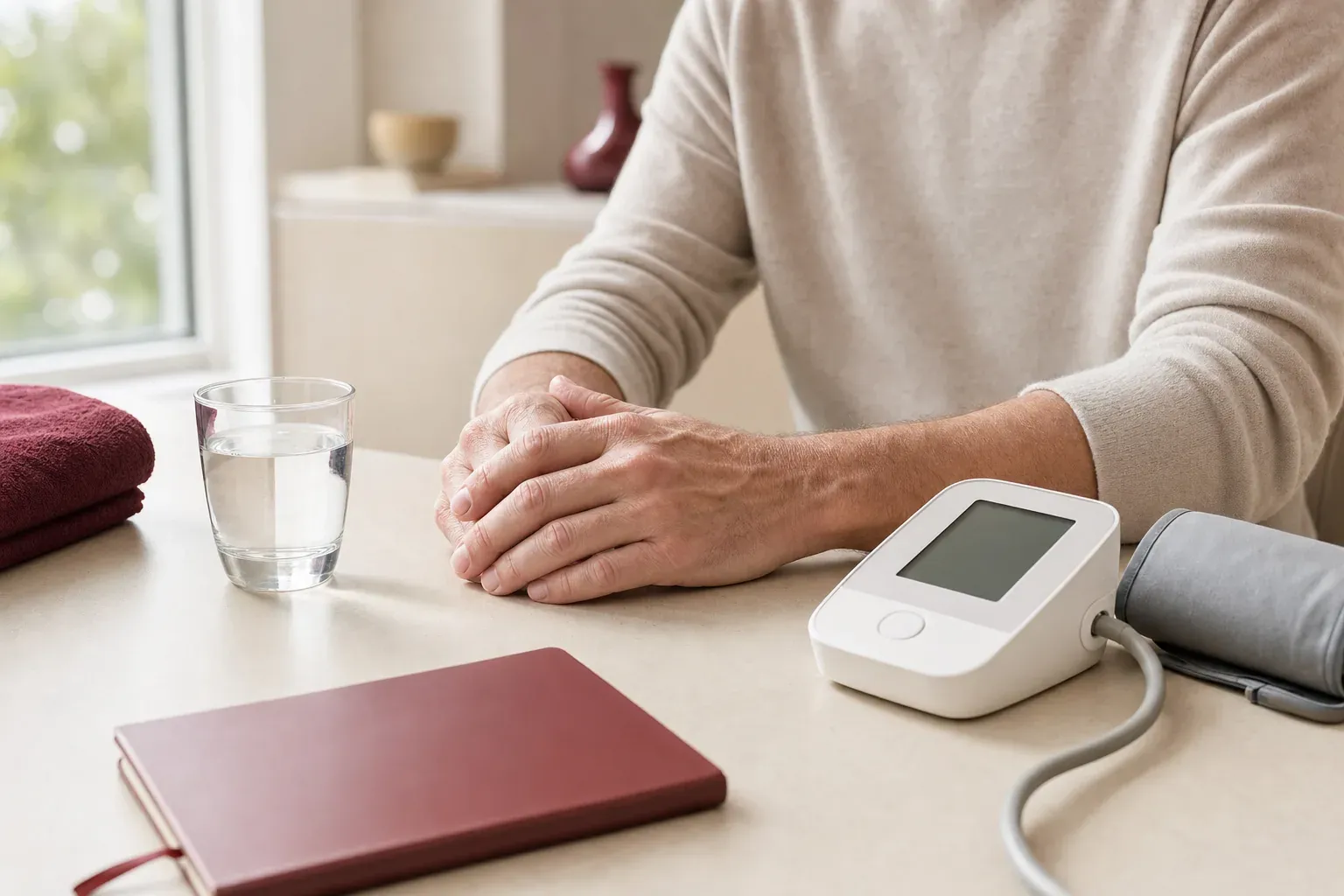
Yes. If the dose is too high or you take several medicines, blood pressure can drop too far, especially in hot weather or with dehydration. Don't stop your medicines on your own: measure your blood pressure for a few days, note the numbers and how you felt, and show your notes to the doctor, who can adjust the treatment.
Is low blood pressure common in pregnancy?
Yes, blood pressure often drops in the first half of pregnancy, and this is an expected change. Tell the doctor who is monitoring your pregnancy about any dizziness or fainting so they can check for anemia or dehydration. Get up slowly and avoid standing still for long.
Is it a good idea to raise blood pressure with coffee?
No, coffee isn't a treatment. It perks you up for a short time and raises blood pressure slightly, but it doesn't remove the cause of weakness or dizziness. In large amounts, coffee also causes palpitations and poor sleep. If you find it hard to get through the workday without coffee, see a doctor.