Laser treatment for varicose veins: preparation, procedure and recovery
Laser treatment for varicose veins, or endovenous laser ablation (EVLA), closes the affected vein from the inside through a small puncture, with no incisions. It is done on an outpatient basis, and a vascular surgeon decides whether it suits you after an exam and a vein ultrasound. After EVLA you usually go home the same day, and the doctor tells you what activity level and compression stockings you need.

Published Updated 5 min read
EVLA treats the vein from the inside. The laser heats the vein wall, the vein seals shut and blood stops flowing through it. Blood flow moves to healthy veins, and the closed vein is gradually absorbed by the body. The method is also called endovenous laser coagulation (EVLC).
Who laser treatment for varicose veins is for
EVLA is used when an ultrasound shows that the valves of the great or small saphenous vein are not working and blood flows backwards. Visible varicose veins on the leg most often start from these veins. Laser treatment does not suit every vein. If the vein is very twisted or lies too close to the skin, the doctor may suggest another method.
The procedure is usually postponed in case of an acute blood clot, skin inflammation on the leg, pregnancy or a flare-up of a serious chronic illness, and the doctor assesses your general health at the consultation. EVLA is not used for small spider veins, which are treated with other methods.
The vascular surgeon makes the decision after an exam and a vein ultrasound with color Doppler. To learn how varicose veins usually begin, read the article on the early signs of varicose veins.
How to prepare for the procedure
Preparation starts with a consultation. The doctor examines your legs, does a vein ultrasound and, if needed, orders blood tests (complete blood count, metabolic panel, lipid panel, coagulation panel), a urine test and an ECG. You can have the tests done at the Diagnost-Lab laboratory at 32 Sobornosti St. If you have had a vein ultrasound before, bring the report.
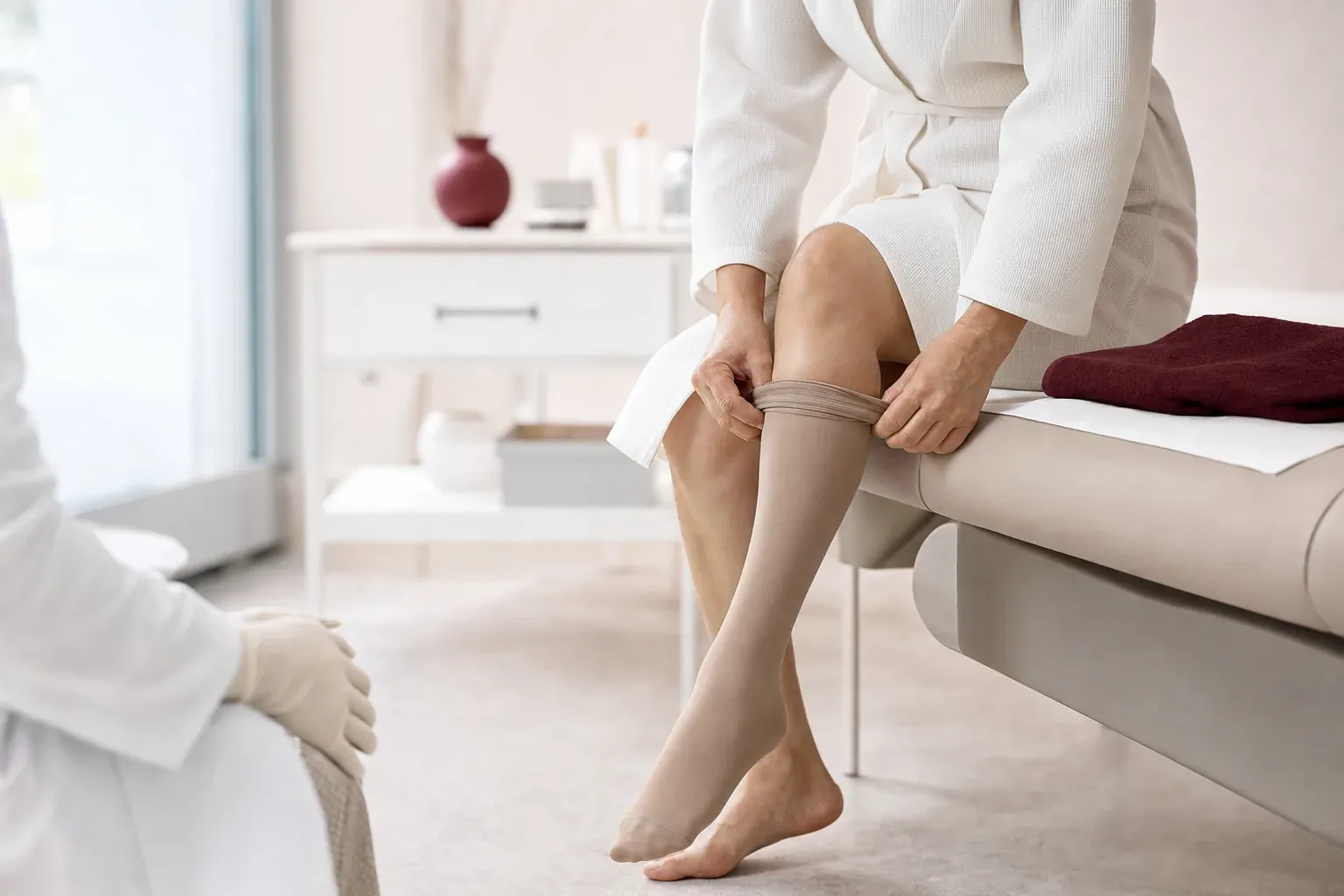
Before the procedure, tell the doctor about any medicines you take regularly, especially blood thinners, and whether you are allergic to anesthetics. Do not stop or change any medicines on your own, as the doctor decides that. People often buy compression stockings in advance so they can put them on right after the procedure. The doctor will tell you the class and size. On the day, it is easier to wear loose clothing that fits over the stockings.
What happens during laser treatment
EVLA is done under ultrasound guidance. The doctor marks the vein on the skin, makes a puncture and inserts a thin laser fiber into the vein. Anesthesia is local: a numbing solution is injected around the vein, and you stay awake the whole time. Then the doctor slowly pulls the fiber back, and the laser treats the vein along the required length. After the procedure, compression stockings are put on your leg.
At Viva Clinic, varicose vein treatment, including laser treatment, is outpatient, so you do not need to stay overnight. Laser treatment for varicose veins at Viva Clinic is performed by a vascular surgeon. The consultation takes place at 27a Sobornosti St or 3 Danyla Halytskoho St, and the exact address is confirmed when you book. It is paid, and you can book by phone or on Viber.
How to recover after laser treatment
Recovery after laser treatment for varicose veins is shorter than after traditional surgery with incisions. Doctors usually advise you to:
- walk on the day of the procedure and every day after, because movement speeds up blood flow in the deep veins;
- wear compression stockings for as long as the doctor prescribes;
- avoid heavy lifting, intense exercise, saunas and hot baths for the period your doctor sets;
- avoid sitting or standing still for long, and take breaks to walk around when traveling.
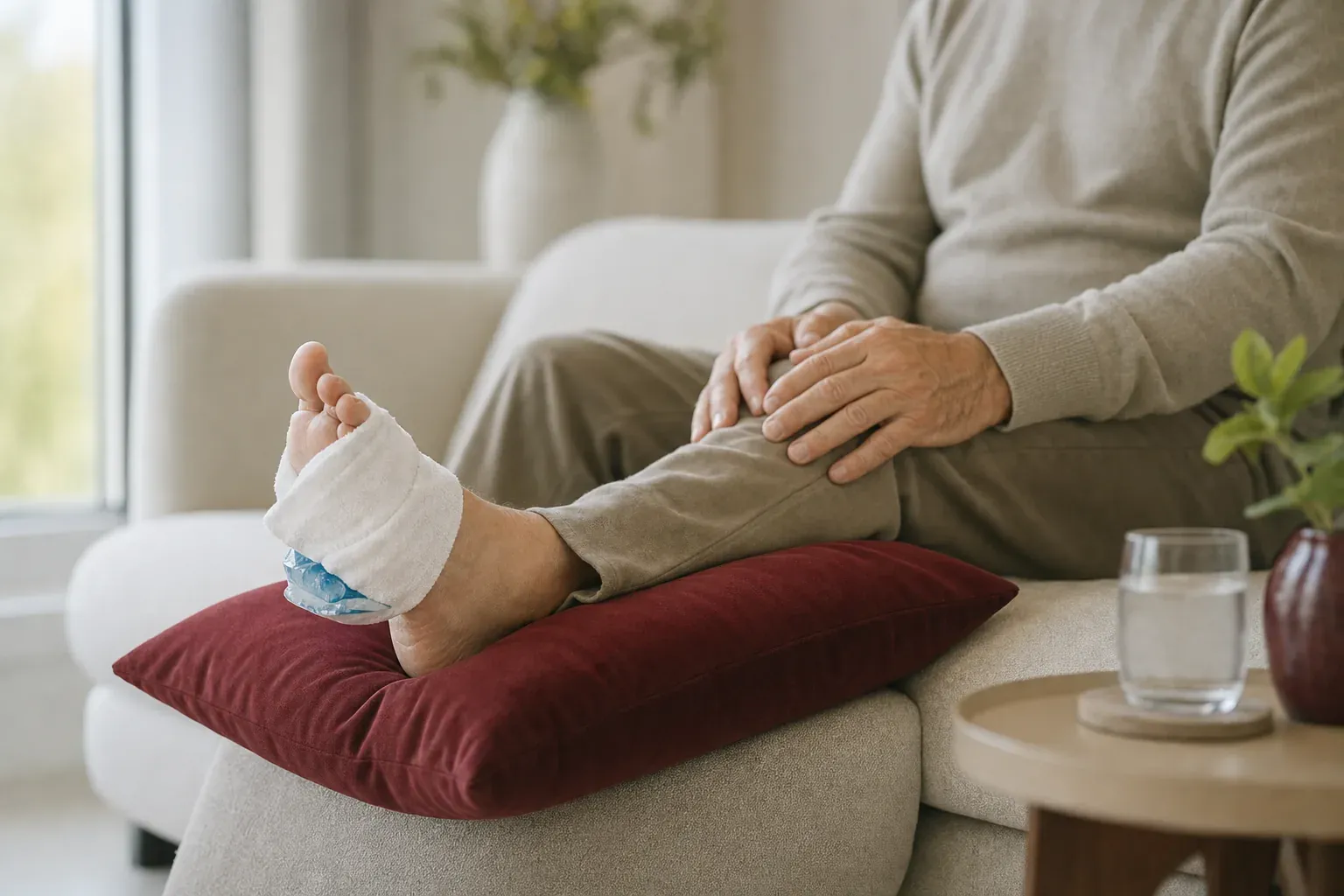
For the first few days the treated vein may feel tight, and bruises or firm areas may appear under the skin. They usually fade on their own within a few weeks. After treatment you will get advice on activity and stockings and come back for a follow-up visit, where the doctor checks the result.
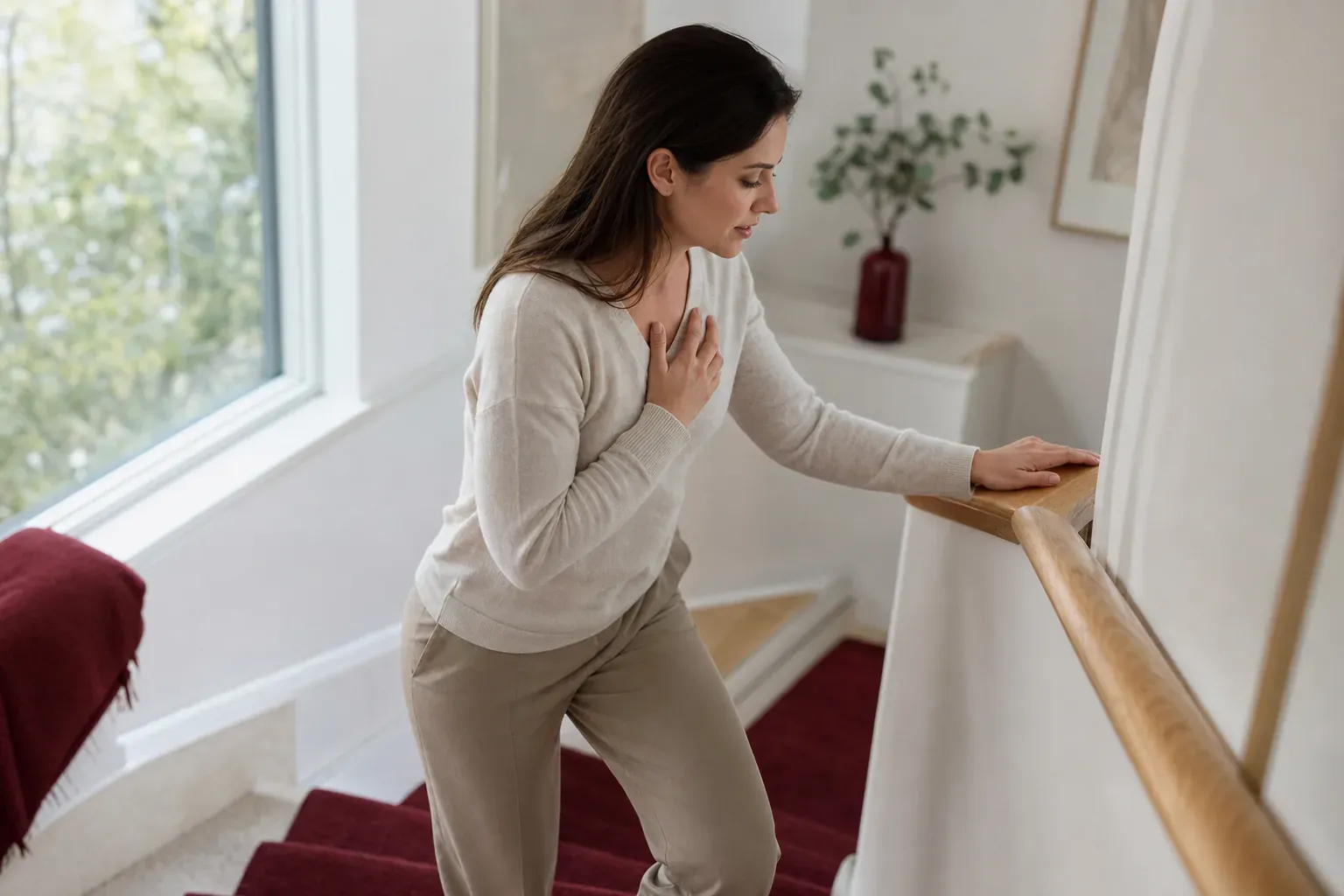
See a doctor the same day if your leg becomes very swollen, the pain gets worse, you have a fever, or a puncture site turns red and painful. Call an ambulance on 103 if you suddenly feel short of breath or have chest pain.
Can varicose veins come back after laser treatment
A vein closed with a laser usually stays closed and is gradually absorbed. However, the tendency to varicose veins remains, just as it does after traditional surgery, and other veins may enlarge over the years. This is more likely if varicose veins run in your family, after pregnancy, with excess weight or if you work on your feet. Sometimes the treated vein partly reopens, and then the doctor decides whether more treatment is needed.
To catch changes early, come to follow-up visits when your vascular surgeon schedules them. If heaviness, swelling or new visible veins appear between visits, book an earlier appointment. Daily movement, a healthy weight and breaks from sitting or standing at work lower the risk of new varicose veins. Doctors advise wearing compression stockings during pregnancy or long periods of work on your feet.
Questions and answers
Is laser treatment for varicose veins painful?
It is usually tolerable. The vein is numbed with a local anesthetic, so during the procedure you mostly feel touch, pressure or warmth. Afterwards there may be some discomfort in the leg for a while, and the doctor will explain how to ease it and which sensations are nothing to worry about.
How long does EVLA take?
Usually up to an hour per leg. The exact time depends on how many veins need treating, and the doctor will tell you at the consultation. With preparation you will spend longer at the clinic, but you go home the same day.
When can I go back to work after EVLA?
Most people go back within a few days if their work is not physical. If you lift heavy things or stand all day, the doctor may advise a longer break. The timing depends on how much was treated and how you feel, and the vascular surgeon decides it.
Can I have laser treatment for varicose veins in summer?
Yes, there is no medical reason to avoid summer. Compression stockings are harder to wear in the heat, so some people plan the procedure for cooler months. Choose a time when it will be easy for you to follow all of the doctor's aftercare advice.