

Viva Clinic doctors
Viva Clinic medical center, Slavuta
Articles are prepared by Viva Clinic specialists in Slavuta: gynecologists, urologists, ENT doctors, pediatricians, dermatologists, ophthalmologists, traumatologists and ultrasound doctors.
Articles by this author
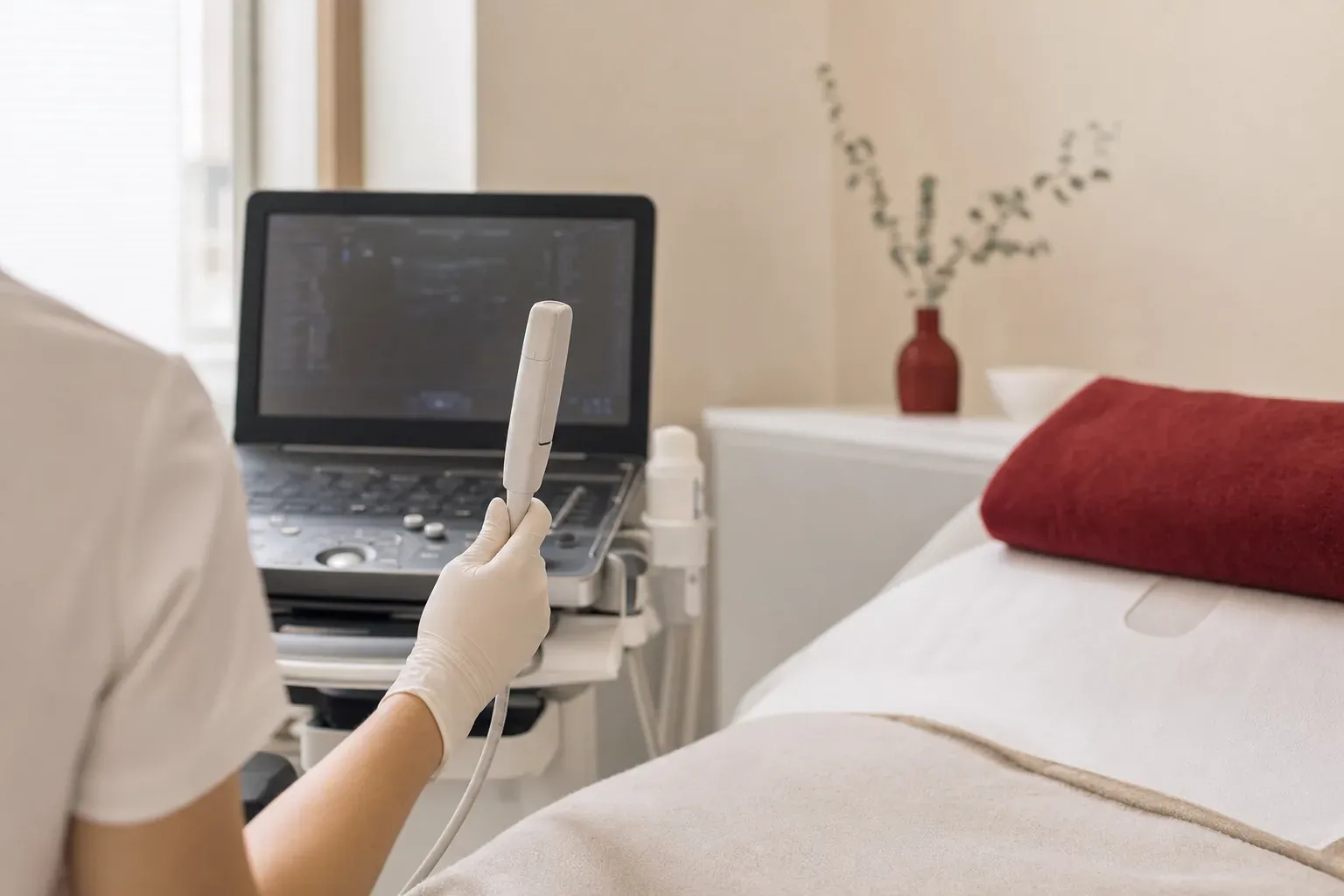
When to have a breast ultrasound and on which day of your cycle
A routine breast ultrasound is usually done in the first half of your cycle, roughly between days 5 and 12 counting from the start of your period, when your breasts are least swollen. After menopause, any day is fine. If you've noticed a lump or nipple discharge, don't wait for the right day and book an appointment with a mammologist, a breast specialist, straight away.
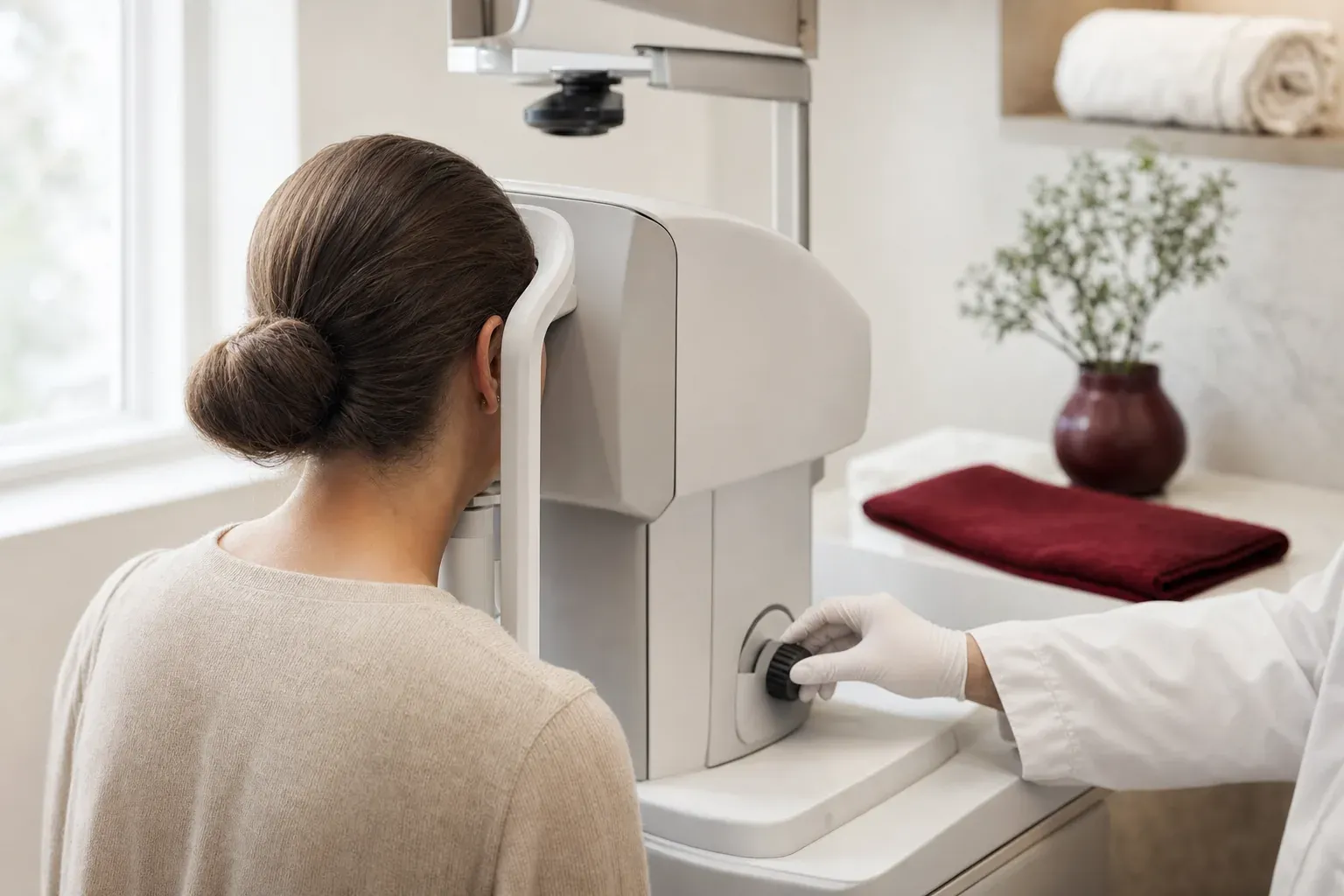
Eye pressure: what raises it and how it is checked
Eye pressure, or intraocular pressure, is the pressure of the fluid inside the eye. It rises when fluid drains out of the eye more slowly than it is produced, and over the years it can damage the optic nerve, which leads to glaucoma. Eye pressure usually isn't measured at home: an ophthalmologist checks it, and the measurement is painless and takes a few minutes.
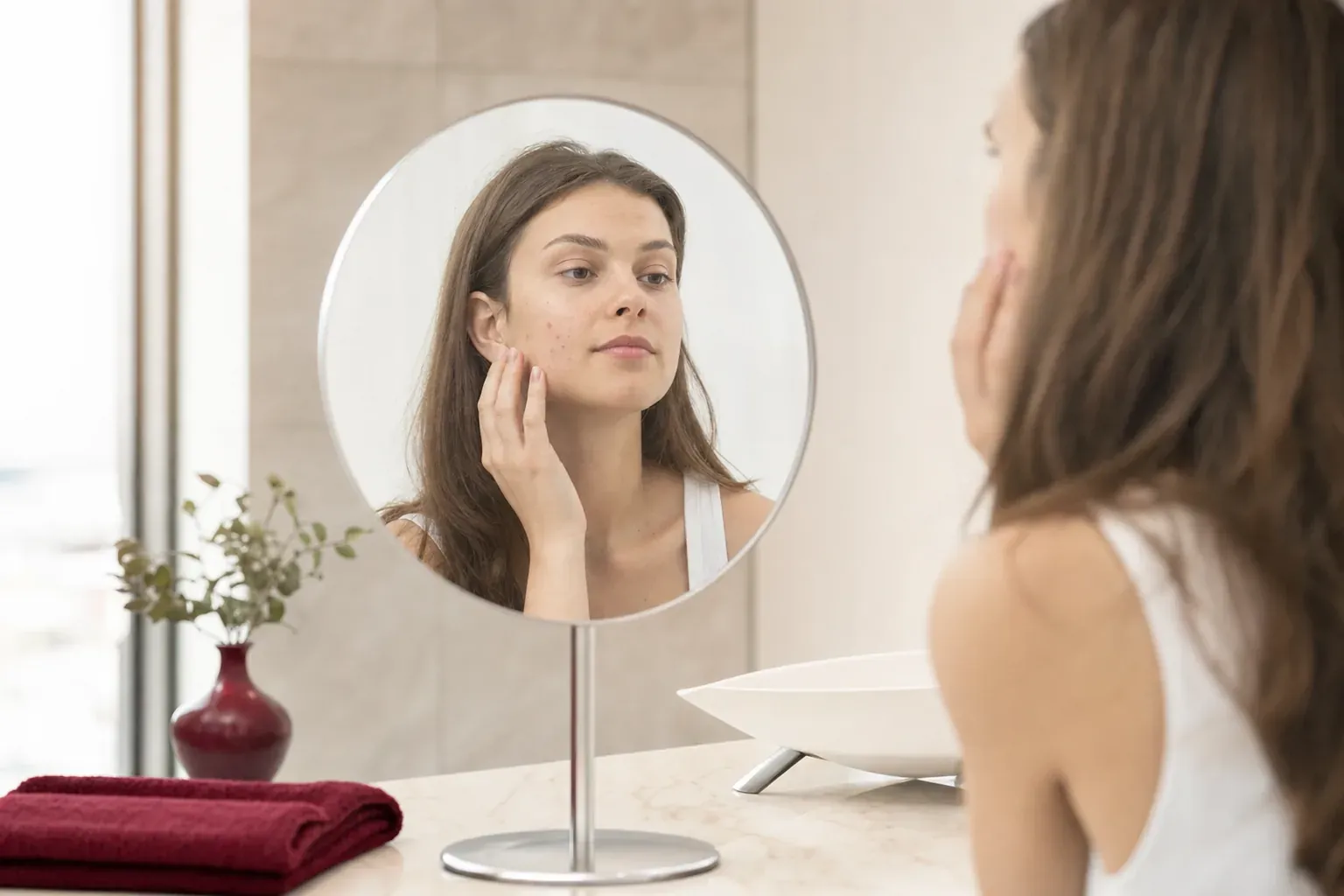
What is acne and how is it treated
Acne is a chronic inflammation of the oil glands and hair follicles. It shows up as blackheads and pimples, and sometimes as painful lumps on the face, chest or back. Mild acne can often be kept under control with skincare, but if lumps or scars appear, a dermatologist chooses the treatment.

What kidney pain feels like and how to tell it from back pain
Kidney pain is felt in the side of your lower back, just under the lowest ribs, usually on one side. It is dull and aching or comes in waves, as with renal colic, hardly changes when you move and often comes with a fever or changes in your urine. Back pain usually gets worse when you bend, twist or sit for a long time and eases when you rest.
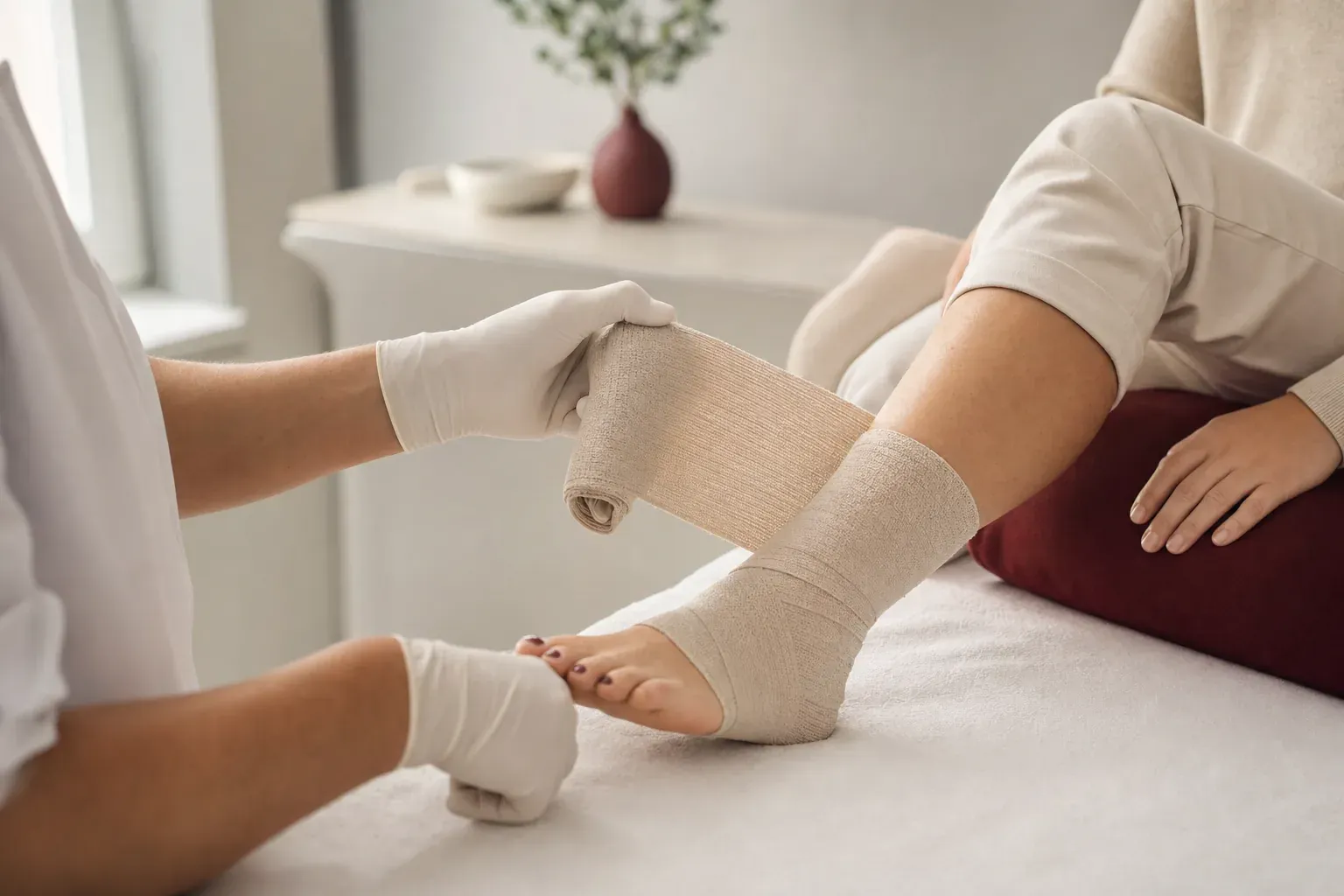
Ligament sprain: what to do and when to see a trauma doctor
In a sprain, some of the fibers in a ligament tear, so the joint hurts and swells, a bruise appears and moving it is painful. For the first 48 hours, rest the joint, apply cold through a cloth, wrap it in a moderately firm bandage and keep your leg raised. If you cannot stand on your leg or the joint looks deformed, go to a trauma unit (travmpunkt), where they will take an X-ray straight away. If the pain does not ease within a few days, see a trauma doctor to rule out a fracture or a torn ligament.
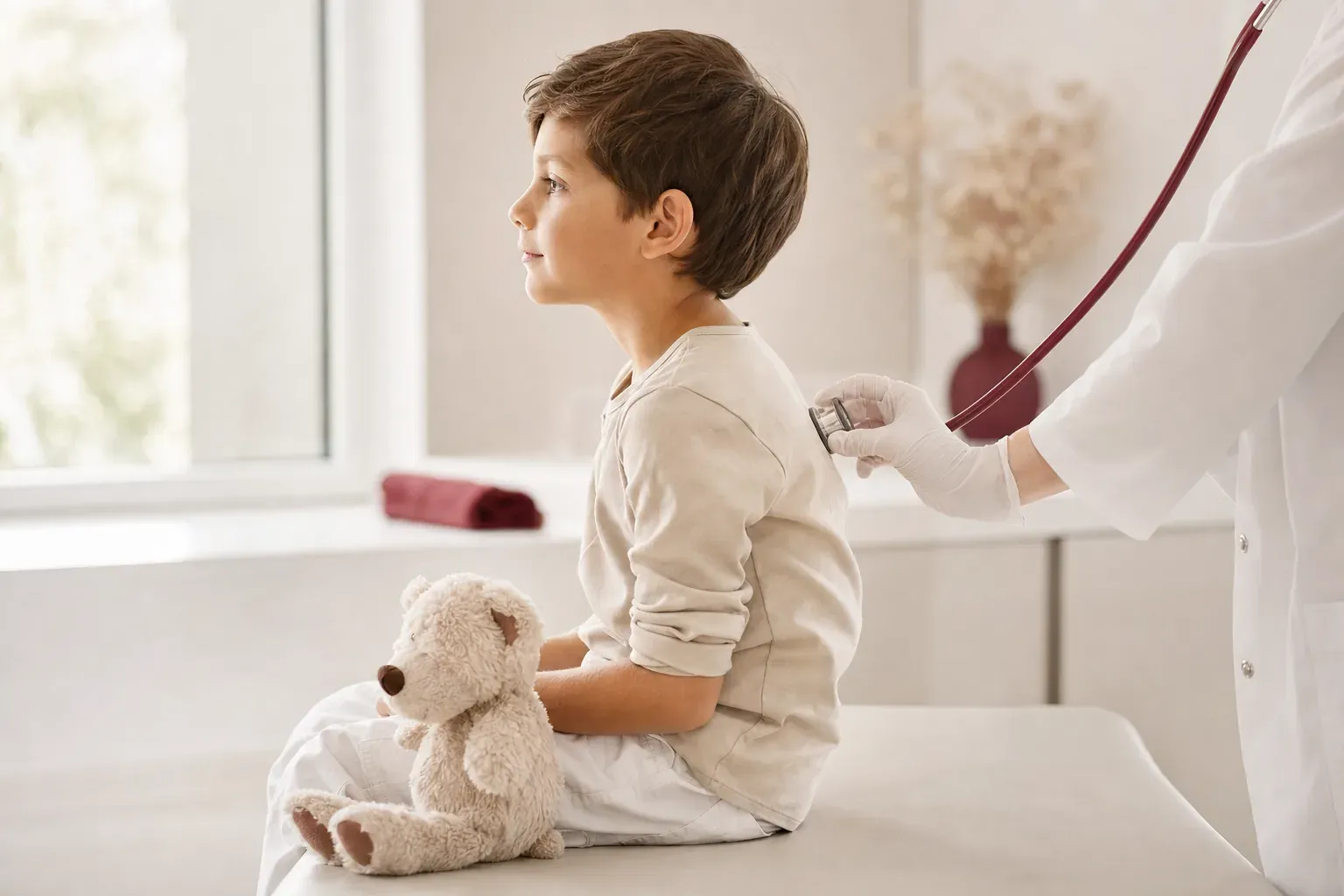
Cough in children: what to do and when to see a doctor
Most coughs in children come with a cold and usually clear up on their own within 3 to 4 weeks. Drinks, fresh humid air and rinsing the nose help, and the only cough medicine to give is one your pediatrician has recommended, at the dose for your child's age from the leaflet. If your child is struggling to breathe or breathing noisily, their lips turn blue, or they have choked on something and are struggling to breathe, call an ambulance on 103.
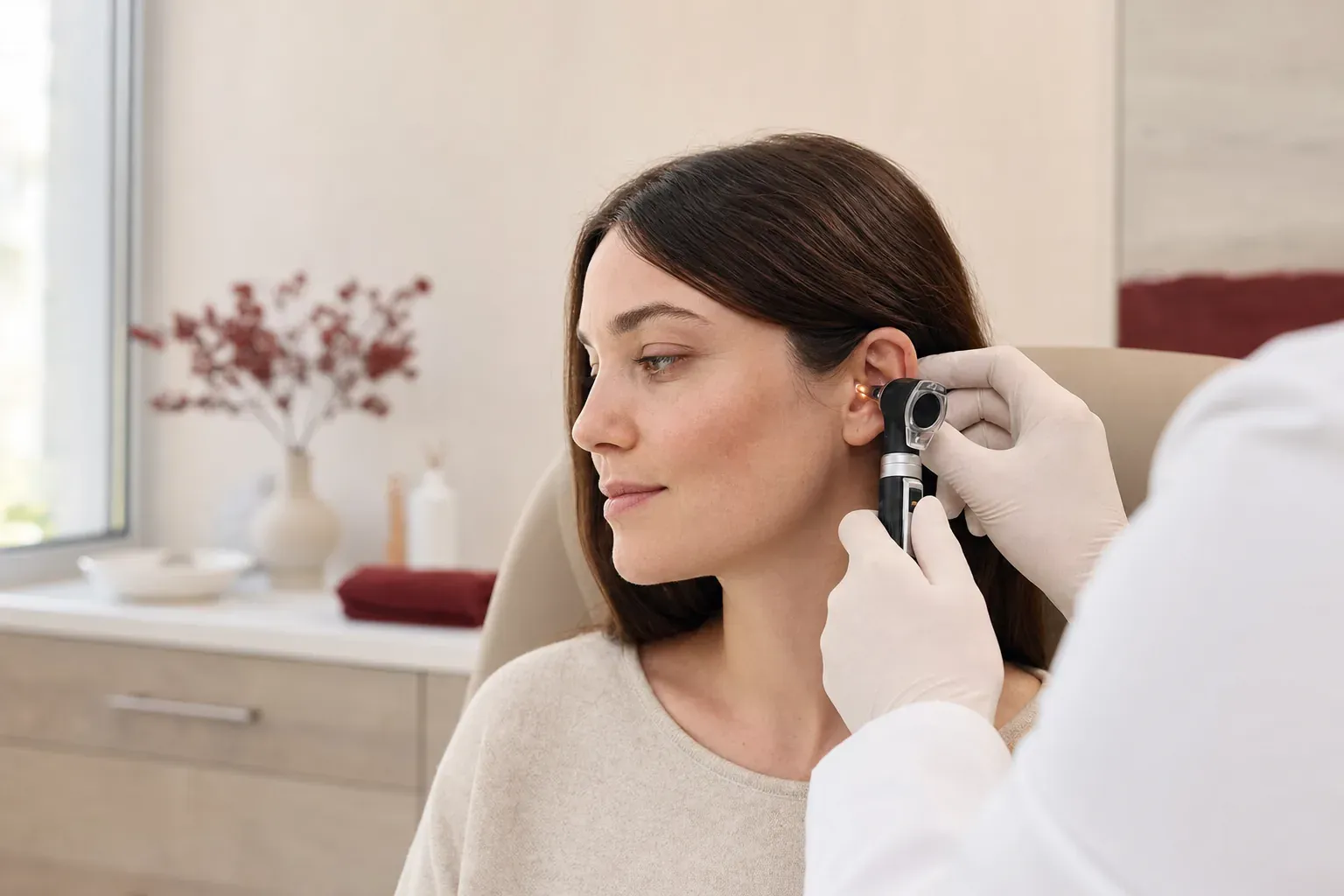
Ear infections: symptoms, treatment and what not to do at home
Otitis is inflammation of the ear. Otitis externa affects the skin of the ear canal, while otitis media develops behind the eardrum and most often starts after a cold. If your ear hurts, your hearing drops or fluid is coming out of your ear, see an ENT doctor and don't put anything in the ear before the exam.
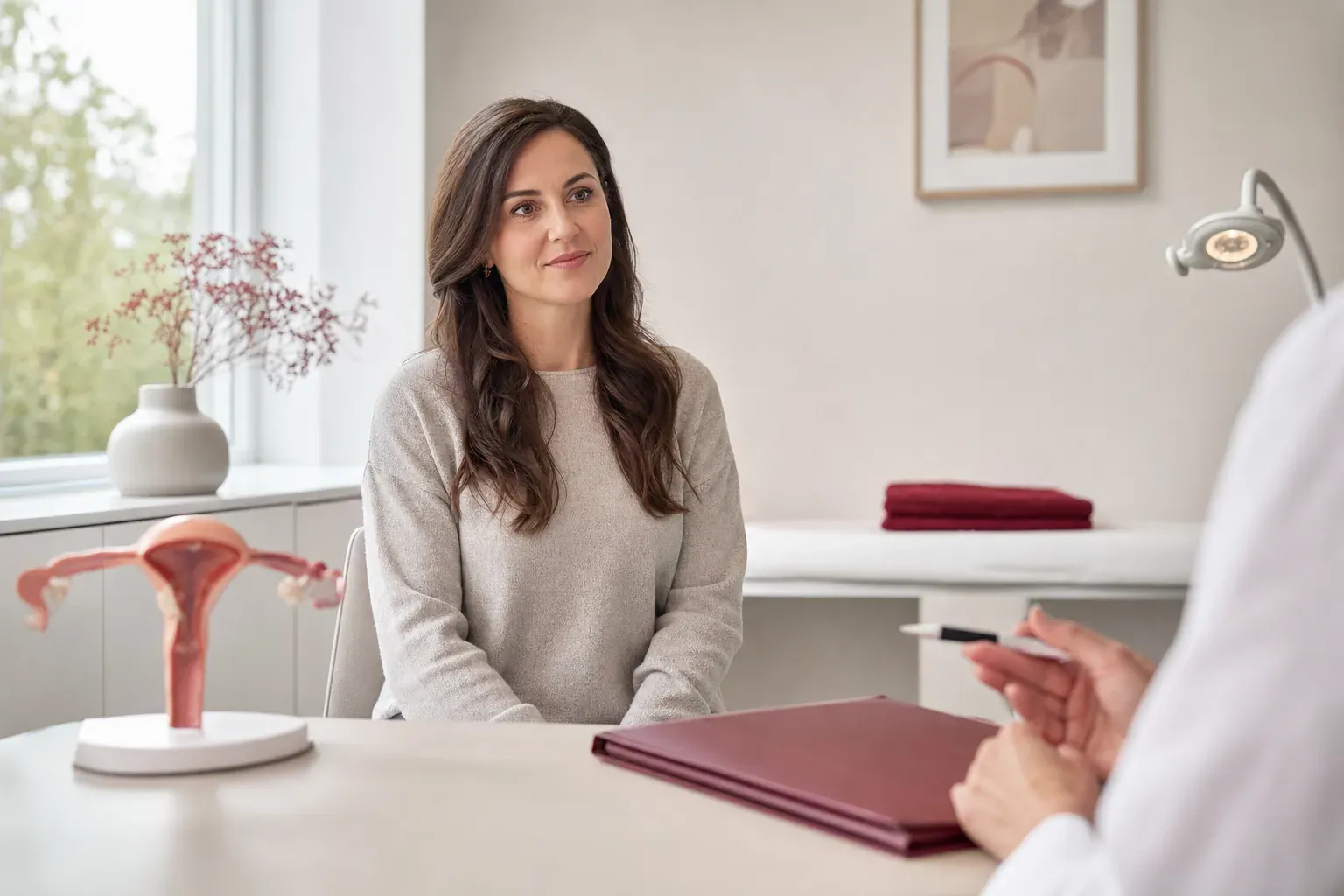
What a colposcopy is and how it is done
During a colposcopy, a gynecologist examines your cervix through a colposcope, an instrument with magnifying lenses and a bright light. The colposcope stands in front of the exam chair and is not inserted into the body, so it feels much like a routine pelvic exam. A colposcopy is done to take a closer look at changes found in a smear or on the cervix, and a biopsy can be taken during it if needed.
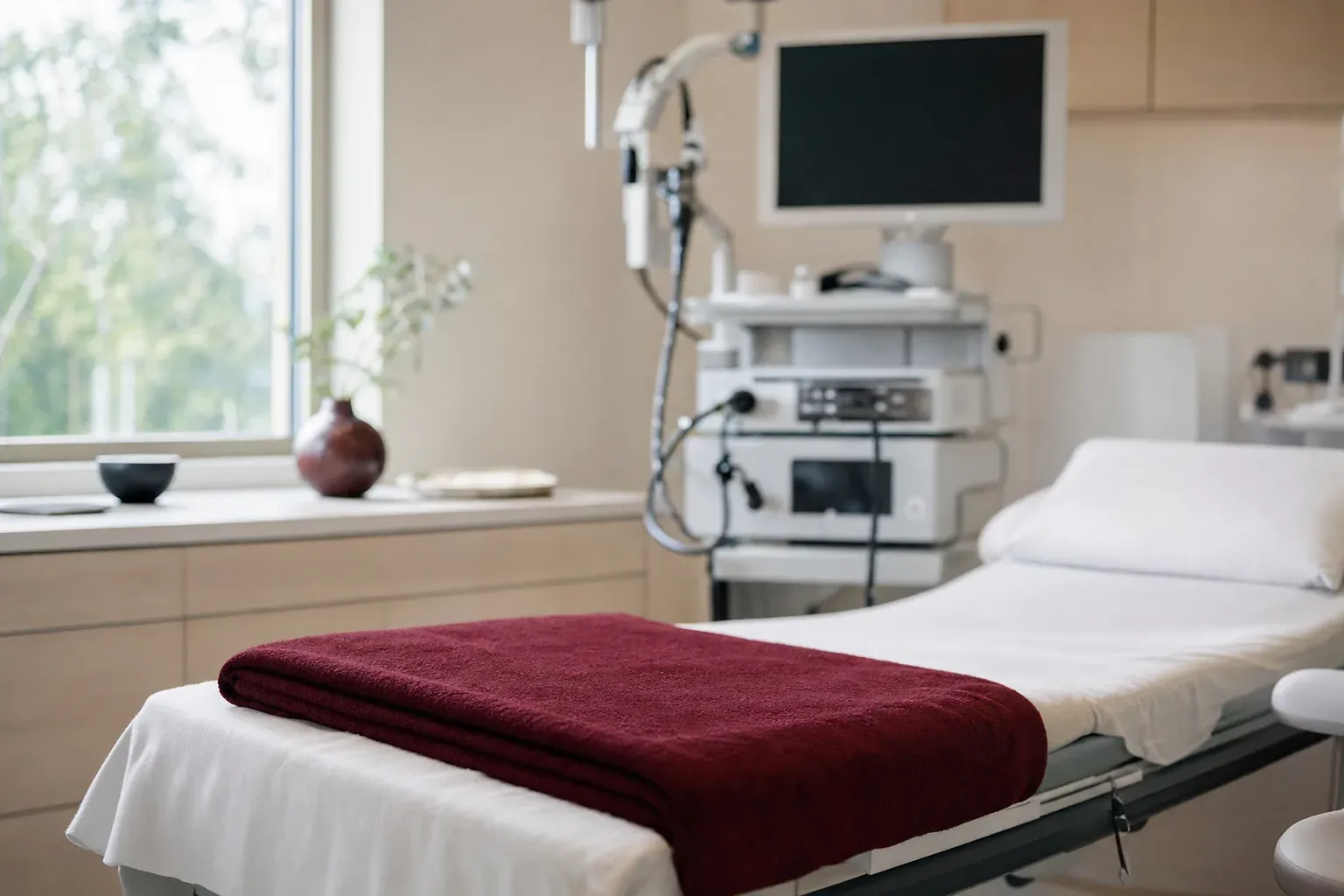
Colonoscopy: what it is, how to prepare and whether it hurts
During a colonoscopy, a doctor examines the inside of the large intestine with a thin, flexible tube that has a camera on the end. So that the doctor can see the whole lining, the bowel is cleared in advance: a few days before, you switch to low-fiber food, and the day before, you drink a bowel prep solution as your doctor instructs. Without anesthesia the test can be unpleasant, so you can have it under anesthesia.

How to prepare for an abdominal ultrasound
Come to an abdominal ultrasound on an empty stomach, usually after 6–8 hours without food, which is why the scan is easiest to schedule in the morning. You can drink a little plain water. If you often get bloated, cut out the foods that make it worse for 1–2 days before the scan.
What fibrocystic breast changes (mastopathy) are and whether they can be cured
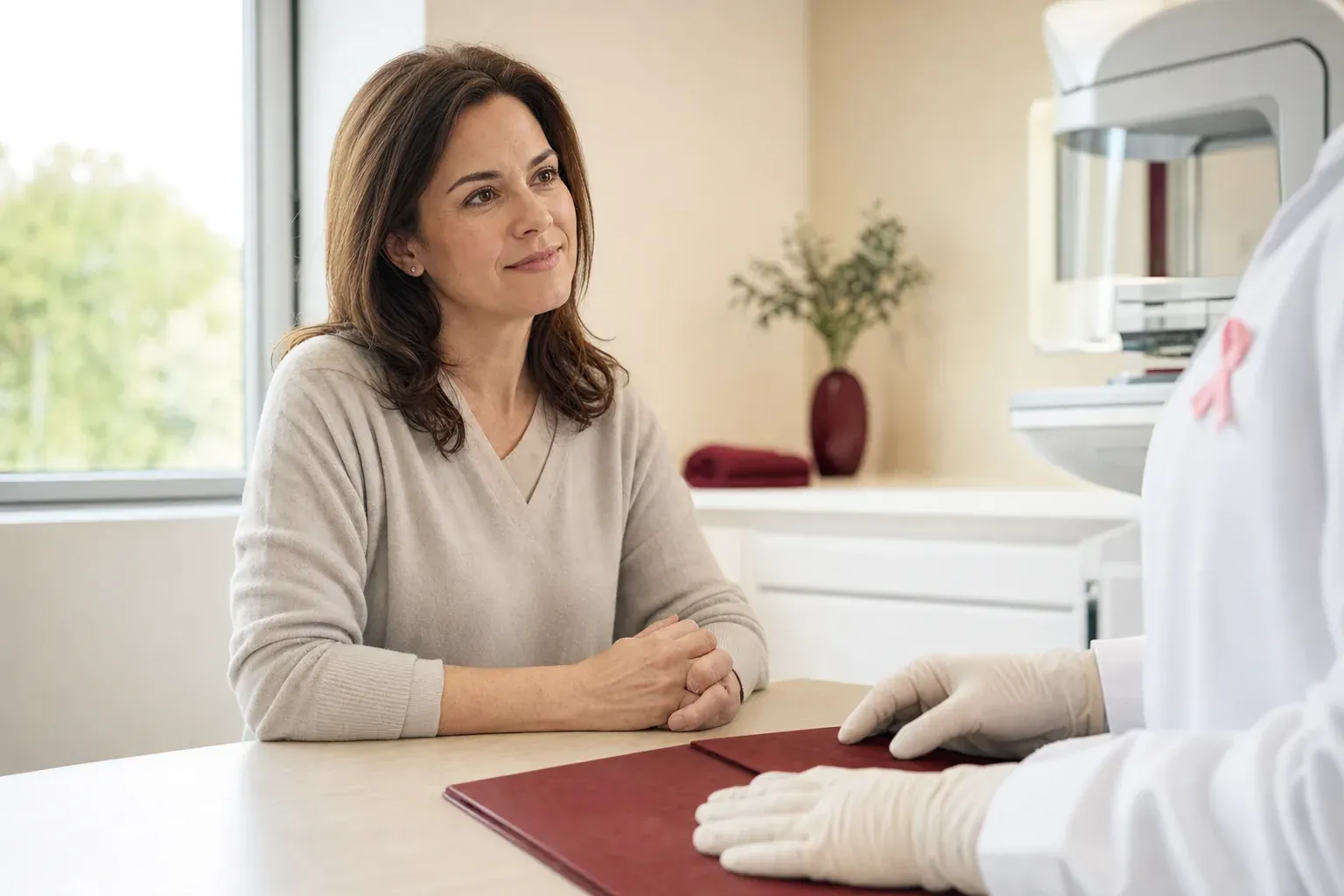
Fibrocystic breast changes, often called mastopathy in Ukraine, are benign changes in breast tissue: the breasts swell and hurt before a period, and lumps or cysts can be felt in them. They happen because breast tissue reacts to monthly hormone changes, and they are common in women of reproductive age. Show any new lump to a mammologist, a doctor who specializes in breast health, so they can rule out other causes.
Ophthalmologist or oculist: what this eye doctor treats
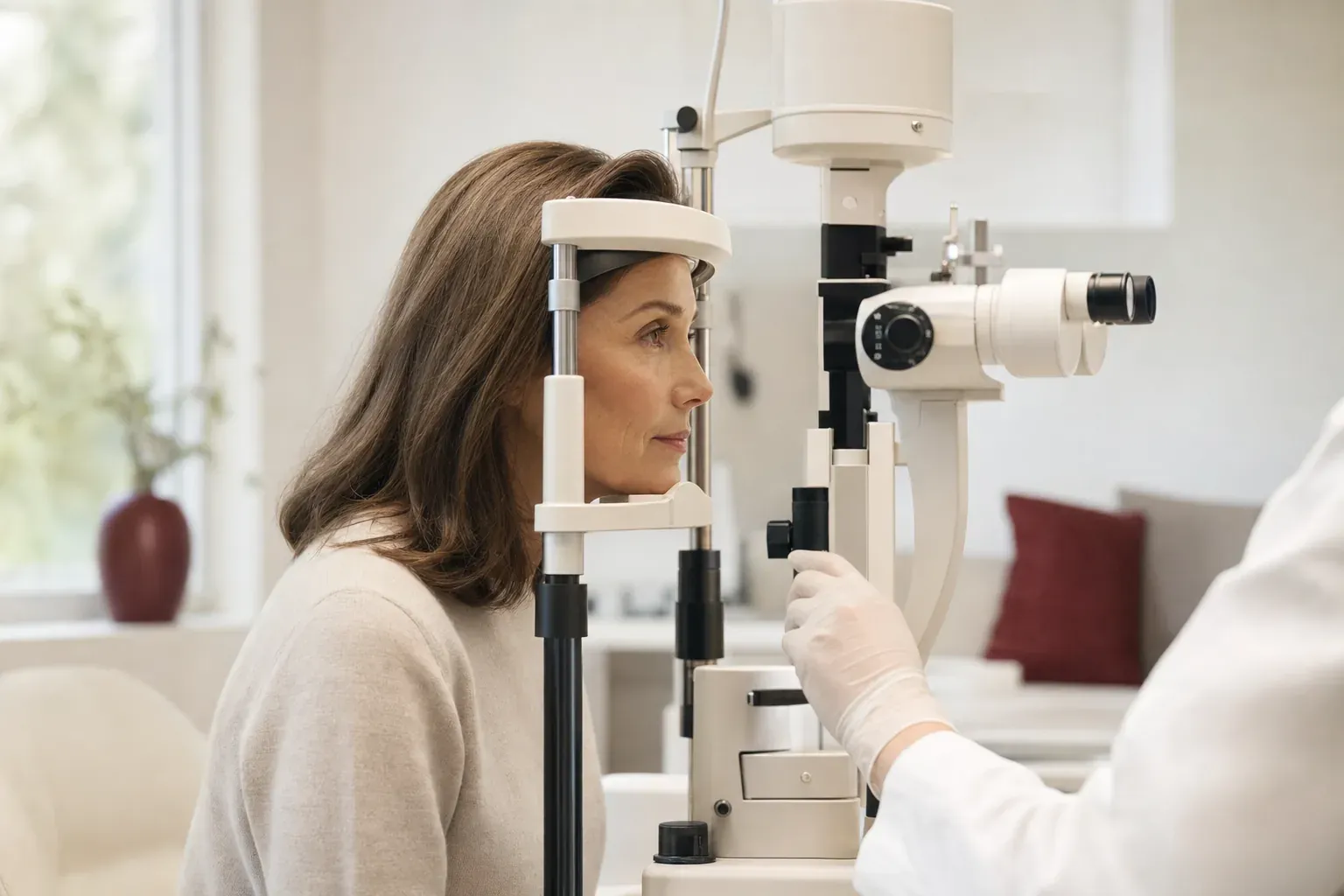
An oculist and an ophthalmologist are the same doctor. In Ukraine, people say okulist (oculist) in everyday speech, while the official name of the specialty is ophthalmology. This doctor checks your vision and eye pressure and diagnoses and treats diseases of the eyes and eyelids.
What lichen looks like on the skin and how it is treated
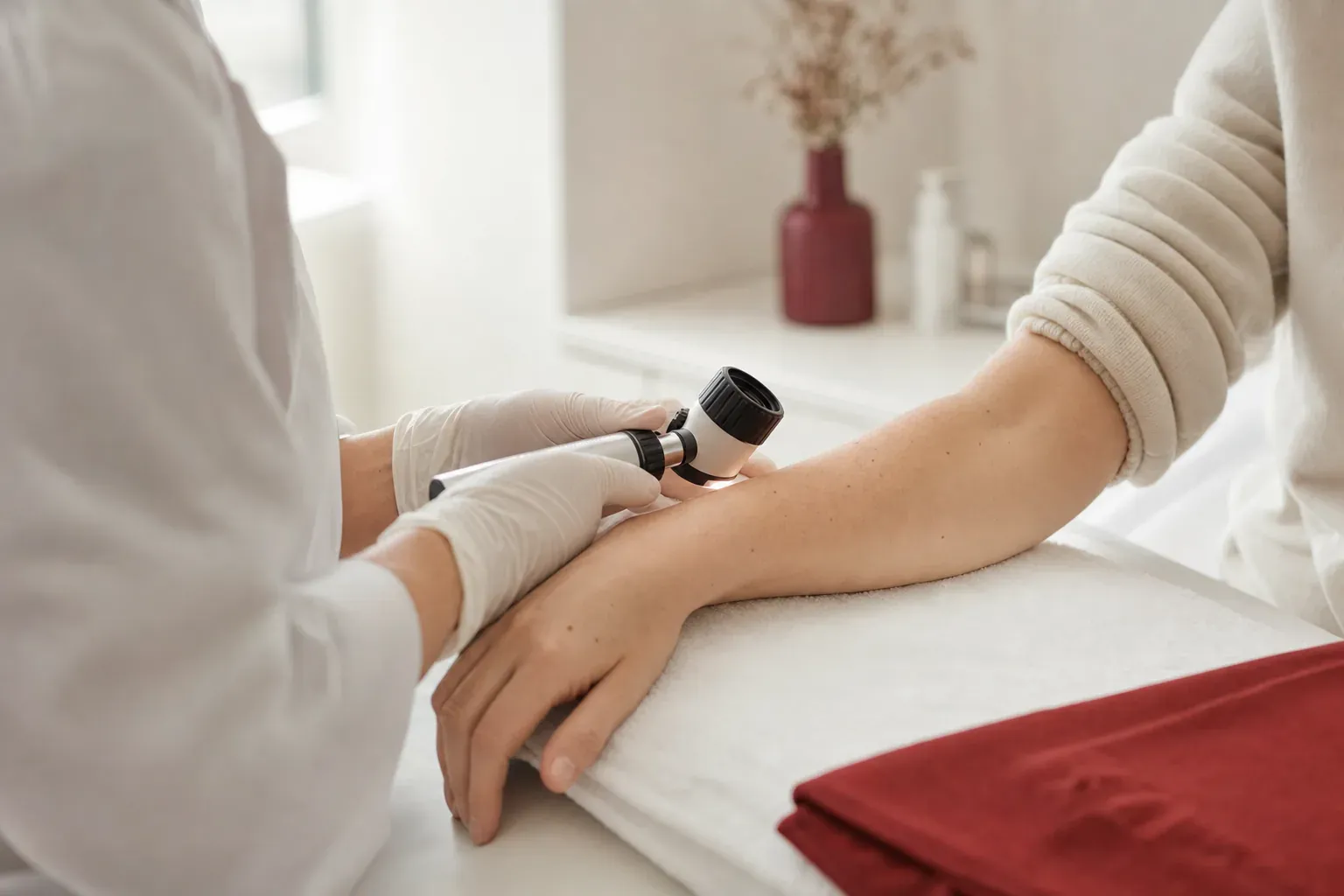
In Ukraine, people use the word lishai, usually translated as lichen, for several different skin conditions: fungal skin infections (ringworm), pityriasis versicolor, pityriasis rosea and shingles. They have different causes, so they need different medicines. Before putting anything on the patch, show it to a dermatologist, who will tell you which condition it is and how to treat it.

Cystitis: symptoms, tests and how it is treated
Cystitis is inflammation of the bladder, most often caused by bacteria. The typical signs are frequent, painful urges to urinate, a burning feeling when you urinate and pain in the lower abdomen. Treatment is prescribed by a doctor after a urine test, because an antibiotic left over from last time may not work on this bacterium and can make the urine culture result unreliable.

Traumatologist or orthopedist: who treats what and who to see
A traumatologist treats recent injuries: bruises, sprains, dislocations and fractures. An orthopedist deals with conditions and deformities of the bones, joints, spine and feet that develop gradually. In Ukraine this is a single medical specialty, so at Viva Clinic in Slavuta an orthopedic and trauma doctor sees you for both kinds of problems.

Fever in children: when to bring it down and when to call a doctor
Doctors usually call it a fever when a child's temperature is 38 °C (100.4 °F) or higher. Bring it down if the fever is making your child feel unwell, and only with a fever medicine your pediatrician has recommended, at the dose for your child's age given in the leaflet. Call an ambulance on 103 straight away if a baby under 3 months has a fever, or if your child has a rash that does not fade when pressed, struggles to breathe, is very drowsy or has a seizure.
Sinusitis: symptoms, treatment and when you need an ENT doctor
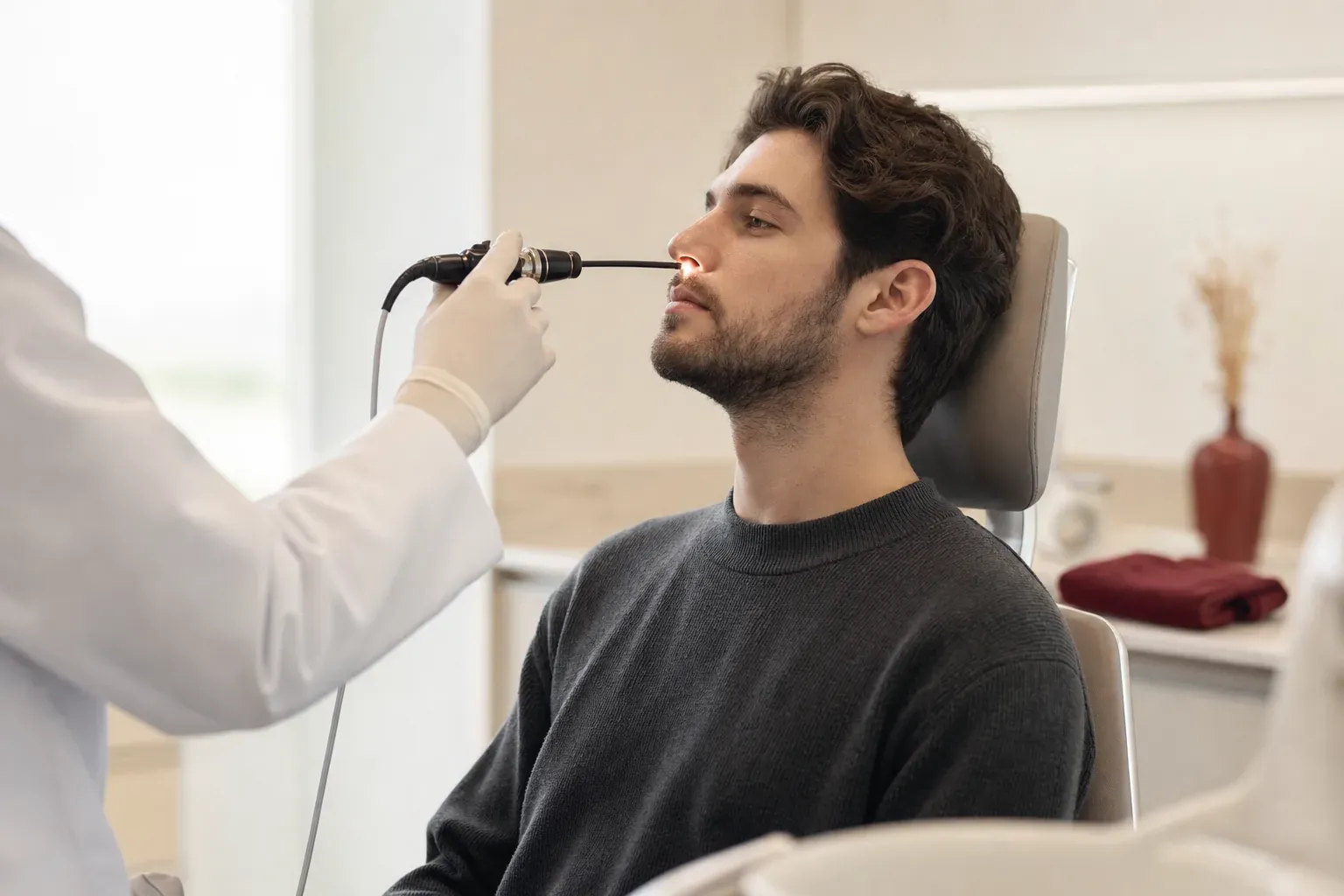
Maxillary sinusitis is inflammation of the maxillary sinus, the air space in the cheekbone under each eye. It most often starts with a cold and clears up along with it. If a blocked nose, pain under the eyes and thick discharge last longer than 10 days, get worse after improving, or come with a high fever from the start, see an ENT doctor.

How long periods last and what counts as a normal menstrual cycle
A period usually lasts 2 to 7 days. For adult women, doctors consider a cycle of about 24 to 38 days normal, counting from the first day of one period to the first day of the next. If bleeding lasts longer than a week, your periods are very heavy, you bleed between them or your cycle suddenly changes, see a gynecologist.

What gastritis is and how it is treated
Gastritis is inflammation of the stomach lining. It is most often caused by the bacterium Helicobacter pylori or by long-term use of anti-inflammatory painkillers, and less often by alcohol and other factors. Treatment depends on the cause, so the doctor first confirms the diagnosis with an exam, lab tests and, if needed, a gastroscopy.
Message or call us
Our administrators will help you choose a doctor and a convenient time.