What a family doctor declaration covers
A declaration entitles you to free care from your family doctor: checkups and treatment, lab tests and an ECG on referral, vaccinations, prescriptions, referrals to other doctors and sick leave. The state pays for all of it through the National Health Service of Ukraine (NSZU) under the Program of Medical Guarantees.

A declaration is your registration with a primary care doctor under the National Health Service of Ukraine (NSZU). Once you have one, NSZU pays for your primary care. What that care includes is set out in an official NSZU specification. Your doctor decides which tests and procedures you actually need.
Monitoring and treatment
- Your doctor keeps track of your health: examines you and orders lab tests and diagnostic tests in line with medical standards.
- Diagnoses and treats the most common illnesses, injuries and poisonings, as well as conditions during pregnancy.
- Looks after patients with chronic conditions: orders tests and treatment and checks on them regularly.
- Monitors pregnant women with a low perinatal risk and refers them to an OB-GYN if needed.
- Provides medical monitoring for healthy children.
Free lab tests and examinations
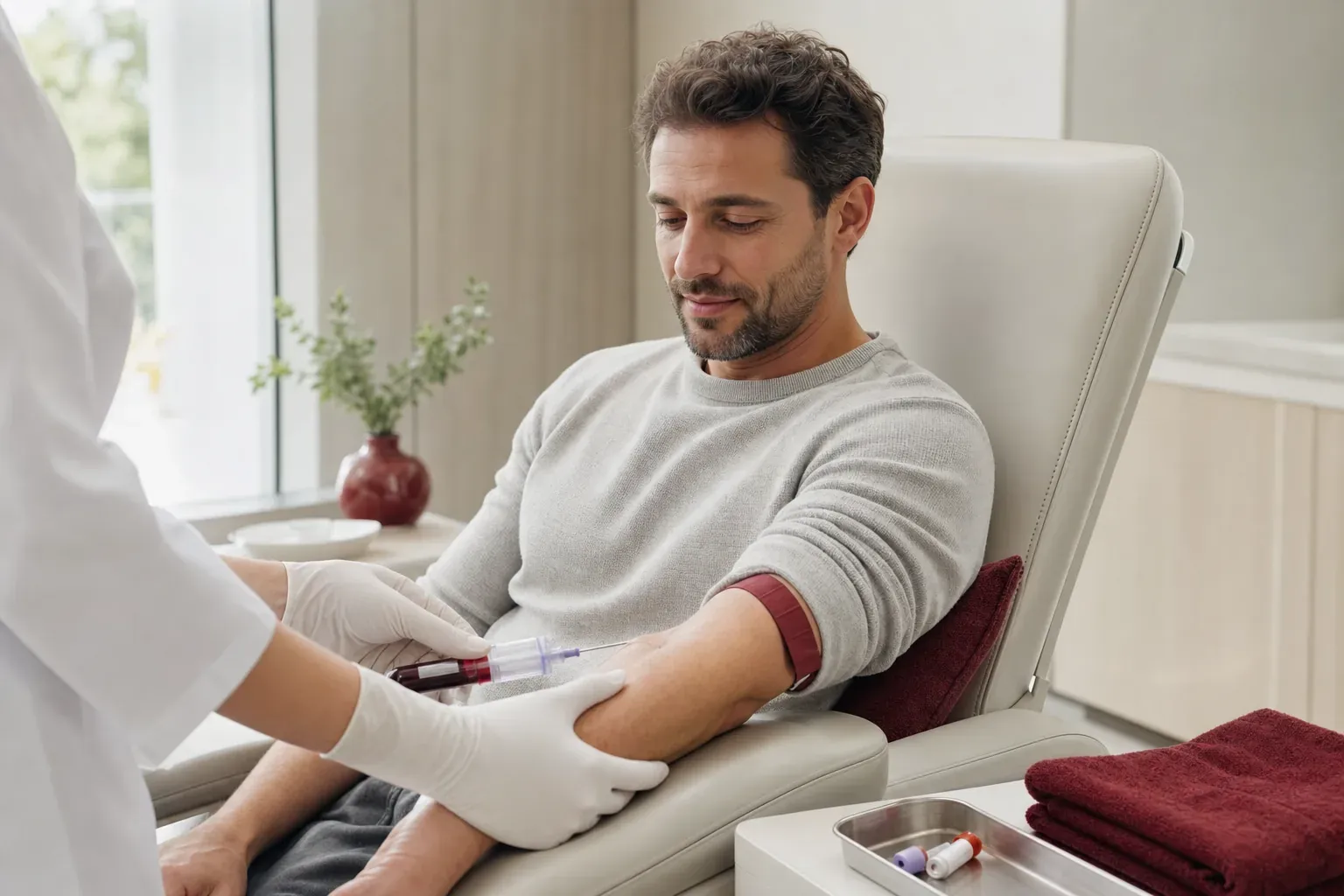
With a referral from your family doctor, these lab tests are free:
- complete blood count with differential;
- urinalysis;
- whole blood glucose;
- total cholesterol;
- rapid tests for pregnancy, troponin, HIV, hepatitis B, hepatitis C and SARS-CoV-2.
These diagnostic tests are free too:
- electrocardiogram (ECG);
- peak flow measurement;
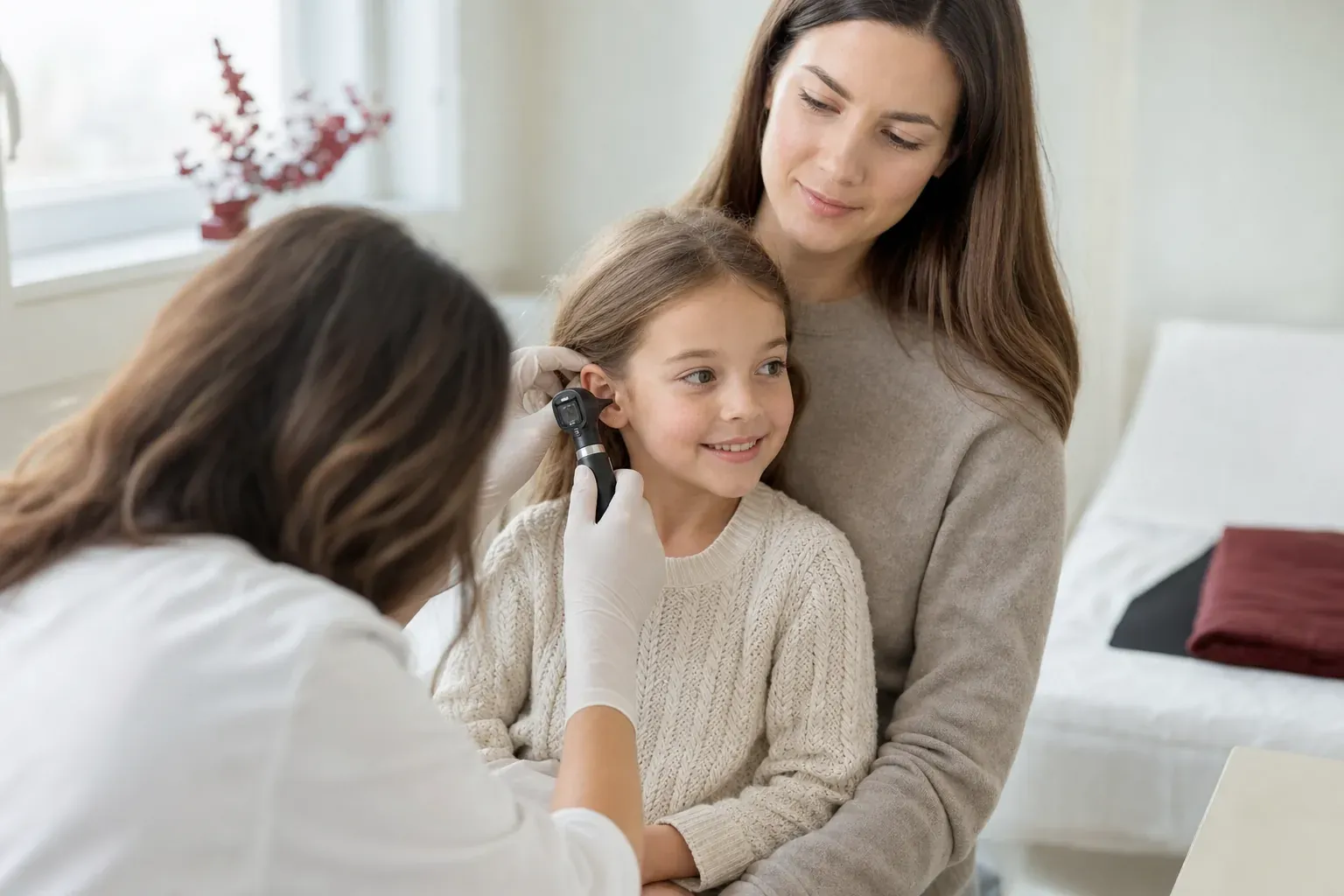
- otoscopy and ophthalmoscopy;
- tuning fork hearing tests;
- visual acuity testing.
Your doctor measures your blood pressure, oxygen saturation, weight and height during the checkup. At Viva Clinic, lab tests are done at our own Diagnost-Lab laboratory.
Ultrasound and consultations with specialists are not part of primary care. At Viva Clinic, gastroscopy and colonoscopy are free with an electronic referral from your family doctor under a separate contract with NSZU.
Prevention
- Assesses your risk of infectious and non-infectious diseases: overall cardiovascular risk, body mass index, waist circumference.
- Gives vaccinations according to the national immunization schedule.
- Advises on quitting smoking, cutting down on alcohol, moving more and eating a balanced diet.
- Works on prevention and early detection of socially significant diseases: tuberculosis (including latent TB infection), hepatitis and sexually transmitted infections.
- Examines people who have been in contact with someone with tuberculosis, refers them to a specialist in good time if needed and works with a TB specialist.
- Notifies the relevant authorities of infectious diseases, poisonings and unusual reactions to vaccines or medicines.
Mental health
Your primary care doctor helps spot the risk of mental and behavioral disorders early. They can treat common conditions such as depression or anxiety themselves and refer you to an adult or child psychiatrist when needed. If you suddenly feel unwell during an appointment, physically or emotionally, the doctor will give you urgent care.
Palliative care
For seriously ill adults and children, the family doctor:
- regularly assesses the patient’s condition and needs;
- assesses and treats pain, including prescribing opioid and psychotropic medicines as permitted by law;
- prescribes treatment for related symptoms such as constipation, nausea or shortness of breath;
- advises and trains the people caring for the patient;
- works with other institutions so the patient gets medical, psychological, social and other support.
Medicines, referrals and paperwork
- Prescribes medicines, medical devices and rehabilitation aids and completes the necessary paperwork.
- Issues e-prescriptions under the Affordable Medicines program, as well as prescriptions for subsidized medicines for certain groups of patients with specific conditions, as provided by law.
- Refers you to other facilities for tests, examinations and treatment that aren’t part of primary care.
- Calls an ambulance if a patient’s life is at risk and provides care until it arrives.
- Keeps medical records, including electronic ones, and issues medical certificates, sick leave certificates and death certificates.
To get this care at Viva Clinic in Slavuta, sign a declaration with one of our family doctors. For a step-by-step guide, read How to choose a family doctor.